Rabies Vaccine for Cats: Schedule, Side Effects, and Cost


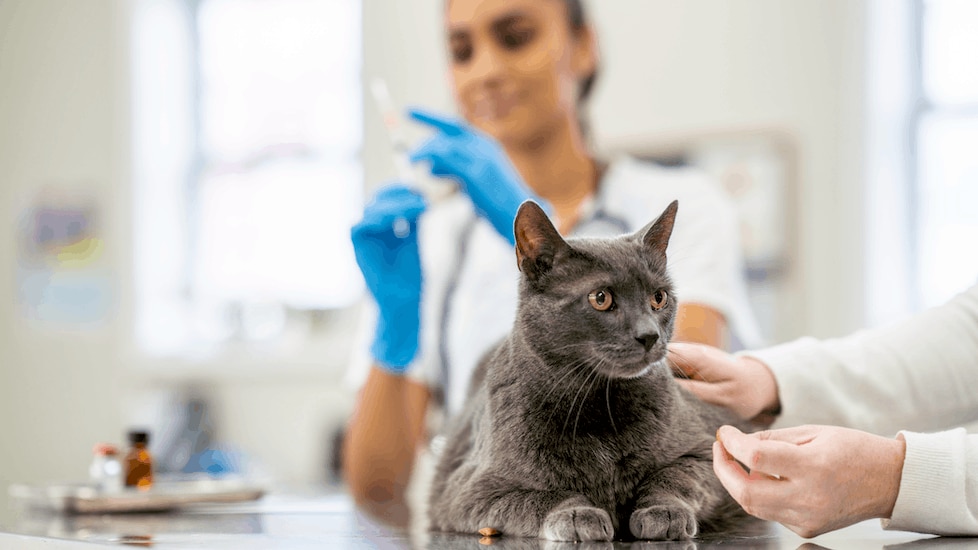
FatCamera/E+ via Getty Images
Rabies is a deadly viral disease most commonly found in wild animals such as raccoons, bats, skunks, and foxes. However, any mammal—including cats—can become infected if exposed.
Because rabies is almost always fatal once symptoms appear, vaccination is essential for protecting both pets and people. For this reason, rabies vaccination is required by law for cats in most states.
Both indoor and outdoor cats are at risk for rabies exposure. Here’s what you need to know about the rabies vaccine for cats, including the vaccination schedule, possible side effects, and typical cost
Download PetMD’s complete guide to the rabies vaccine for cats: Why Does My Cat Need a Rabies Vaccine? A Spanish version of the guide is also available.
Key Takeaways
- Rabies is a fatal viral disease, making vaccination essential for protecting both cats and humans.
- The rabies vaccine for cats is required by law in most areas, even for indoor cats.
- Cats typically receive their first rabies vaccine at around 12 weeks of age, followed by boosters based on the vaccine type.
- Side effects are rare and usually mild, and the benefits of vaccination far outweigh the risks.
How Is Rabies Transmitted?
Rabies is most commonly transmitted through the saliva of an infected animal.
The virus typically spreads when an infected animal bites another animal or person, allowing the virus in the saliva to enter the body through the wound.
Although uncommon, rabies can also be transmitted through non-bite exposures. This can occur when infected saliva comes into contact with open wounds, scratches, or abrasions.
Why Is the Rabies Vaccine for Cats So Important?
The rabies vaccine for cats is critical because rabies is a severe viral disease that is almost always fatal once symptoms appear.
In addition to the health risks, many states require strict legal measures if an unvaccinated pet is exposed to a potentially rabid animal. In some cases, this may include mandatory euthanasia.
This is because rabies cannot be definitively diagnosed in living animals. Confirming the disease requires testing brain tissue from specific areas of the brain, which can only be obtained after death.
For these reasons, most states and local governments in the United States legally require rabies vaccination for dogs and cats. Requirements vary by region, so consult your veterinarian or local health department for the specific laws and recommendations where you live.
Do Indoor Cats Need a Rabies Vaccine, Too?
Yes—indoor cats still need the rabies vaccine.
Many pet parents believe their cats are safe because they live exclusively indoors. However, even indoor cats can be exposed to rabies if they accidentally escape or if wildlife enters the home.
Bats are a common example. They can enter houses through chimneys, open windows, or attic spaces. Because bats trigger a cat’s hunting instinct, cats are very likely to chase or try to catch them. Raccoons and other wildlife may also occasionally access attics or indoor spaces.
How Often Do Cats Need to Get a Rabies Vaccine?
The rabies vaccine schedule for cats depends on the type of vaccine used and manufacturer guidelines.
Veterinarians must follow the vaccination schedule recommended by the vaccine manufacturer. Most cats receive their first rabies vaccine at around 12 weeks of age, followed by booster vaccinations at specific intervals.
One major difference between feline rabies vaccines is whether they are adjuvanted or non-adjuvanted.
Older rabies vaccines contained substances called adjuvants, which help stimulate a stronger immune response. While these vaccines were effective at preventing rabies, a small number of cats developed reactions at the injection site, including swelling or—more rarely—tumors at the vaccination site.
Because of this risk, many veterinarians now prefer non-adjuvanted rabies vaccines for cats.
Originally, the non-adjuvanted rabies vaccine was available only as a one-year vaccine, meaning cats required annual boosters after their initial vaccination.
More recently, a non-adjuvanted three-year rabies vaccine has become available. After the initial vaccine and first booster, this version only needs to be administered once every three years.
However, the three-year vaccine tends to be more expensive, so some veterinarians still use the annual non-adjuvanted vaccine depending on practice preference and local regulations.
What Are the Side Effects of Rabies Vaccines in Cats?
Side effects from the rabies vaccine in cats are uncommon and usually mild.
When reactions do occur, they may include:
- Mild fever
- Lethargy
- Decreased appetite
- Localized swelling at the injection site
These symptoms typically resolve within a few days without treatment.
In very rare cases, cats may develop an allergic reaction to the vaccine. Signs of an allergic reaction can include:
- Hives
- Facial swelling
- Itching
Severe reactions—such as weakness or collapse—are extremely uncommon. Allergic reactions are estimated to occur in fewer than 10 out of every 10,000 vaccinated cats.
If you notice unusual symptoms after your cat receives a vaccine, contact your veterinarian promptly.
How Much Does a Cat Rabies Vaccine Cost?
The cost of a rabies vaccine for cats varies depending on the type of vaccine used and where it is administered.
Non-adjuvanted vaccines are generally more expensive than adjuvanted vaccines, and the three-year vaccine typically costs more than the one-year vaccine.
Some veterinary practices choose to absorb the additional cost of non-adjuvanted vaccines because they consider them the preferred option for feline patients. Other clinics, especially those that vaccinate large numbers of cats, may need to pass the higher cost on to pet parents.
The price may also depend on where the vaccine is given. Rabies vaccines administered during a full veterinary office visit may cost more than those provided at community vaccine clinics.
As a general rule, lower-cost rabies vaccines are more likely to be adjuvanted vaccines.
If the choice is between receiving an inexpensive adjuvanted vaccine or skipping vaccination entirely, vaccination is always the better option. However, when available and affordable, many veterinarians prefer non-adjuvanted rabies vaccines for cats.
Regardless of which vaccine is used, rabies vaccination is essential for protecting both your cat and the people around them. Even indoor cats should stay current on their rabies vaccines.
Frequently Asked Questions About Rabies Vaccines in Cats
Do indoor cats really need a rabies vaccine?
Yes. Even indoor cats can be exposed to rabies if wildlife such as bats enters the home or if the cat accidentally escapes. Vaccination protects both your cat and people in the household.
At what age should a kitten get the rabies vaccine?
Kittens typically receive their first rabies vaccine at about 12 weeks of age, followed by booster vaccinations based on the type of vaccine used and local regulations.
How often do cats need rabies boosters?
Most cats receive either annual boosters or a three-year booster schedule, depending on the vaccine formulation and your local laws. Your veterinarian will recommend the appropriate schedule.
Is the rabies vaccine safe for cats?
Yes. Side effects are uncommon and usually mild, such as temporary lethargy or mild swelling at the injection site. Serious reactions are extremely rare.


