Do Cats Know When They’re Dying?
IN PARTNERSHIP WITH


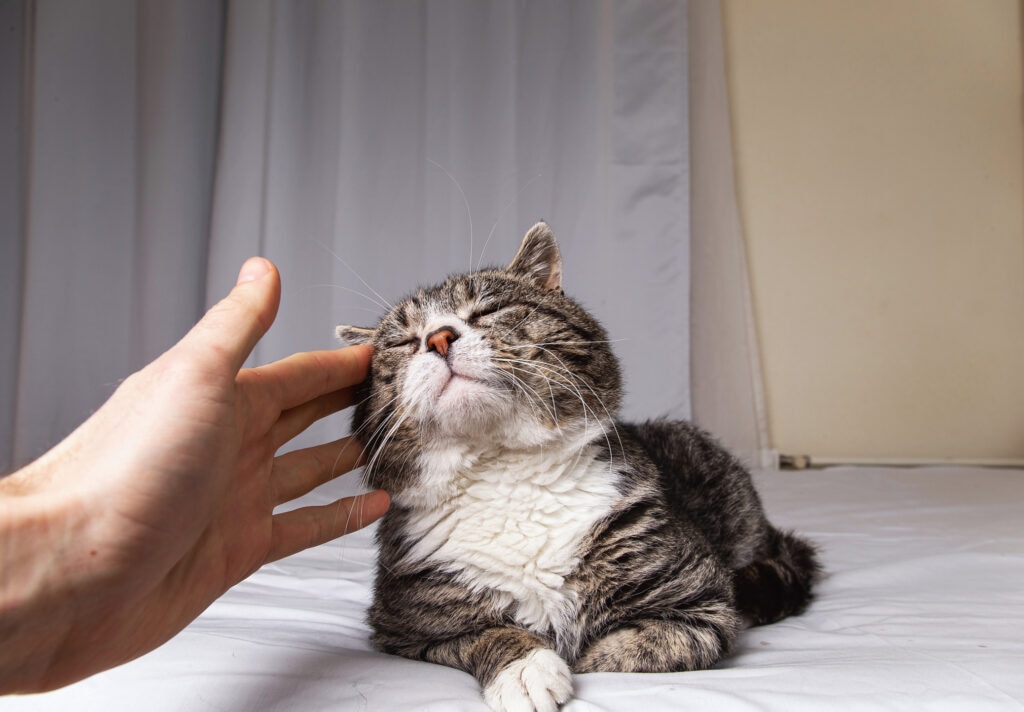
Aleksandr Zotov/iStock/Getty Images Plus via Getty Images
Cats communicate with us through body language, facial expressions, sounds, and behaviors—like tail movements, ear positions, purring, meowing, and gentle headbutts.
These cues teach us when it’s mealtime, playtime, lap time, “open the door to this room” time, and “leave me be” time.
Cat language also helps pet parents recognize when their cats are ill. So might cats know when their own end of life is near? And could they be telling us in some way?
Key Takeaways
- Cats likely do not understand death as a concept, but they do sense physical changes when they’re ill or uncomfortable.
- Behavioral shifts—like hiding, restlessness, appetite loss, or increased clinginess—often reflect how a cat feels physically.
- Cats may also detect illness or emotional changes in other animals and people through scent, body language, and shifts in household routine.
- Planning ahead with your veterinarian helps ensure your cat’s final days are peaceful and free from unnecessary suffering.
Can a Cat Sense Death?
Our feline friends can interpret our body language, vocal tones, certain words, and hand gestures.
Their sharp sight, hearing, and sense of smell—which help them hunt and avoid predators—likely alert them to activity and scent changes in animals and people who are ill or near death.
Cats also use their vomeronasal organ, a special scent processor that detects pheromones (chemical signals) from other animals, to gather information about their environment. This process is called the flehmen response.
It isn’t known or scientifically proven whether cats understand their own death as a concept, as most people do.
However, cats who are ill or injured experience changes in their physical abilities and comfort level, and they often show activity and behavior changes that correspond with how they feel.
Cats also thrive on routine and can be wary of change, so they likely sense when their pet parents are scared, stressed, sad, happy, or relaxed—and may respond accordingly.
How Do Cats Act When They’re Near Death?
As a cat’s illness or injury worsens and their end of life nears, their attitude, behaviors, and physical abilities may change. Cats may:
-
Have diminished or no interest in favorite activities (playing, treats, scratching posts, jumping or climbing to elevated perches, self-grooming)
-
Seek more lap time for comfort
-
Develop an overall thinner face, head, and body due to fat loss and muscle wasting
-
Be more thirsty or less thirsty than usual
-
Seem confused or restless
-
Wander or attempt to access places in the home or yard where they don’t usually go
-
Meow or purr more (purring doesn’t always indicate contentment—it can also signal discomfort)
-
Rest or hide in out-of-the-way places
-
Sit in a crouched, tense position with paws tucked under the body, tail wrapped close, and head tilted downward
-
Be weak, slow to rise, or stumble
-
Have seizures
-
Stretch out or paddle their legs
-
Have difficulty breathing
-
Stop blinking
-
Become unresponsive
Veterinary evaluation is essential, as cats may also show some of these signs when they have treatable conditions.
Making an End-of-Life Decision for Your Cat
Families can help make their cat’s last days as peaceful as possible by creating an end-of-life plan before an urgent situation arises. Whenever possible, plan ahead with your family and veterinarian well before you need to act.
Your veterinarian can explain the expected course of your cat’s condition, offer palliative and hospice care options, describe what may happen if your cat dies naturally, explain the euthanasia process, and discuss aftercare and memorial choices.
Pet parents often must decide for themselves when it’s time to say goodbye, and veterinarians help guide families by educating them on quality-of-life considerations.
Pet parents and those closest to the cat should agree on when and how to say goodbye—whether through humane euthanasia at home or in a veterinary clinic, or by allowing a natural passing. In all cases, the goal is to keep the cat comfortable and prevent suffering.
Feline quality-of-life assessments and additional resources from Lap of Love may help to make these decisions easier.
How To Comfort a Dying Cat
For pet parents, there’s never a good day to lose a pet. My hope is that whenever possible, cats have a good last day —one of rest, soothing voices, and loving interactions.
Whether you’ve chosen euthanasia for your cat in a veterinary clinic or at home, or if your cat experiences a natural passing, try to remain a calm presence.
Continue to relieve pain and anxiety-related discomfort, and provide a quiet, relaxing environment that can include:
-
A familiar bed
-
A soft blanket or favorite toy
-
Potty pads (in case your cat urinates or defecates during passing)
-
Gentle strokes
-
A comfortable room temperature
-
Soft lighting
-
Feline calming pheromones, which can help create a peaceful setting
-
Relaxing, low-volume music may also be helpful if it’s familiar to your cat
I encourage pet parents to softly reassure and talk to their cats when sedation is given before euthanasia, as the euthanasia medication is administered or as a natural passing occurs, and for a few minutes afterward.
Hearing may be the last sense to fade, and many cats seem comforted by familiar voices. Speaking words of love and gratitude for their cat can also help pet parents process the goodbye and ease lingering doubts or regrets.
Some pet parents can’t bear to be present during their cat’s euthanasia, and that’s OK. Sometimes work, travel, bad weather, or transportation challenges make being there impossible—and that’s OK too. If you’d like to be present but can’t, ask your veterinarian if video (such as FaceTime) or speaker phone participation is an option they offer.
In every circumstance, know that your veterinary team will provide gentle care and compassion as your cat moves through life’s final moments.
Lap of Love’s pet loss support resources can help pet parents cope with grief and continue to honor their cat’s life.
Do Cats Know When They’re Dying? FAQs
Do cats say goodbye before dying?
Cats likely don’t say goodbye in the way people with life-threatening illnesses may consciously do. Cats nearing the end of life who don’t feel well may become anxious or restless and seek more comfort and attention.
Conversely, many ailing cats prefer solitude and may hide in unusual places in the home or yard. Some cats appear to wander away from familiar spaces, possibly due to confusion from illness or age, or from an instinctive drive to conserve energy and avoid perceived threats.
Well-meaning people may say your cat will give you “The Look” when they’re ready to say goodbye. When people talk about this look they’re usually describing a moment when a cat’s expression feels intentional, almost likethey’re asking for permission to go.
But cats don’t have a built-in “I’m ready” signal. What families are often seeing are physical changes from illness, like muscle loss, pain, dehydration, or weakness. These are medical signs, not a goodbye glance.
Because cats hide discomfort so well, by the time their expression changes, they’re often already very unwell. It’s kinder to speak with your veterinarian and make a plan ahead of time, rather than waiting for that moment.
In my experience, waiting for such a moment often means a cat is already suffering. It’s far kinder to talk with your veterinarian and plan for how and when you’ll say goodbye before reaching that point.
What do cats do when they sense they are dying?
Cats likely don’t understand death as a concept, but like us, their biology is geared toward survival. Harmful or highly stressful situations may trigger fear, pain, or confusion. Cats may show signs ranging from subtle personality changes to clear distress, depending on the cause, severity, and duration of their illness or injury.
For example, cats of any age may collapse and die suddenly due to heart disease, blood clots, or severe injury. Senior or geriatric cats with chronic conditions may experience gradual physical and mental decline over days, weeks, months, or even longer.
What happens just before a cat dies?
Cats often completely stop eating and drinking, have difficulty staying warm, breathe with greater effort, and have abnormal heart rates and gum color. During euthanasia, cats are given a sedative first to promote comfort and relaxation before the final medication is administered to ensure a peaceful passing.
Do cats know if another cat is dying?
Cats appear to be capable of sensing illness, discomfort, and distress in other animals.
From my experiences at Lap of Love during in-home euthanasia visits, I’ve seen a wide range of responses. Some cats are attentive observers, some stay close to their ailing or deceased companion, and others appear unaware of what has occurred.
Cats who lose a human family member or animal companion may experience changes in routine and sense sadness in the household. Some cats seem to perk up at familiar sounds associated with their missing friend, linger in favorite shared spaces, or wait expectantly for the missing person or pet.


