Do Cats Blink? What a Cat’s Slow Blink Means


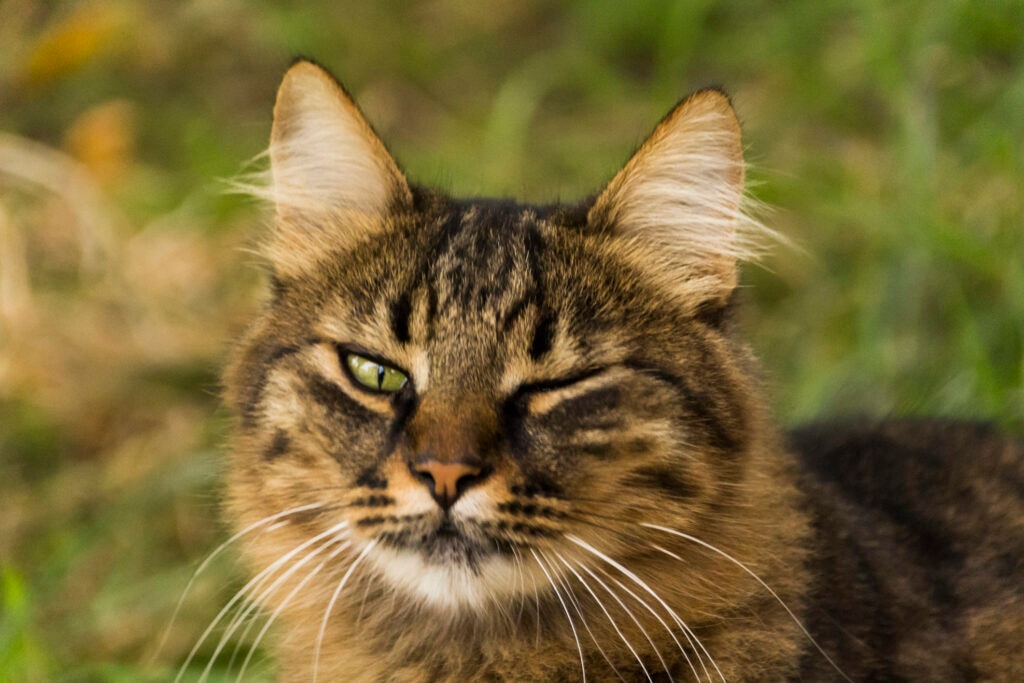
alkimsarac/iStock/Getty Images Plus via Getty Images
Cats do blink, although you may not notice your cat blinking as often as people do.
A normal blink helps keep your cat’s eyes comfortable and protected, while a slow blink is a relaxed behavior that your cat may use to communicate trust and contentment.
However, frequent blinking, squinting, or keeping one eye partly closed may signal an eye problem that calls for a veterinary visit.
Cats’ eye movements can communicate more than you might expect, so learning to recognize the difference between a relaxed blink and a concerning eye change can help you better understand your cat. Here’s what different types of blinking may mean—and when a blink could signal that something is wrong.
Key Takeaways
- Blinking helps protect and lubricate your cat’s eyes.
- Slow blinking often is a sign your cat feels comfortable, safe, and relaxed.
- Returning a slow blink can be a good way to communicate trust and connection with your cat.
- Frequent blinking, blinking one eye, or squinting can signal an eye problem that needs veterinary attention.
Do Cats Blink?
Yes, cats blink, but they typically don’t blink as often as people. Our feline friends have a protective third eyelid, called a nictitating membrane, that helps protect and lubricate (moisten) their eyes and may help explain why they blink less often.
Your cat’s blinking plays an important role in keeping their eyes healthy and comfortable. When they blink, the eyelids help spread tears across the eye’s surface. This keeps the cornea wet, removes small particles, and helps protect the eye from irritation. Blinking also protects your cat’s eye from potential threats such as dust or debris.
What Is a Cat Slow Blink?
A cat's slow blink is a relaxed, deliberate closing and opening of the eyes. While a regular blink helps keep the eye moist and protected, a slow blink is typically considered a form of feline communication that shows relaxation and positive social interaction.
Cats may slow blink at people or other pets when they feel comfortable, safe, and at ease. They can slow blink during a friendly interaction or to communicate that they aren’t feeling threatened. You may notice your cat slow blinking while sitting near you, resting comfortably, or looking at you from across the room.
Should you slow blink back? Yes!
If your cat slow blinks at you, slowly close your eyes, pause briefly, and open them again.
While there is no need to force the interaction, returning the gesture can be a gentle way to communicate that you are relaxed and comfortable, too, and build a positive connection with your cat.
When Is Blinking a Sign of an Eye Problem?
Normal blinking keeps your cat’s eyes healthy, but frequent blinking, squinting, or repeatedly closing an eye can show discomfort or an eye issue. Signs that may mean your cat has an eye problem include:
- Excessive blinking: Blinking more than usual may be a sign of irritation, pain, or something affecting the surface of the eye or surrounding tissues.
- One -eye blinking or squinting: Repeatedly closing or squinting one eye can be a sign of localized discomfort.
- Redness: Redness around your cat’s eye could show irritation or inflammation (swelling).
- Swelling: Swelling around the eye, especially if the eye is swollen shut, means there is a problem.
- Eye discharge: Eye discharge—such as excessive tearing or yellow, white, or green material—can be from an eye infection or other concerning condition.
- Cloudiness: A cloudy or hazy appearance to the normally clear surface of the eye can be a sign of a problem that needs veterinary attention.
- Pawing or rubbing at the eye: If your cat repeatedly paws or rubs at their eye, they may have eye pain or irritation.
Eye problems can worsen quickly, and quick treatment is needed to help protect your cat’s vision. Reach out to your veterinarian as soon as possible if you notice any of these signs.
When Should You Call Your Veterinarian?
A slow blink from a relaxed cat is nothing to worry about, but new or persistent changes in your cat’s blinking deserve attention.
If your cat often blinks, squints, keeps one eye closed, or shows other signs of eye discomfort, schedule a veterinary exam. Eye problems can be caused by many issues, and some conditions can worsen if not treated quickly.
Contact your veterinarian if you notice:
- Frequent or excessive blinking
- Squinting or keeping one eye closed
- Redness, swelling, or inflammation around the eye
- Eye discharge
- Cloudiness or a change in the eye’s appearance
- Pawing or rubbing at the eye
- Sensitivity to light
- A sudden change in your cat’s vision (like bumping into furniture or walls, difficulty finding food, or increased startle response)
What Can Cause Abnormal Blinking?
Abnormal blinking can happen when your cat’s eye is irritated or painful. Common causes include conjunctivitis, corneal scratches or ulcers, foreign material in the eye, allergies, and inflammation.
Paying attention to your cat’s eyes can give you useful information about their well-being. Slow blinking is generally a sign of comfort and trust, while frequent blinking, squinting, discharge, redness, or vision changes may show an eye problem.
Knowing what is normal for your cat can help you appreciate their unique way of communicating and recognize when a veterinary exam is needed.
Do Cats Blink FAQs
Do cats blink as much as humans?
No. Cats don’t usually blink as often as humans because they have a third eyelid, which helps lubricate and protect their cornea.
Why does my cat stare without blinking?
A cat may stare without blinking when they’re alert, curious, or focused on something that has their attention. A fixed gaze often means your cat is interested in something in their environment.
Is a cat’s slow blink a sign of affection?
Your cat’s slow blink can be a sign of affection and trust, particularly when directed at a person or another pet. A slow blink is their way to communicate that they feel safe and at ease.
Why is my cat blinking one eye?
Blinking one eye typically shows pain or irritation and should be checked by a veterinarian.


