Cancer in Rabbits: Symptoms and Causes


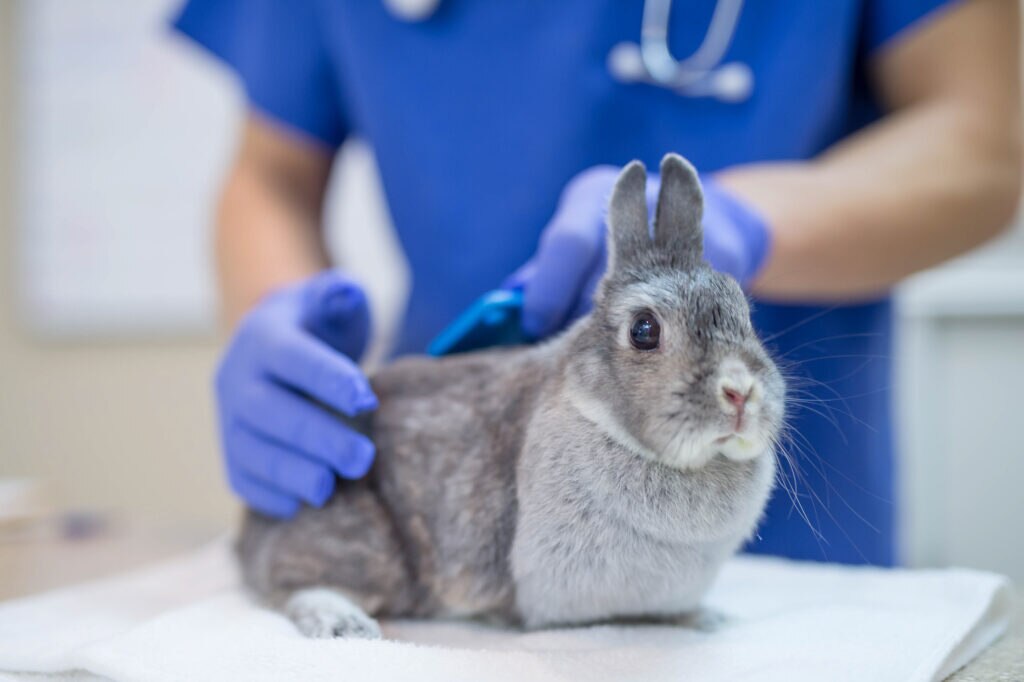
FatCamera/E+ via Getty Images
Domestic rabbits, which are descendants of the wild European rabbit, started gaining popularity as companion animals in the late 1800s. As of 2024, an estimated 1 million U.S. households had a pet rabbit. Despite this, information about rabbitdiseases, including cancer in rabbits, is less widely available than information about diseases in other companion animals, such as cats and dogs.
Key Takeaways
- Cancer in rabbits occurs when abnormal cells grow uncontrollably, forming tumors that can be benign or malignant and often require urgent veterinary care.
- Common types include uterine, mammary, and lymphatic cancers, with symptoms like weight loss, lethargy, and appetite changes varying by tumor type.
- Early detection and prevention—especially spaying of female rabbits—can significantly reduce cancer risk and improve outcomes.
What Is Cancer in Rabbits?
Cancer in rabbits occurs when abnormal cells in their body grow and divide uncontrollably, resulting in a tumor. Tumors can be benign (non-cancerous) or malignant (cancerous). Cancer should be considered a medical emergency becausemanagement requires urgent veterinary intervention.
Types of Cancer in Rabbits
The most common types of cancer in domestic rabbits include:
-
Uterine adenocarcinoma: This type of cancer arises from cells lining the inside of the uterus.
-
Mammary adenocarcinoma: These cancerous tumors develop in the mammary glands.
-
Lymphoma: This systemic cancer originates from white blood cells called lymphocytes.
-
Thymoma: This type of tumor arises from the thymus, a structure in the chest cavity that has immune functions.
Additional cancer types, such as testicular cancer and osteosarcoma (bone cancer), are possible but occur much less frequently.
Symptoms of Cancer in Rabbits
Symptoms of cancer in rabbits vary depending on cancer type.
General symptoms of most cancers in rabbits, including lymphoma, include:
-
Lethargy
-
Weight loss
Symptoms of uterine adenocarcinoma include:
-
Bloody vaginal discharge
-
Blood in the urine
-
Swollen abdomen
Symptoms of mammary adenocarcinoma include:
-
Discharge from mammary glands
-
Mammary gland cysts (cystic mastitis)
Symptoms of thymoma include:
-
Bulging of the eyes
-
Swelling of the head, neck, or front legs
-
Rapid breathing
-
Shortness of breath
Cause of Cancer in Rabbits
Cancer rarely has a single cause, and typically has a mix of contributing factors.
Cancer risk varies between male and female rabbits due to the cancer types associated with their reproductive organs. For example, up to 80% of unspayed female rabbits 5 years and older will develop uterine cancer, a disease that does not affect males.
Cancer risk increases with age in rabbits. A study of 93 tissue biopsies collected from pet rabbits revealed that those at least five years old were 3.85 times more likely to have reproductive tumors than younger rabbits. However, certain types of cancer, such as lymphoma, are also known to occur in young bunnies.
There are more than 200 domestic rabbit breeds. Anecdotal data suggest that Dutch breeds may be more predisposed to uterine cancer, while Belgian and English breeds appear more likely to be diagnosed with mammary cancer.
Exposure to certain viruses, such as the Shope papilloma virus (also called cottontail rabbit papilloma virus [CRPV]), is also known to cause malignant tumors in pet rabbits, particularly in Europe and Australia.
How Veterinarians Diagnose Cancer in Rabbits
Your rabbit’s veterinarian will start with a physical exam. They may also recommend a series of tests based on their findings to rule out certain conditions and home in on an accurate diagnosis. Tests they may recommend include:
-
Blood tests and urinalysis: These basic tests are performed to assess your rabbit’s overall health and can be useful in diagnosing certain cancer types.
-
Imaging tests: X-rays or ultrasound are most used, and can provide valuable information about a tumor’s location, size, and stage. More advanced imaging techniques, such as computed tomography (CT) or magnetic resonance imaging (MRI),may be ordered to further evaluate masses in your rabbit’s body.
-
Biomarker analysis: Substances produced in the body associated with certain tumor types, called biomarkers, may be analyzed, but this is not routine.
-
Biopsy: A definitive diagnosis will require examination of cancerous cells or tissue under a microscope. Fine needle aspiration (FNA) is most common and uses suction to extract abnormal cells from a tumor mass for examination. Cancerous tissue can also be examined after a tumor is surgically removed.
It's helpful to provide the veterinarian with your rabbit’s medical history and a detailed account of symptoms you’ve noticed.
Treatment of Cancer in Rabbits
Treatment options for your rabbit will depend on the tumor’s location, size, and type, and whether it has invaded nearby tissue or spread elsewhere in the body. Your vet will consider your rabbit’s overall health and veterinary history.
Surgery is the most common treatment for cancer in rabbits. Complete removal of the tumor is ideal but may be difficult depending on its location and size. In addition to conventional surgical techniques, laser surgery or electrosurgery may be used. Destroying small superficial tumors using cryotherapy may also be advised. Post-surgical prognosis is typically good if no additional tumors are present.
Chemotherapy may be prescribed when surgery is not an option or as a complement to surgical intervention. There is little information on the efficacy of chemotherapy in rabbits, although some studies suggest that it may be successful in treatinglymphoma. Rabbits typically handle chemotherapy well, but side effects can include stomach upset and lack of appetite.
Radiation may be an option for some cancer types, such as thymoma, lymphoma, and myeloma (a type of blood cancer originating in the bone marrow). Side effects include hair loss, skin irritation, swelling, and heart failure in rare cases.
Cancer treatment options for rabbits are limited, and the presence of secondary tumors negatively affects your rabbit’s prognosis. In such cases, your veterinarian may suggest palliative care to keep your rabbit comfortable. When your rabbit’s quality of life declines, they may recommend euthanasia.
Recovery and Management of Cancer in Rabbits
Pain management will be vital in keeping your rabbit comfortable during and after treatment. Keep a close eye on your rabbit’s food and water intake as well as their fecal output. A quiet, comfortable space for your pet will be ideal.
Regardless of treatment, your rabbit will need consistent monitoring and veterinary check-ups for at least several months.
The prognosis for a tumor that cannot be fully removed via surgery is often unfavorable. Life expectancy for such rabbits will vary depending on the type of cancer and its characteristics. For example, uterine cancer is typically slow growing, and rabbits can live with the disease for months or even years.
There are several items that can help your rabbit feel more comfortable as they recover from treatment or are undergoing palliative care:
-
A soft-sided pet carrier to transport your rabbit to and from veterinary appointments
-
A playpen to separate your rabbit from other companion animals while they recover
-
A rabbit-safe cleaner (like Nature’s Miracle) for surfaces that may need extra attention to ensure a clean environment
Prevention of Cancer in Rabbits
Regular gentle at-home exams and exotic animal veterinary care can help catch cancer early.
Any observed symptoms should be taken seriously. In many cases, rabbit parents don’t notice symptoms until the cancer is advanced and their pet’s quality of life is compromised.
Spaying is essential to prevent uterine cancer. Veterinarians suggest spaying before two years of age, but female rabbits can be spayed at any time.
Malignant tumors resulting from exposure to Shope papillomavirus can be limited by housing pet rabbits indoors.
Chronic inflammation that causes additive stress on the body may promote cancerous tumor growth. Feeding your rabbit a high-quality diet, keeping them at a healthy weight, and reducing external stress can help counteract inflammation.
Cancer in Rabbits FAQs
How long can a rabbit live with cancer?
The lifespan for a rabbit with cancer depends on the cancer type, the tumor’s size and location, and whether the cancer has invaded or spread to other parts of the body. Late-stage or aggressive cancer types may result in an estimated life expectancy of only days, while rabbits diagnosed early or with non-aggressive cancer types can live for months or even years.


