Why Do Horses Yawn? Common Causes and When To Worry

ROMAOSLO/E+ via Getty Images
You might think your horse is tired after your ride when he yawns hugely and dramatically. But your horse yawning during grooming, bridling, or after a ride doesn’t always mean he’s sleepy, or even bored. A horse can yawn during calm moments or stressful ones.
So what gives? This article will explain common reasons horses yawn, what’s normal, what’s not, and when to call the veterinarian.
Key Takeaways
- Horses yawn for multiple reasons, including relaxation, stress, and possible discomfort.
- Context matters: when the yawn happens (tacking up, training, resting) can help explain the “why.”
- Occasional yawning is often normal, but frequent yawning plus other signs may signal pain or illness.
- Track patterns and other symptoms, and contact your veterinarian if yawning seems excessive or “off.”
What Is a Yawn in Horses?
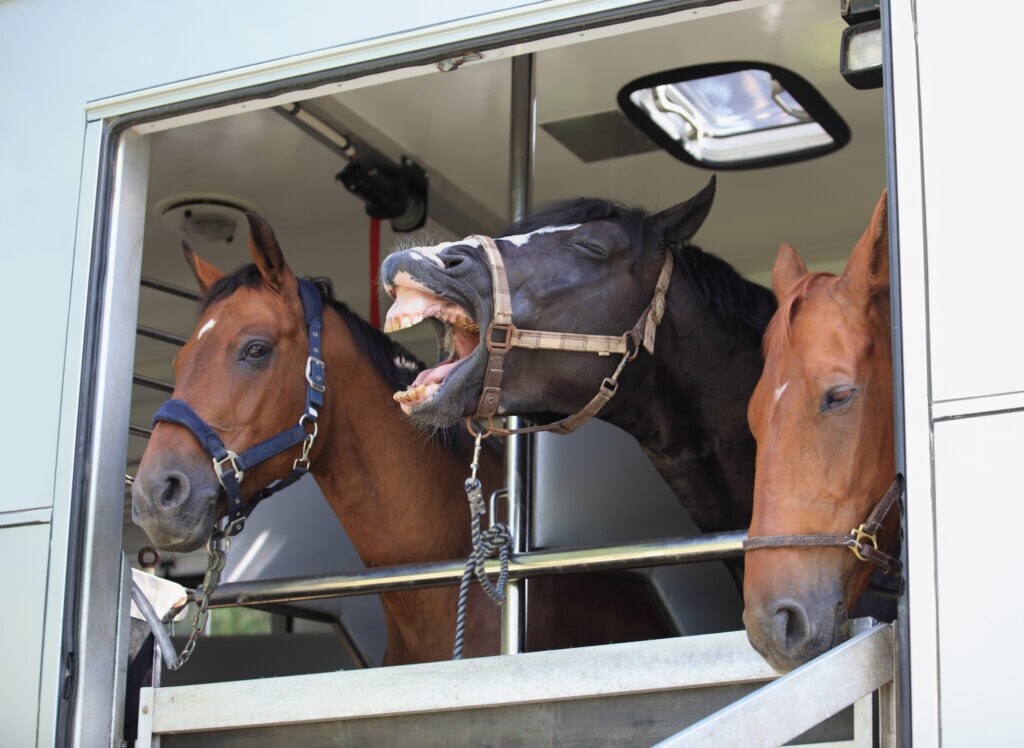
A horse’s yawn is a bit funny-looking: they open their mouth wide, stretching their jaw around, sometimes sticking their tongue out, and their eyes can roll a bit.
Yawning is a normal behavior seen in many species. But unlike humans, horses don’t inhale through their mouths, even when yawning. It is just a wide opening of the mouth.
The Basics: What a Horse Yawn Might Do
A horse’s yawn could mean several things:
-
Boredom
-
Relaxation or submission
-
Pain
-
Stress management
Research on horse yawning is ongoing, and no single explanation of a yawn fits every horse, every time.
Common Reasons Horses Yawn
Studies have shown that horses yawn much less than some other species, including humans. But occasional yawns can be normal, especially when a horse is transitioning between activities like from the stall to turnout, grooming to riding, or waiting for feed.
Relaxation and “Letting Down”
Most of us may have noticed a horse yawning after exercise, after a scary moment passes, or during quiet grooming. It’s often paired with other relaxed body language like soft eyes, lowered head, licking/chewing, and clearing the nostrils (gentle snorting).
Routine and Anticipation
Horses can yawn around predictable events like feeding time, turnout, or tacking up. Horses are creatures of habit and have learned associations, so a yawn can appear when a horse expects what comes next in the routine.
Drowsiness and Rest Transitions
Horses don’t yawn due to lack of sleep or fatigue, but they do yawn when waking up, settling into rest, or during calm barn time. Horses sleep differently than humans—they mostly sleep standing up, for instance—but can still show sleepy behaviors.
Stress and Training: When Yawning Is a “Big Feelings” Clue
Yawning doesn’t always mean a horse is relaxed. They can also yawn when they’re mentally processing or shifting from tension to calm.
Yawning as a Stress-Release Signal
You may notice your horse yawning in some of these situations:
-
Trailer loading practice
-
New environments
-
After a spook
If your horse yawns in these instances, try looking for other signals of stress, such as pinned ears, a tightly closed mouth, tail swishing, sudden stillness, or repeated head tossing.
Why Horses Might Yawn During Training Sessions
Does your horse yawn during a training session? It could be because of the mental effort and learning involved. He could be confused or feeling under pressure, or it could be a pause to release tension.
If yawning increases as training intensifies, consider stepping back and reassessing clarity, timing, and comfort in your training method.
Can Yawning Be a Sign of Pain or Discomfort?
In some cases, yawning can be linked to discomfort, especially when it’s frequent or paired with other symptoms. Observing your horse’s behavior alongside yawning can give you clues.
Mouth, Teeth, and Bit-Related Discomfort
Your horse could be yawning because of dental issues, teeth with sharp edges, wolf teeth, or ulcers/lesions in the mouth. It could also be related to tack or bit fit concerns.
If you suspect dental issues in your horse, watch for other signs including:
-
Quidding (dropping feed)
-
Slow eating
-
Foul odor in the mouth
-
Head tossing
-
Gaping mouth
-
Resisting the bit
-
Unusual chewing
Gastric Discomfort (Ulcers) and GI Upset
Some horses may show signs of gastric irritation like girthiness, changes in appetite, or attitude changes. If you notice any of these behavioral signs along with yawning, contact your veterinarian for an evaluation and treatment recommendations. Your horse may benefit from taking a product like UlcerGard to help prevent ulcers in the long term, if directed by your veterinarian.
Musculoskeletal or Body Pain
Your horse could be experiencing discomfort during saddling, mounting, or certain movements, and may yawn as a result. Look for signs, such as back sensitivity, reluctance to move forward, uneven gait, and ear pinning when tacking up. Contact your veterinarian if you see these signs.
When Horse Yawning Becomes “Too Much”
Most of the time, yawning is a normal behavior. But if it happens frequently in some settings, with some extra signs, it may be cause for concern. Here are some situations to watch out for.
Red Flags That Warrant a Vet Call
Contact you veterinarian if you notice:
-
Yawning repeatedly in clusters (more than usual for your horse)
-
New yawning behavior that starts suddenly
-
Yawning paired with:
-
Poor appetite/weight loss
-
Colic signs (pawing, looking at flank, rolling)
-
Resistance to bridling/saddling
-
Lethargy, changes in behavior or manure
-
Obvious oral pain signs (drooling, bad breath, dropping feed)
What To Track Before You Call
Make a log of information for your veterinarian, including:
-
When yawning happens (time of day, before/after feed, during grooming, during riding)
-
What equipment was used (bit type, noseband, saddle)
-
Video clips, which can be helpful for your veterinarian
-
Recent changes (diet, turnout schedule, training intensity, new barn/stall)
Remember, yawning is common and often harmless. Look at the context and frequency before becoming concerned.
If yawning is frequent, sudden, or comes with appetite, behavior, tack, or pain changes, contact your veterinarian for a full evaluation.
FAQ: Horse Yawning Meaning
Why do horses yawn during grooming?
Horses may yawn during grooming as they relax—it feels good!
Do horses yawn when stressed?
It’s possible. Studies have shown that horses displaying behavior issues (like cribbing) related to stress also tend to yawn more than other horses. But yawning is a harmless behavior, unlike cribbing.
Why does my horse yawn when I bridle them?
They may be adjusting to the sensation of the bit, or the tack may be uncomfortable. Check the fit, especially of the bit, and consider having a dentist look at your horse’s teeth.
Is horse yawning a sign of pain?
Not typically. However, when excessive yawning is paired with other behaviors or symptoms, such as poor appetite, colic symptoms, resistance to bridling or saddling, lethargy, obvious oral pain, or changes in their manure, it could be related.
Is it normal for horses to yawn after a ride?
Sure! Horses adjusting from an intense training session or simply transitioning to post-ride relaxation may yawn.
What does excessive yawning in horses mean?
There are a number of explanations. If your horse has begun yawning more than usual, take note of the context: where it is happening, what else the horse is doing, and how often it happens. You may be able to figure out the reason, or you’ll have gathered enough information to discuss it with your veterinarian.


