Sun Protection for Horses: How To Keep Your Horse Safe from Harmful UV Rays


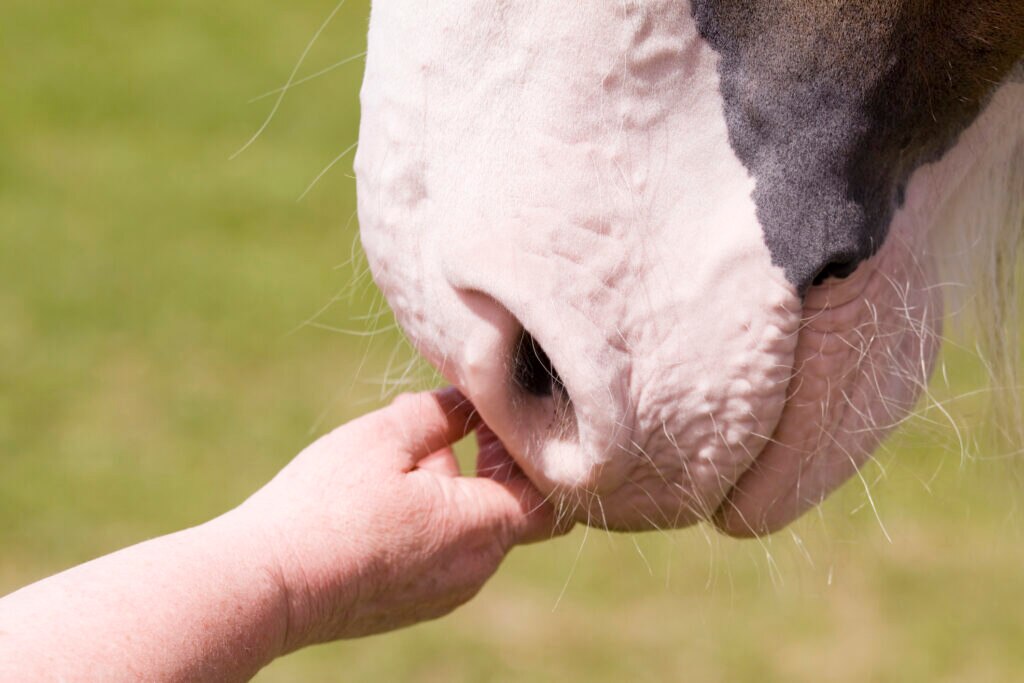
stocknshares/iStock/Getty Images Plus via Getty Images
Sun protection for horses is often overlooked because most people think a horse’s coat is enough to protect them. In some cases that may be true, but a lot of horses, especially those turned out during the summer, can still feel the effects of the sun’s harmful rays.
Key Takeaways
- Some horses are more sensitive to the sun, especially those with pink skin and light hair coats.
- UV light from the sun can cause damage to a horse’s skin in a way similar to the effects on people, including sunburn and increased risk of skin cancer.
- Horses who are predisposed to uveitis are often very sensitive to sunlight, and UV light can even worsen this painful condition in some horses.
- Certain toxicities and types of liver disease can cause horses to become more sensitive to UV light; this is called photosensitization.
- Sun protection in the form of UV fly masks, fly sheets, and sunscreen can be very helpful in keeping your horse protected.
Do Horses Need Sun Protection?
All horses could benefit from some amount of sun protection.
While dark bay and black horses tend to be less susceptible to the sun’s damaging rays, you can still see the effects, such as in a bleaching of their coat color along with sunburn on their nose, around their eyes, and white-haired areas like blazes and socks.
White, Paint, and other light-colored horses need even more support, especially those with pink skin.
In the short term, excess sun exposure can cause sunburn, which is painful and can make horses resistant to being bridled. In the long term, high UV exposure is related to certain skin and eye cancers, especially squamous cell carcinoma, and worsening uveitis, an inflammatory condition of the eye.
Which Horses Are Most at Risk of Sun Damage?
Some horses' coats and skin provide better protection or show better resistance to sun damage, while others have characteristics that make them more sensitive and prone to sunburn and skin cancer.
Horses with Pink Skin or White Markings
Some breeds like American Paints and Appaloosas have pink skin under their hair. This skin is much more easily burned, and often burns in the areas that aren’t as well-protected by hair, like the nose, eyelids, and white legs.
Horses with Thin Coats or Sparse Hair
Some breeds of horses have thinner coats, such as Thoroughbreds. These horses and those who have shaved hair coats are more in need of additional sun protection.
Horses Prone to Photosensitivity or Skin Conditions
Certain toxins, medications (such as doxycycline), and liver conditions can cause photosensitization. This is when the skin becomes extra-sensitive to UV light, leading to severe sunburn-like lesions, especially in white-haired areas.
Signs of Sunburn and Sun Damage in Horses
Sunburn is a concern in horses just like it is in people. Not only is it painful, but repeated sunburn can predispose horses to certain types of skin cancer. Signs of sunburn include:
-
Redness, swelling, or peeling skin
-
Sensitivity to touch
-
Crusting or sores
-
Behavioral changes (head shaking, avoiding sunlight)
The Best Ways to Protect Horses from the Sun
There are many ways to help protect your horse from the sun. This can include UV protective fly masks and fly sheets, as well as topical sunscreens.
Fly Masks with UV Protection
UV protective fly masks, like this one from LeMieux, are one of the best ways to protect your horse from the sun.
These masks protect their skin and the horse’s eyes as well. The hair tends to be thinner around the eyes and ears and not present on the muzzle at all. Fly masks with nose coverage can be an especially great option for horses with pink muzzles.
Sunscreen for Horses
Sunscreen is another great option to help protect your horse, especially if they don’t like to keep fly masks on, or they need to compete when having a fly mask is impractical.
Human sunscreen may contain ingredients that are unsafe for horses, so it’s recommended to choose one that is specifically formulated for horses, such as Equiderma Zinc Oxide Horse Sunscreen.
It should be applied primarily to thin-haired and pink-skinned areas, including the face, white markings, and the muzzle.
Sunscreen should be reapplied every couple of hours and more often if your horse is sweating a lot, so it may not be the best option for horses who are turned out for most of the day.
Protective Sheets and Gear
Fly sheets and turnout sheets with UV protection are an excellent option for full-body coverage, especially for light-haired and light-skinned horses.
Many of these products are lightweight and breathable, making them effective sun protection in the summer heat.
Smart Turnout and Management Practices
UV protective apparel and sunscreen are great options when being out in the direct sunlight isn’t avoidable, but making some small changes to your turnout and riding program can be the best protection of all. You can:
-
Avoid peak UV hours for turnout and riding (late morning through early afternoon).
-
Provide shade in pastures.
-
Adjust turnout schedules during extreme sun exposure.
-
Consider nighttime turnout during summer months.
When To Call a Veterinarian
Sometimes, sun damage can go beyond what can be managed on the farm, and it’s time to call the veterinarian. Here are some signs a visit from your veterinarian may be appropriate:
-
Persistent sores or lesions
-
Suspected skin cancer (new masses or bumps, especially around the eyes)
-
Suspected photosensitivity (severe burn-like lesions, or peeling on white or hairless areas)
-
Repeated sunburn despite prevention
-
Suspected uveitis (excess squinting, tearing, avoidance of the sun)
Sun protection is as important for horses as it is for people, and just like in people, sun damage can be hard to spot. UV protection can help prevent everything from sunburns to skin cancer. Although some horses with lighter skin and hair coats are more susceptible, the damage done to horses with thicker, darker coats shouldn’t be overlooked.
Sun Protection for Horses FAQs
Can I use baby sunscreen on my horse?
Since human sunscreens can contain ingredients that are toxic to horses, it’s important to choose only a sunscreen specifically formulated for horses.
Do fly masks really block UV rays?
Not all fly masks block UV rays. Look specifically for fly masks that are labeled as providing UV protection.
How often should I apply sunscreen to my horse?
Sunscreen should be reapplied every couple of hours, but more frequently if your horse is sweating heavily, getting wet from drinking or bathing, or if more frequent applications are recommended by the manufacturer.


