How To Choose the Best Fly Spray for Horses


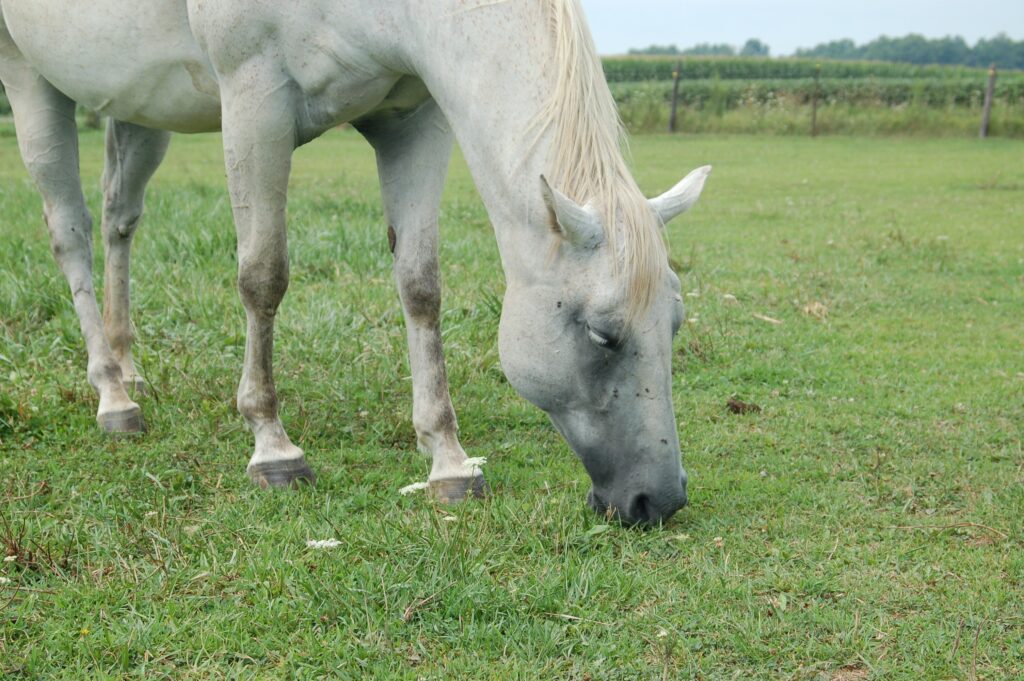
MelissaAnneGalleries/iStock/Getty Images Plus via Getty Images
Flies, mosquitoes, gnats, ticks, and other biting insects are an annoyance to horses and humans alike. These common pests can also spread disease, and their pesky buzzing encourages horses to stomp their feet, increasing the chances of chipped hooves.
Fly spray is part of a horse care routine that helps keep your equine partner comfortable and healthy.
Key Takeaways
- The best fly spray for your horse depends on which formulations work for you and your horse’s needs.
- Pyrethrins and permethrin are ingredients that have proven insect-killing power.
- Natural repellents must be applied consistently in order to work effectively.
- Make sure your horse’s fly spray targets the bugs found in your geographic area.
- Use alternative applications for horses who may have sensitive areas.
Why Fly Spray Is Essential for Horse Health
Bugs can spoil an enjoyable ride, ruin your performance, or interrupt your horse’s nap. Bug bites can cause welts, sores, and skin irritations, such as sweet itch, that require veterinary care. Insects can also carry diseases like:
Fly sprays for horses, especially when used in combination with veterinarian-recommended vaccines, good barn management practices, and fly gear like sheets, masks, and boots, help reduce the risk of disease transmission. These products also help your horse feel more comfortable, as well as more focused during work.
Types of Fly Sprays for Horses
To choose between the types of fly sprays for horses, start with understanding formulations and ingredients.
Chemical Fly Spray
Chemical fly sprays typically use two types of active ingredients:
- Pyrethrins, which are derived from chrysanthemums, provide a speedy knockdown, killing insects quickly. However, they break down quickly in sunlight. Additional ingredients in a formulation can prolong the effectiveness of pyrethrins.
- Pyrethroids are synthetic pyrethrins, with the most common including permethrin, cypermethrin, and resmethrin. Sunlight doesn’t break down pyrethroids as quickly, allowing them to remain effective for several days.
Chemical formulas such as Tri-Tec 14 are strong, fast-acting, and long-lasting.
The tradeoff is that they can irritate sensitive-skinned horses and can raise environmental concerns.
Chemical fly sprays come in two different formulations: oil-based and water-based.
Oil-Based Fly Spray
Oil-based formulations like Pyranha Wipe N’ Spray tend to work fast and last longer, but they also attract more dust.
They also magnify the sun, increasing the chance of sunburn in sensitive areas.
Water-Based Fly Spray
Water-based formulations like UltraShield EX can be less irritating to horses with sensitive skin. These sprays don’t attract as much dirt but do require more frequent applications.
Natural Fly Spray
Natural fly sprays, like this one from Absorbine, use essential oils such as citronella, eucalyptus, cedarwood, geranium, and lemongrass.
Natural ingredients are more eco-friendly and often better tolerated by sensitive horses. However, they generally require more frequent reapplication, especially in hot or humid conditions, and are more heavily scented.
Alternative Applications
There are multiple fly repellent application methods. These four are good options for targeted use and application around sensitive areas:
-
Spot-on products like Equi-Spot are applied similarly to feline and canine flea and tick treatments, and offer protection against ticks and other insects.
-
Roll-on products like Fly Bye! have a roller ball, making it easy to apply around the nose, ears, mouth, and wounds.
-
Manufactured wipes like these from Manna Pro make applying fly repellent to the face easier.
- You can also apply fly spray to a rag and wipe it on or use an ointment like Swat, which is useful in ears and on belly areas or around small wounds to minimize infection from these pests.
-
Fly collars like this one from ALZOO can repel ticks and insects for up to three to four weeks.
Although they look like dog tick collars, be sure not to use any product marketed for dogs on horses.
5 Key Factors to Consider When Choosing a Fly Spray
Choosing the right fly spray for your horse can feel overwhelming. These five factors can help you make the best choice.
1. Effectiveness Against Specific Insects
Choose a fly spray formulated to target the insects most common in your area. Even within a geographic area, insect populations vary. For example, ponds and other standing water are more likely to have mosquitoes than dry areas, so check product labels to find a fly spray that’s most effective on mosquitoes and flies.
2. Duration of Protection
Some fly sprays are designed for daily use, while others offer multi-day or sweat-resistant protection. Long-lasting fly sprays for horses are helpful for turnout, trail riding, or competition days.
3. Horse Skin Sensitivity
Horses with sensitive skin benefit from alcohol-free, hypoallergenic, or natural formulas. Look for manufacturers that make fly sprays for sensitive horses, and always spot-test a new product before a full body application.
4. Weather and Riding Conditions
Sweat, rain, and humidity can break down fly sprays quickly. Consider water-resistant formulas for riding or extended turnout during peak insect season.
5. Scent Strength
Strong scents may deter insects but they can also bother riders and sensitive horses. Choosing between scented and unscented fly sprays depends on your preference and your horse’s reaction.
Fly Spray Ingredients to Look For (or Avoid)
All fly repellents must include a label that lists the ingredients. Look for effective ingredients and ones to steer clear of.
Effective Ingredients
Pyrethrins and permethrin are widely used for their proven insect-killing power. Natural ingredients like citronella, cedarwood, geraniol, peppermint, lemongrass, and clove oil can be effective repellents for some horses when reapplied consistently.
Ingredients to Avoid
Harsh alcohols can dry out skin and worsen irritation, especially with frequent use. Horses with allergies may also react adversely to certain essential oils or synthetic additives.
How To Apply Fly Spray Safely and Effectively
Always read a product’s label for application instructions. The “For Use” section explains proper use, including the distance from the horse and application frequency.
Once you’ve read the label:
-
Brush off any dirt and debris from your horse
-
Shake the bottle
-
Hold the spray bottle 8–12 inches away from your horse
-
Spray a consistent mist from your horse’s poll to their rump and down their legs
-
Avoid spraying products around the eyes, nostrils, and wounds
-
Reapply as needed and based on label instructions
Insects can become resistant to pesticides. Alternating products formulated with different ingredients can help maintain fly spray effectiveness.
Fly Spray for Horses FAQs
How often should you apply fly spray to horses?
A fly spray’s label should tell you how frequently you can safely apply it. Factors like sweat, humidity, and product formulation will determine application frequency.
Is natural fly spray as effective as a chemical fly spray?
Natural fly sprays can be effective but they typically need more frequent reapplication than chemical options.
Can fly spray cause skin reactions?
Yes. If your horse has sensitive skin, start in a small area when trying a new product.