Shire Horse


Tom Meaker/iStock/Getty Images Plus via Getty Images
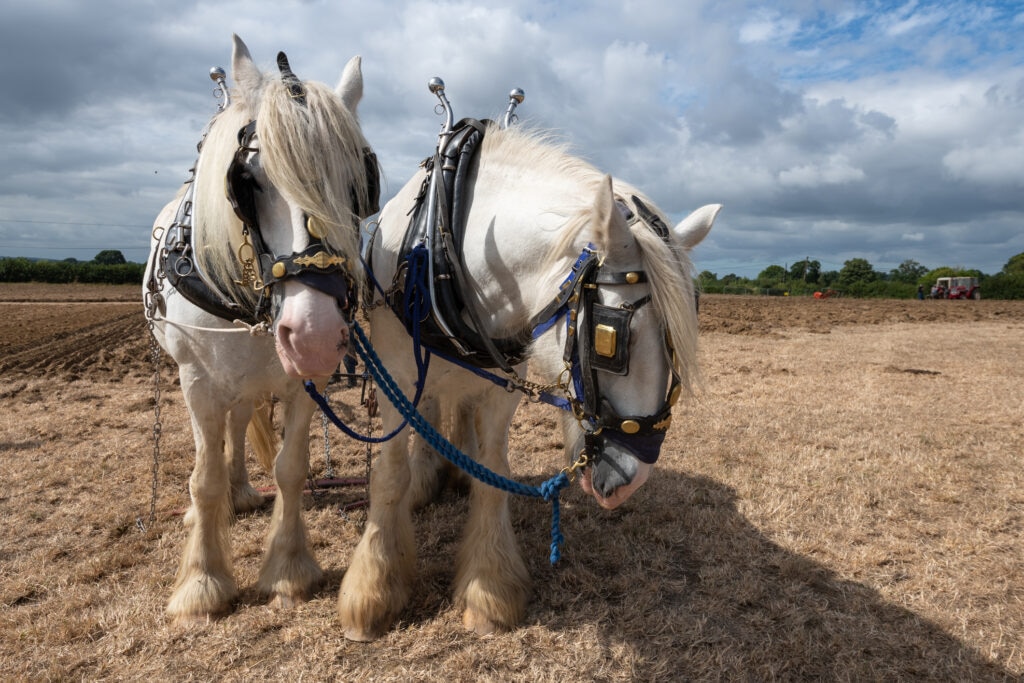
The Shire is the largest horse breed, descended from the Great Horse of England, famous for carrying knights during medieval jousts. Named after the shires of England, the Shire horse was once used in war and agriculture, and the breed didn’t make its way to the United States until 1853.
Today, Shires are revered for their immense stature and power, as well as their gentle, easygoing temperament that makes them lovely working and riding companions.
Fun fact: Sampson (later renamed Mammoth) was a Shire horse who lived in the 1800s and holds the Guinness World Record for the tallest and heaviest horse—21.25 hands and 3,359 pounds.
Shire Horse Snapshot
-
Height: 16–19 hands (64–76 inches)
-
Weight: 1,900–2,400 pounds
-
Lifespan: 25–30 years
-
Colors: Black, gray, brown, bay; no excessive white markings
Caring for a Shire Horse
Like all other horse breeds, Shires need a nutritious diet, plenty of fresh water, daily exercise and grooming, and routine veterinary and farrier care. Because they’re so big, Shires require larger stalls and more food and water than other horses.
Their exercise routine should avoid excess strain on their joints, and extra care is needed for the feathering on their legs to prevent bacterial or fungal infections.
Shire Horse Health Issues
Shire horses can be prone to several conditions common to large draft breeds, including:
Polysaccharide Storage Myopathy (PSSM)
Polysaccharide storage myopathy (PSSM) has two forms: Type 1 and Type 2. Both cause an excessive amount of sugar to be stored in the muscles, leading to “tying up” episodes (painful cramping). Type 1 PSSM is associated with a genetic mutation, and draft horses like the Shire are susceptible.
Symptoms of PSSM include:
-
Soreness
-
Stiffness
-
Cramping
-
Muscle tremors
-
Weakness
-
Sweating
-
Poor performance
-
Reluctance to move
-
Hard or firm muscles
-
Rolling
-
Pawing
-
Discomfort while lying down
-
Dark brown urine
A veterinarian can diagnose PSSM and provide a treatment plan, which may include stall rest, pain medication (such as Banamine), and IV fluids during tying-up episodes.
Slowly reintroducing exercise and adjusting the diet can help prevent future episodes. There’s no cure for PSSM, but genetic testing can help prevent Type 1 from being passed to offspring.
Arthritis
Because of their size and weight, Shires may develop joint issues like arthritis, particularly as they get older. To minimize strain on their joints, avoid overworking or overexercising them.
Symptoms of arthritis in horses include:
-
Swelling around joints
-
Stiffness
-
Lameness
-
Pain
-
Popping sounds from the joints when moving
A veterinarian can provide treatment for this progressive condition. They may recommend no more than moderate exercise and prescribe nonsteroidal anti-inflammatories (NSAIDs) or supplements such as glucosamine and chondroitin to reduce inflammation.
Chronic Progressive Lymphedema (CPL)
Shires can develop chronic progressive lymphedema (CPL), which occurs when lymph fluid builds up in the horse’s lower legs. Because Shires have heavy feathering on their legs, it can be hard to notice this problem in its early stages.
Symptoms of CPL include:
-
Swelling in the legs that becomes firmer as the condition progresses
-
Soft pitting edema (fluid accumulation)
-
Skin folds
-
Lesions
-
Nodules
-
Cone-shaped leg appearance
-
Difficulty moving
-
Changes in hoof growth
-
Pus
-
Secondary skin infections
There’s no cure for CPL, but it can be managed with veterinary guidance. Treatment may include medications to fight infections, plus exercise and massage to help drain lymph fluid.
Clipping the feathers can be helpful in monitoring the limbs. However, if a horse has severe CPL, humane euthanasia may be recommended.
Pastern Dermatitis
Also known as scratches, greasy heel, dew poisoning, or mud fever, pastern dermatitis is an infection that can be caused by moisture trapped in the feathering on a Shire’s lower legs.
If a horse isn’t kept in dry, clean conditions, or their feathering remains damp, they can become susceptible.
Pastern dermatitis symptoms include:
-
Redness
-
Swelling
-
Greasy discharge
-
Scabs
-
Sensitivity to touch
-
Itchiness
-
Discomfort
-
Skin thickening
-
Ulcerations
A veterinarian can guide treatment, and may prescribe medicated shampoos, steroids, and medicines to combat bacteria or fungi. Prevention involves keeping the horse’s environment clean and dry, and grooming their feathering to keep it short, clean, and dry.
Shivers
Draft horse breeds like the Shire can be prone to shivers, a neurological condition that causes hyperflexion or hyperextension when a horse backs up. The abnormal movement causes the horse to appear as though they’re shivering.
The condition is chronic, with symptoms often appearing by age 5 and progressing with time. Symptoms include:
-
Trembling
-
Muscle atrophy
-
Hyperextension or hyperflexion of the hind limbs
Shivers can be managed with the help of a veterinarian, who may recommend consistent exercise, limited stall time, stress reduction, and therapies such as acupuncture or massage.
What To Feed a Shire Horse
Shire horses are generally easy keepers who gain weight easily. Excess weight or an improper or imbalanced diet can lead to health issues like laminitis and joint problems, so overfeeding should be avoided.
Compared to other breeds that aren’t as large and muscular, the Shire needs more food and water daily. A general rule is to feed about 2% of their body weight per day. For a Shire weighing 2,200 pounds, that would equate to 44 pounds of forage, as an example.
Hay and pasture are good choices, while grains and concentrates should be limited or avoided.
You can provide a vitamin and mineral supplement to ensure a complete diet along with forage, in addition to providing access to a salt block throughout the day.
Talk to your veterinarian about adding other supplements to your Shire’s diet based on their needs, such as omega-3 fatty acids, joint-support supplements, or specific vitamins and minerals. If your horse has been diagnosed with a condition like PSSM, your veterinarian can provide guidance on any dietary changes that should be made.
Shire Horse Disciplines
The large and powerful Shire horse is a popular choice for draft and police work. When pulling carts, wagons, carriages, or logs, their strength is undeniable.
Shires also compete in shows where they showcase their talents, such as driving and dressage. Beyond work or sport, they’re also used for leisure and trail riding.
Shire Horse Personality and Temperament
Known as “gentle giants,” Shires are calm, obedient, eager to please, and easy to work with. They’re a good choice for riders of all levels who are comfortable handling large horses.
Shires get along well with children and adults, thanks to their friendly, easygoing, and patient personality.
These are reliable, hardworking, and courageous horses who don’t spook easily. They can be around a lot of people and other animals, including in noisy environments, without getting overwhelmed or frightened.
Of course, every horse is an individual with unique traits, but overall, a well-trained Shire horse makes a wonderful companion for recreational riding, sport, or work.
Shire Horse Training
Shire horses have a willing temperament, learn quickly, and have a long history of working with humans, so they typically aren’t difficult to train, particularly when the right approach is taken.
Always be aware of the fact that these horses are large and powerful, and use positive reinforcement training to help them learn which behaviors are desirable.
You can start gently training a Shire draft horse while they’re very young. Groundwork exercises, starting around 2 or 3 years of age or even younger, can build trust, and daily training will help them bond with you.
As your Shire grows and develops, increase the difficulty level of their training, whether conditioning them to pull a heavy load or teaching them to compete in an equestrian sport. To help prevent injuries, take things slowly until they’re fully mature at around 7 years of age.
Also, don’t overdo it with long sessions. Those that are less than one hour are beneficial, especially when you keep things fun and enjoyable for your equine companion.
Shire Horse Grooming Guide
Grooming a big Shire horse may require a little more time and effort simply because of their size.
Coat Care
Grooming your horse daily, or at least several times a week depending on how active they are, helps keep their skin and coat clean.
To care for your Shire horse’s coat, have a grooming kit with tools including:
-
A curry comb to loosen debris and excess hair from the coat
-
A dandy brush to remove debris from the coat
-
A face brush for your horse’s delicate face
-
A finishing brush to make the coat shine
-
A mane and tail brush or comb to smooth and detangle
-
A shedding blade to remove loose hair during shedding seasons
To keep the feathering on your horse’s legs clean and healthy, use a mane and tail brush to smooth it out—a detangler or conditioner can make this easier.
If the feathering is very dirty, wash it with an equine shampoo, then rinse thoroughly and dry the legs completely.
Check the feathering often to be sure it stays dry, as trapped moisture can lead to infections, inflammation, or irritation.
Hoof Care
Draft horses can develop hoof problems, so hire a professional farrier to examine the hooves and ensure they’re balanced and properly shod or trimmed on a regular basis.
Check your Shire’s hooves daily for signs of infection or other problems (such as cracks) that need a veterinarian’s attention.
Clean the hooves daily, too. Use a high-quality hoof pick to efficiently and thoroughly remove dirt and debris, helping to keep them healthy.
Shire Horse FAQs
Is a Shire horse bigger than a Clydesdale?
Shire horses and Clydesdales are massive draft breeds that are similar in size, but the Shire is the largest horse breed. The average Shire horse height ranges from 16–19 hands, and the average Shire horse weight range is 1,900–2,400 pounds. A Clydesdale horse’s average height is 16–18 hands, and average weight is 1,500–2,200 pounds.
How much does a Shire horse cost?
The price of a Shire horse can range from around $2,500 to over $30,000. Cost depends on several factors, including location and the horse’s age, training, health, bloodline, and performance experience.
Can a Shire horse be ridden?
Yes. These gentle giants are great for recreational riding and can be suitable for riders of all levels who are comfortable on taller horses.
Is a Shire horse good for beginners?
Yes, Shires can be good for beginners. That said, some new or young riders may feel less confident on such a large horse, so it depends on the individual rider’s comfort level.


