Respiratory Problems in Ferrets: Causes, Symptoms, and Treatment

SDI Productions/E+ via Getty Images
Respiratory problems in ferrets affect the nose, airways, and/or lungs and make it harder for a ferret to breathe normally.
Because these issues can progress quickly, recognizing early signs of respiratory problems in ferrets is essential so you can seek timely veterinary care.
Key Takeaways
- Respiratory problems in ferrets can affect the nose, airways, and/or lungs and may cause symptoms such as sneezing, coughing, nasal discharge, or labored breathing.
- Ferrets are especially vulnerable to respiratory infections like influenza, which can spread from humans to ferrets through close contact.
- Open-mouth breathing, bluish gums, or severe lethargy seen in your ferret are emergency signs that require immediate veterinary care.
What Are Respiratory Problems in Ferrets?
Respiratory problems in ferrets are illnesses that impact the upper (nose, sinuses, throat) or lower (trachea, lungs) respiratory tract, interfering with normal airflow and oxygen exchange.
These conditions may involve inflammation, infection, or blockage of the airways. When this happens, air cannot move as easily in and out of the lungs, and oxygen delivery to the body may be reduced. Mild cases may cause sneezing or nasal discharge, while more serious cases can lead to labored breathing or oxygen deprivation.
Some respiratory problems are mild and resolve with treatment, but others can become emergencies. Signs such as open-mouth breathing, severe lethargy, or blue-tinged gums require immediate veterinary attention.
Symptoms of Respiratory Problems in Ferrets
Common signs include:
-
Sneezing
-
Nasal discharge (clear, yellow, or green)
-
Coughing or wheezing
-
Labored or rapid breathing
-
Open-mouth breathing (emergency sign)
-
Lethargy (emergency sign if severe)
-
Loss of appetite
-
Fever
-
Bluish gums (a sign of low oxygen; emergency sign)
Respiratory problems in ferrets often show up as breathing changes, nasal discharge, and reduced energy.
Causes of Respiratory Problems in Ferrets
Respiratory issues can develop for a variety of reasons. Common causes include:
-
Viral infections: Ferrets are especially susceptible to influenza, which can be transmitted from humans.
-
Bacterial infections: Conditions like pneumonia can affect the lungs and cause more severe illness.
-
Allergies or irritants: Dust, smoke, strong cleaning products, or perfumes can irritate the airways.
-
Heart disease: Some heart conditions can mimic or contribute to breathing problems.
-
Airway obstruction: Foreign objects or swelling can partially block airflow.
-
Tumors: Tumors are less common but can affect the respiratory system or surrounding tissues.
Certain factors may increase a ferret’s risk, including exposure to sick humans, poor ventilation, stress, overcrowding, or a weakened immune system. Young and senior ferrets may also be more vulnerable.
How Veterinarians Diagnose Respiratory Problems in Ferrets
Veterinarians use a combination of exams and tests to determine the underlying cause:
-
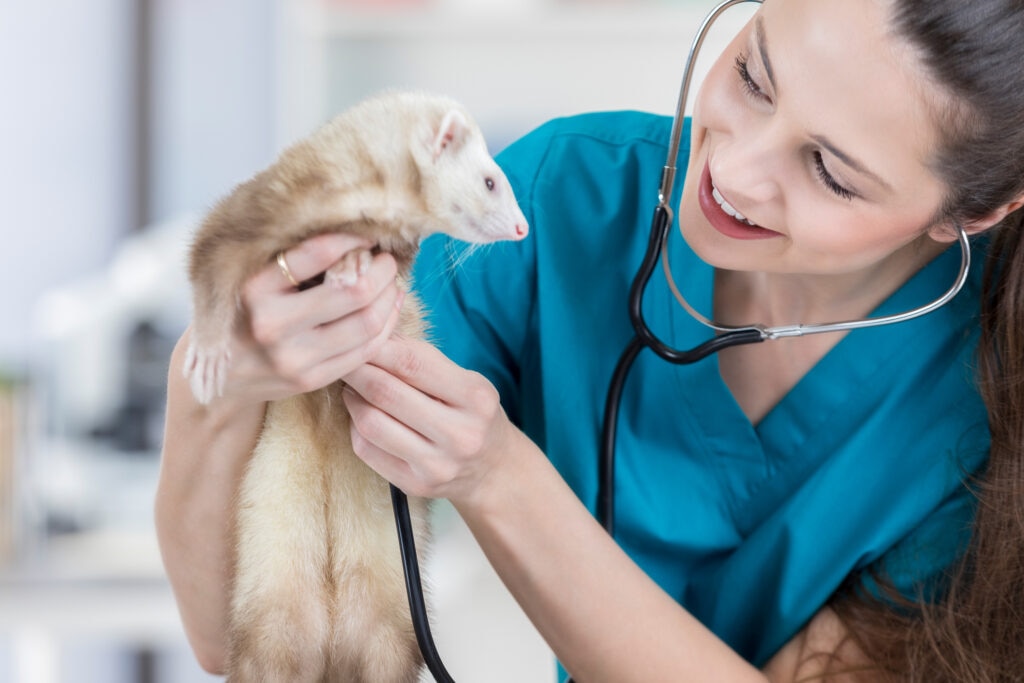
Physical exam: Listening to the lungs and evaluating breathing effort
-
Medical history: Reviewing symptoms, environment, and possible exposure to illness
-
X-rays (radiographs): Assessing the lungs and heart
-
Blood tests: Checking for infection or inflammation
-
Nasal or throat swabs: Identifying viral or bacterial causes
-
Pulse oximetry: Measuring oxygen levels in more severe cases
Before your visit, note when symptoms started and how they have changed. Let your veterinarian know if your ferret has been exposed to anyone who is sick, and consider bringing a video of their abnormal breathing if possible.
Treatment of Respiratory Problems in Ferrets
Treatment depends on the underlying cause but often includes a combination of medications and supportive care.
Common treatments include:
-
Antibiotics: Used for bacterial infections
-
Supportive care or antivirals: For viral illnesses like influenza
-
Anti-inflammatory medications: Help reduce airway swelling
-
Oxygen therapy: For ferrets with significant breathing difficulty
-
Nebulization: To deliver medication and loosen mucus and improve airflow
-
Fluid therapy: Prevents dehydration and supports recovery
At home, supportive care is also important. Keep your ferret in a warm, quiet environment with easy access to food and water. Your veterinarian may recommend using a humidifier to help ease breathing.
Recovery and Management of Respiratory Problems in Ferrets
Recovery time varies depending on the cause and severity of the condition. Mild cases may improve within a few days, while more serious infections can take one to two weeks or longer to resolve.
During recovery:
-
Monitor breathing, appetite, and energy levels daily
-
Give all medications exactly as prescribed
-
Reduce stress and avoid environmental irritants
Some ferrets with chronic conditions may require ongoing management to keep symptoms under control.
Prevention of Respiratory Problems in Ferrets
You can help reduce your ferret’s risk of respiratory illness by maintaining a clean and healthy environment:
-
Wash your hands before and after handling your ferret
-
Avoid contact if you are sick, especially with respiratory illnesses
-
Keep the enclosure clean and well-ventilated
-
Use low-dust bedding
-
Schedule routine veterinary checkups
-
Minimize stress and overcrowding
These steps can help protect your ferret’s respiratory health and overall well-being.
Respiratory Problems in Ferrets FAQs
How do I know if my ferret has a respiratory problem?
Signs include sneezing, coughing, nasal discharge, and changes in breathing. If you notice labored breathing, lethargy, or reduced appetite, contact your veterinarian promptly.
Can ferrets catch colds or the flu from humans?
Yes. Ferrets are susceptible to human influenza viruses, so it’s important to avoid handling your ferret if you are sick, and to always practice good hygiene.
When should I take my ferret to the vet for breathing issues?
Seek immediate veterinary care if your ferret has difficulty breathing or you observe open-mouth breathing, bluish gums, or severe lethargy. Mild symptoms should be reevaluated if they persist or worsen.
This article was created with assistance from AI tools. The content has been reviewed for accuracy and edited by a human.


