Can Dogs Eat Corn?


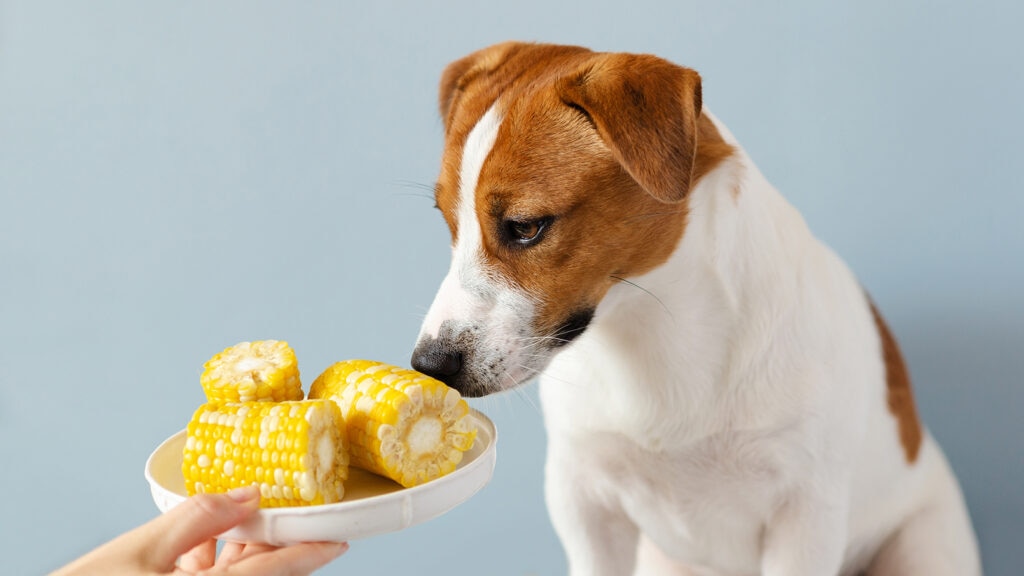
Anna Okhotska/iStock/Getty Images Plus via Getty Images
NOTE: Always check with your veterinarian before giving your dog any new foods, especially “people foods.” What might be OK for one dog might not be good for your dog, depending on multiple factors such as their age, health history, health conditions, and diet. Dogs on prescription diets should not be fed any food or treats outside the diet unless your veterinarian tells you it’s fine to do so.
You’re not the only one who loves a buttery ear of corn—your dog might be eyeing it, too. But can dogs eat corn, or is it something to skip?
The good news is that corn isn’t toxic to dogs and can even offer some health benefits. But there are some potential dangers in feeding corn to your dog, so it’s important to know how to give them this tasty snack safely.
Key Takeaways
- Corn is safe for dogs to eat in moderation—just make sure it’s plain and always served off the cob to avoid choking or an intestinal blockage.
- While not essential to your dog’s diet, corn can provide beneficial nutrients like protein, fiber, vitamins, and antioxidants that support digestion, energy, and skin health.
- Too much corn can lead to digestive upset or weight gain, so stick to small portions as an occasional treat.
Can Dogs Have Corn?
Yes, raw and cooked corn are both safe for dogs to eat in small portions and in moderation, but cooked corn can be easier for your dog to digest. Frozen corn can also be a fun, crunchy food topper for dogs.
Either way, make sure you always cut it off the cob. Corn cobs can cause choking or lead to an intestinal blockage, especially in smaller dogs.
If you do feed your dog corn, it should always be completely plain—no butter, salt, or other ingredients. The high fat content of butter can lead to pancreatitis and obesity, and too much salt can cause salt poisoning in dogs.
If the corn has been cooked with onions or garlic, do not feed it to your dog. Both are toxic to dogs.
Many commercial dog foods and treats also contain corn. Here are a few highly rated options:
Can Dogs Eat Corn on the Cob?
One of the most important things to remember when feeding corn to your dog is that it must be off the cob. Corncobs and corn husks can easily become a choking hazard or cause an intestinal blockage in dogs.
If you think your dog ate a corncob, watch for the following symptoms:
-
Reduced activity
-
Repeated vomiting
If you notice any of these symptoms, or if you saw your dog eat the corncob or corn husks, take them to a veterinarian immediately.
Can Dogs Eat Corn Tortillas?
While corn is a main ingredient in corn tortillas, they’re typically high in sodium. Because of that, they should not be given to your dog as a regular treat. If your dog ate only a small piece, it shouldn’t be a concern.
Can Puppies Eat Corn?
Puppies can eat corn in small amounts, as long as it’s plain, cooked, and served off the cob.
But because puppies have sensitive digestive systems and unique nutritional needs, it’s best to introduce new foods gradually and check with your vet first.
Is Corn Good for Dogs?
When fed in moderation and prepared safely, corn can offer some nutritional benefits for dogs. While it’s not essential to your dog’s diet, the key nutrients in corn can support your dog’s overall health.
Here are the biggest benefits:
-
It’s a source of protein and healthy fats. Corn contains some protein and essential fatty acids, including linoleic acid, which supports skin and coat health.
-
It provides carbohydrates for energy. Corn is rich in carbohydrates, which can help fuel your dog’s daily activities.
-
It’s high in fiber. The fiber from corn may help support digestion and promote regular bowel movements.
-
It’s packed with vitamins. Corn contains vitamins C, B, E, and K, which support immune function, metabolism, and blood health.
-
It offers important minerals. Corn also supplies magnesium and potassium, which play a role in healthy muscle and nerve function.
-
It’s a source of antioxidants. Corn contains antioxidants like lutein and zeaxanthin, which may support eye health and protect cells from oxidative stress.
Is Corn Bad for Dogs?
While corn has its benefits, there are still some potential downsides and concerns to keep in mind:
-
It can cause digestive upset. Some dogs may experience gas, bloating, or diarrhea after eating corn—especially if they eat too much at once.
-
The cob is a choking hazard. Corncobs are not digestible and can cause choking or an intestinal blockage if swallowed. Cut corn off the cob before giving it to your dog.
-
It can contribute to weight gain. Because corn is high in carbohydrates, feeding too much can add unnecessary calories to your dog’s diet. This can lead to weight gain over time, especially if your dog isn’t active.
How Much Corn Can a Dog Have?
If you do feed your dog corn, make sure you’re limiting portions. All treats combined, including corn, should make up no more than 10% of your dog’s diet. The rest should come from a nutritionally balanced dog food.
While the exact amount of corn your dog can eat depends on their size and individual health status, here’s a general guide for how much you can safely feed:
How To Safely Feed Corn to Dogs
While corn isn’t entirely risk-free, you can minimize the chance of digestive upset or choking with these tips:
-
Cook it first. Steamed or boiled corn (without added oils or spices) is easier for your dog to digest than raw corn.
-
Serve it plain. Skip butter, salt, and seasonings, which can cause digestive upset or even be toxic.
-
Avoid the cob. Never give your dog corn on the cob. Instead, cut the cooked kernels off the cob before serving.
-
Introduce corn gradually. If your dog has never had corn before, start with a small amount and monitor for any signs of allergies or digestive issues. If you notice any, stop feeding your dog corn.
Once prepped, corn can be offered in a few different ways:
-
As a standalone treat: Sprinkle a few plain corn kernels into your dog’s food bowl.
-
Mixed into their food: Stir into your dog’s kibble or wet food for added variety and nutrition.
-
Stuffed in a KONG toy: Mix corn with plain canned pumpkin or xylitol-free peanut butter and stuff it into a KONG toy for an enriching treat.
-
Spread on a lick mat: Combine corn with dog-safe peanut butter and spread the mixture onto a lick mat, like the Frisco Silicone Treat Lick Mat.
-
Baked into a homemade treat: Use corn as an ingredient in a vet-approved dog treat recipe, like Martha Stewart's dog cookies.
Can Dogs Eat Corn FAQs
Can dogs eat corn chips?
Like corn tortillas, corn chips are very high in sodium and often contain various preservatives and additives that aren’t healthy for your dog.
Can dogs eat kettle corn?
No, dogs shouldn’t eat kettle corn. It’s typically made with sugar, salt, oil, and sometimes artificial flavorings, all of which can upset your dog’s stomach and potentially lead to more serious issues like pancreatitis.
Can dogs eat corn husks?
No, your dog shouldn’t eat corn husks. Corn husks aren’t toxic to dogs, but they can be very difficult to digest and may cause intestinal blockages, especially in smaller dogs.
Can dogs eat sweet corn?
Yes, dogs can eat plain sweet corn in moderation. Just make sure it’s cooked without any butter, salt, or seasonings. And cut it off the cob before serving.


