Whipworms in Dogs: Symptoms, Causes, and Treatment


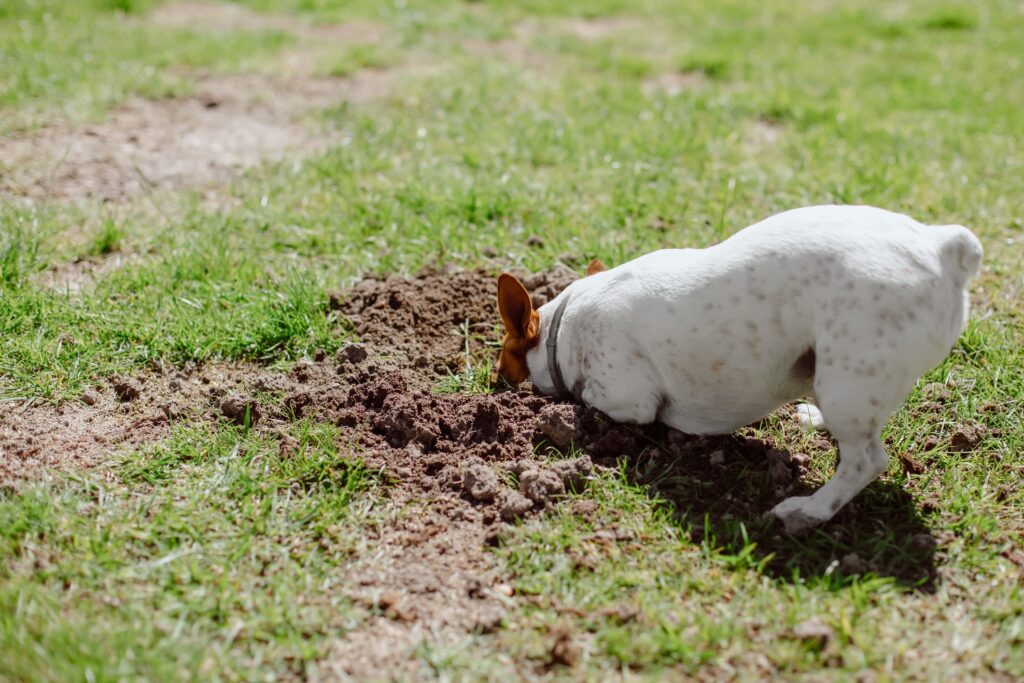
Katarzyna Ledwon-Zarzycka/iStock/Getty Images Plus via Getty Images
Intestinal worms are common in dogs, especially young puppies and dogs that are not on regular prevention. Whipworms in puppies and dogs can be challenging because worm eggs can live in soil for a very long time.
Fortunately, there are prevention products you can use after treating whipworms in dogs to keep your furry family member safe from reinfection.
Key Takeaways
- Whipworms are intestinal parasites in dogs that can cause diarrhea, weight loss, and anemia, especially in severe cases.
- Dogs become infected by ingesting whipworm eggs from contaminated soil, where the eggs can survive for years.
- Treatment includes deworming medications and prevention through routine fecal exams and monthly parasite control.
What Is Whipworm in Dogs?
Trichuris vulpis, also known as whipworm, is a type of intestinal parasite that can infect dogs.
The worms start as small eggs in the environment that your dog can pick up by licking or eating things they find outside (like another animal’s stool).
Even walking through soil that is contaminated with whipworm eggs can lead to infection.
After eating the eggs, they grow into larvae and then adults in a dog’s GI tract. The adults look like thin, thread-like worms that adhere to the inside of a pup’s intestines.
Usually, a pet parent will not see the adult worms since they are hiding in a dog’s intestines.
Instead, they may notice soft stools or weight loss in their pet, because the parasite is stealing nutrients.
Stages of Whipworm in Dogs
There are three stages in the life cycle of whipworms in dogs, including the eggs, larvae, and mature adult whipworms.
Let’s look at these stages:
-
Stage 1: Whipworms eggs are released in the stool of an infected dog out into the environment.
-
Over a period of nine to 21 days, the eggs mature into an infective stage. This maturation process is impacted by the temperature and moisture of the soil, and eggs can survive in the environment for years.
-
-
Stage 2: Once the eggs are ingested by your dog, the larvae hatch from the eggs and attach to the mucosa (walls of the intestines).
-
They remain there for a period of two to 10 days and continue to develop before moving on to a different part of the intestinal tract (cecum or sometimes colon area).
-
-
Stage 3: The adult worms mainly reside in the cecum or colon areas of the large intestine where they consume blood, tissue, fluids and mucosal lining. After 70 to 90 days, the female adult worms produce eggs.
-
Female worms can produce more than 2,000 eggs per day. The immature eggs are released in the dog's feces, and the life cycle continues. If a dog ingests infective whipworms eggs from the soil, it can become infected with the parasite.
-
Symptoms of Whipworm in Dogs
For some dogs, they may not show any symptoms.
The infection can be asymptomatic with low numbers of worms present. As the worm burden increases, there is more potential for inflammation and even hemorrhage into the cecum and colon.
If symptoms of whipworms in dogs do appear, they may include:
-
Diarrhea, often with bright red blood or mucus present
-
Electrolyte imbalances (increased potassium K+ and decreased sodium Na+), mimicking Addison’s disease
Pet parents typically do not see whipworms in the stool, but if they were present, they would look like small pieces of thread with one end enlarged.
How Do Dogs Get Whipworms?
Whipworms in dogs are caused by a pet encountering infected soil.
Whipworm eggs thrive in moist, warm soil but over time are susceptible to desiccation (drying out).
The eggs can remain in the environment for several years.
Unlike other intestinal parasites that can be transmitted by the placenta, breast milk or from an intermediate host, your dog would have to ingest the infective eggs from the soil to become infected.
How Veterinarians Diagnose Whipworm in Dogs
To diagnose whipworms in dogs, your veterinarian will test your pet's fecal sample for the presence of whipworm eggs.
The eggs, viewed under a microscope, will look like football-shaped eggs with caps on both ends.
Whipworm eggs can be difficult to find in fecal samples because of the long reproductive cycle and the eggs are shed into the stool intermittently. They are heavier than other parasite eggs so different laboratory techniques may be needed.
If none of the eggs are found in your dog’s fecal sample, but your veterinarian is still suspicious about possible whipworm infection, then a parasite antigen test can be performed.
This is a test usually performed at an outside laboratory where the feces are tested for the presence of a protein associated with whipworms.
The Companion Animal Parasite Council recommends fecal testing puppies at least four times per year, and adult dogs twice yearly to check for whipworms.
Treatment for Whipworm in Dogs
To treat whipworms in dogs, there are various anthelmintic (deworming) medications available.
The most used is fenbendazole.
The medication is given once daily for five days and then repeated in three weeks and finally once again in three months.
This is to make sure medications cover the long 70- to 94- day reproductive cycle of the whipworms.
While liquid Panacur (fenbendazole) is often prescribed, certain tablet dewormers can also work.
The tablet must include the medication fenbantel to work on whipworms. Drontal Plus is an example of a deworming tablet that is labeled for whipworms.
How To Prevent Whipworms in Dogs
Following treatment for whipworms in dogs, it’s important to keep your dog on a monthly heartworm prevention medication that will work on whipworms.
Remember, whipworms live in the soil for a very long time. Prevention will help keep your pup from getting reinfected.
Commonly prescribed heartworm prevention products that also protect against whipworms include:
These must all be used monthly to keep your dog from getting whipworms again.
Whipworms in Dogs FAQs
Can whipworms kill a dog?
If left untreated, whipworms can eventually kill a dog. They steal nutrients, lead to diarrhea, and even anemia.
This is more dangerous for young puppies, seniors and dogs with other medical conditions, but all dogs are susceptible to dehydration and death from chronic whipworm infections.
How do I treat my yard for whipworms?
It’s tricky to rid your yard of whipworms since they're very hardy and good at surviving in the environment for a long time. Sunny, dry conditions are helpful to dry up the eggs over time.
Diatomaceous earth and lime treatments can help damage worms/eggs.
Make sure to pick up any feces from the yard promptly. Be sure that if you pursue any chemical treatments that you follow all lawn care experts’ recommendations and do not expose your dog to any dangerous chemicals.
The best thing you can do is keep your dog on monthly whipworm prevention to avoid reinfection.
References
- “Companion Animal Parasite Council.” Companion Animal Parasite Council, 28 July 2020, capcvet.org/guidelines/trichuris-vulpis/.
- S. Peregrine, Andrew. “Whipworms in Small Animals - Digestive System.” Merck Veterinary Manual, Sept. 2014, www.merckvetmanual.com/digestive-system/gastrointestinal-parasites-of-small-animals/whipworms-in-small-animals.


