Cat Food Allergies: Symptoms, Causes, and Treatment


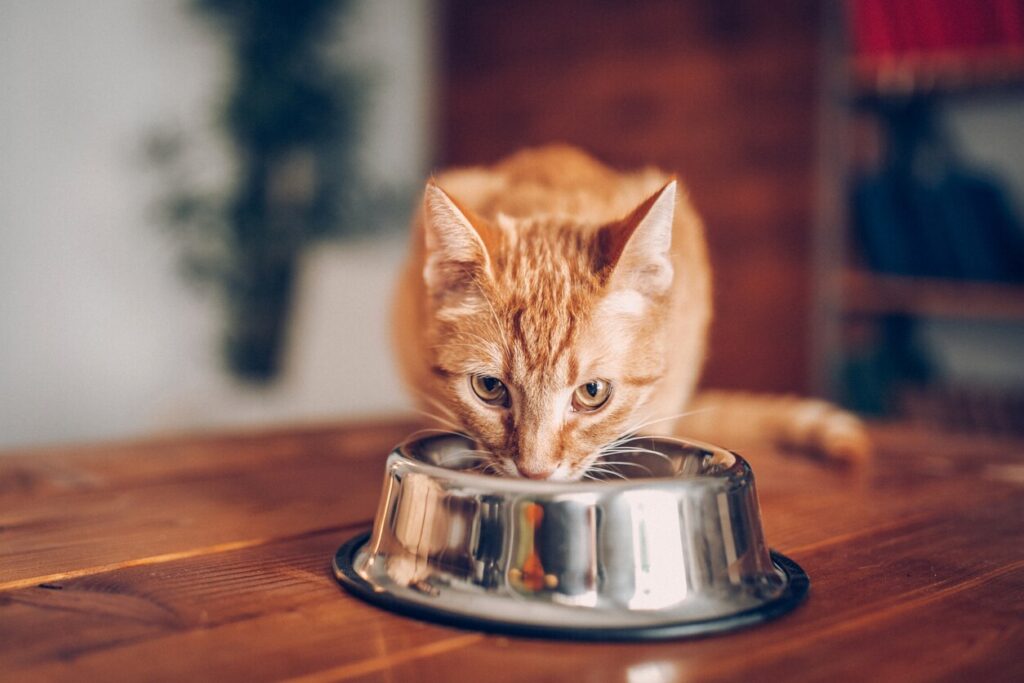
Food allergies are rare in cats—but they can cause several symptoms that involve both the digestive system and the skin. They’re the third most common allergy in felines, behind flea allergies and environmental allergies (such as pollen, dust, grass, storage mites, etc).
Picking the right food for your cat’s allergy is an important decision that should be made in collaboration with your veterinarian.
Key Takeaways
- Food allergies in cats are rare but can cause persistent itching, skin lesions, and sometimes gastrointestinal issues like vomiting or diarrhea.
- The most common allergens are proteins such as beef, chicken, and fish, though cats can react to a variety of ingredients.
- Diagnosis requires a strict eight to 12-week hypoallergenic food trial, with no treats or flavored medications allowed during the period.
- Long-term management involves lifelong dietary changes to avoid trigger ingredients, and symptomatic treatments may be needed to control flare-ups during transition.
What Are Food Allergies in Cats?
A food allergy in cats is when a feline’s immune system overreacts to a food substance it has previously been exposed to.
The immune system will create antibodies to a previously harmless protein, causing an inflammatory response in a cat’s body, which causes symptoms such as itching, sores, and sometimes gastrointestinal (GI) upset.
For a cat to have a food allergy to a specific ingredient, they must have ingested that ingredient in the past.
Food allergies are rare in cats. It’s estimated that just 1% of all cats have food allergies, and up to 15% of itchy cats. Of cats with both itching and gastrointestinal symptoms, up to 42% could be food allergic.
While most cats with food allergies are over 1 year of age, studies have shown that cats of any age (or gender) can develop this issue. There is some evidence that Siamese cats and Siamese mix breeds are more prone to food allergies than other breeds.
Cat Food Allergy Symptoms
The most common symptom of a food allergy in cats is constant itching that does not change or stop seasonally. Itching can occur anywhere on the body, but the head and neck are most often involved.
Symptoms may also include:
-
Licking
-
Scratching
-
Biting
Skin lesions may also be present, which may include:
-
Small crusts (miliary dermatitis)
-
Redness
-
Self-induced trauma (sores due to biting, scratching, or licking)
-
Self-induced hair loss (due to biting, scratching, or licking)
-
Ulcerations
-
Plaques (raised circular nodules)
Less commonly, there may be GI symptoms, including diarrhea and/or vomiting.
Health Tools
Get quick answers with our vet-created Symptom Checker
What Causes Food Allergies in Cats?
A food allergy in cats can develop at any age, even if a feline has been eating the same food for a long period of time with no problems.
Most known food allergies in cats are due to an abnormal reaction to proteins in food.
Let’s look at some common foods that cause allergies, but note that food allergies in cats can be caused by any food substance and are not limited to these items.
Food sources that most commonly cause food allergies in cats are:
-
Beef
-
Fish
-
Chicken
Food sources that cause a food allergy in cats less commonly include:
-
Dairy
-
Lamb
-
Egg
-
Barley
-
Rabbit
How Veterinarians Diagnose Food Allergies in Cats
Veterinarians typically diagnose food allergies in cats by doing a food elimination trial, which involves two steps:
-
Feed a strict hypoallergenic diet for eight to 12 weeks.
-
After eight to 12 weeks, if your cat’s symptoms show great improvement, then reintroduce your cat’s original diet. If your cat’s symptoms recur, then this confirms the diagnosis of food allergy.
Two types of diets can be used for your cat’s hypoallergenic food trial. Your vet may recommend either a:
-
Novel protein, which is a diet made with a protein source that your cat has never had before. Novel protein diets may include fish, duck, venison, or even alligator.
Or
-
Hydrolyzed diet, which is a diet made with proteins that have been broken down into tiny amino acids so as not to trigger an allergic reaction
While there are tests on the market to diagnose food allergies that involve collecting blood, hair, or saliva, none of these tests have been proven to be accurate in clinical studies.
To ensure an accurate hypoallergenic diet trial for your cat:
-
Provide your vet with your cat’s complete diet history. This will help them with monitoring your cat’s response to a hypoallergenic food trial. The choice of what kind of diet your vet recommends depends on this.
-
Do not feed your cat anything else. Avoid additional treats, protein-flavored medications, or even certain formulations of medications (such as gelatin capsules). None of these can be given because they may trigger an allergic reaction.
-
Be patient. Some food-allergic cats who fail to respond to one diet may improve on another diet. Remember, the hypoallergenic diet trial process takes time. Don’t give up!
Treatment of Food Allergies in Cats
The treatment for a food allergy in cats is to feed a diet that does not contain any allergy-inducing ingredients specifically for your cat, based off of a successful hypoallergenic diet trial.
The specific food sources you may be able to feed your cat can vary greatly. Veterinary diets (which need authorization by a veterinarian) are the best choice when performing a hypoallergenic diet trial because they have strict quality control.
Examples of veterinary diets your vet may prescribe for your cat include:
Over-the-counter cat food can contain contaminants from other proteins, which can still trigger an allergic reaction (e.g., a duck-based food might be made in the same machine as a chicken food and if the cat is allergic to chicken, the cat will then react to a duck food).
Over-the-counter diets can also have other protein-containing ingredients that would cause a food-allergic cat to flare up with symptoms.
In certain situations, your vet may recommend an over-the-counter diet formulated by a reputable pet food company, containing a single-source protein, such as:
Most cats are very itchy when starting a hypoallergenic food trial, so symptomatic treatment may be necessary. It takes at least eight to 12 weeks for the old food to leave a cat’s system and the new food to take over.
Low-dose corticosteroids, such as prednisolone, are often used for this purpose.
Any secondary bacterial or yeast infections must also be treated with antibiotics (like Convenia) and/or antifungals (such as itraconazole), and repeated treatments may be necessary.
Food Allergies in Cats FAQs
What is the most common food allergy in cats?
The most common food allergens in cats are animal proteins.
Chicken, fish, and beef are the top three proteins that cause food allergy symptoms in cats. Cats are also commonly allergic to milk products.
Can cats be allergic to chicken?
Yes, the most common food allergy in cats is to animal proteins—which includes chicken.
Chicken allergies commonly cause itchy skin and skin issues but can also cause an upset stomach as well.
How do you figure out what your cat is allergic to?
To determine what foods your cat is allergic to, a hypoallergenic elimination diet trial should be performed.
Starting a veterinary diet with either a novel protein or hydrolyzed protein for a minimum of eight to 12 weeks can help determine what foods your cat might be allergic to.
A diet trial and all diets changes should always be a joint decision between you and your veterinarian.
Can a cat allergy cause diarrhea?
Yes, a cat allergy can cause diarrhea. While it is more common for cats with a food allergy to have itching and skin issues, studies show around 18% of cats with food allergies have digestive symptoms, including diarrhea and vomiting.
References
Bryan, Jacqueline & Frank, Linda A., Food Allergy in the Cat: A Diagnosis by Elimination. November 2010. Journal of Feline Medicine and Surgery.
Jackson, Hilary A., Food allergy in dogs and cats; current perspectives on etiology, diagnosis, and management. February 2023. Journal of the American Veterinary Medical Association.


