Syncope in Cats: Causes and What To Do If Your Cat Faints


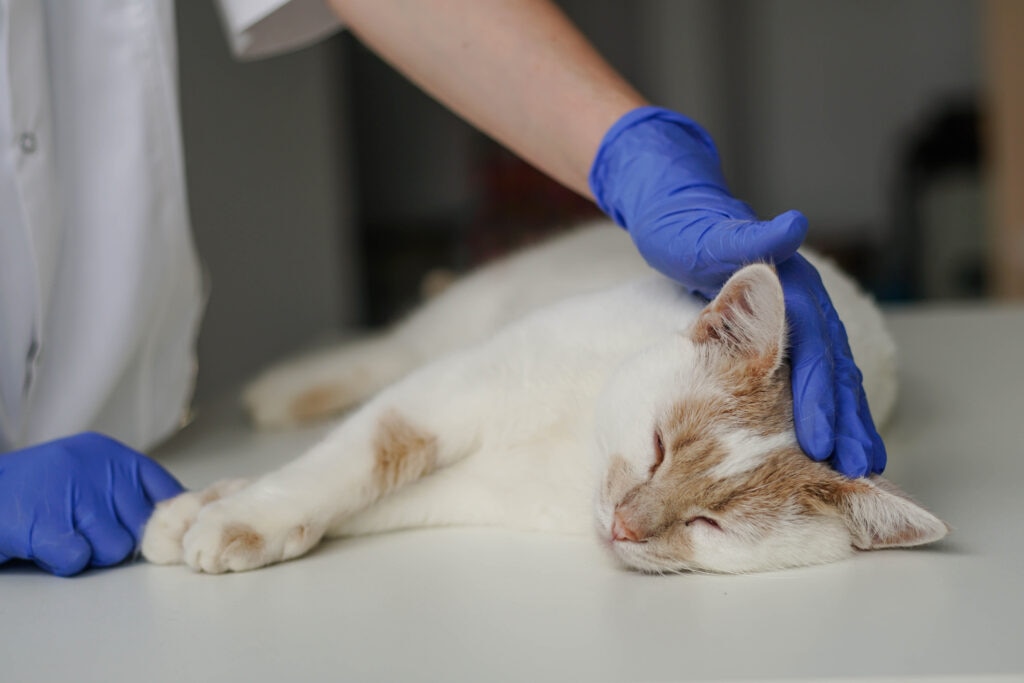
Hleb Usovich/iStock/Getty Images Plus via Getty Images
Syncope, commonly called fainting, is a temporary loss of consciousness that occurs when the brain does not receive enough blood, oxygen, and nutrients. A cat may collapse and then recover within seconds or minutes.
Fainting in cats is relatively uncommon and can happen for many reasons, ranging from stress or excitement to serious underlying conditions such as heart disease, low blood sugar, or toxin exposure. If your cat faints, contact your veterinarian or an animal hospital immediately to determine the cause.
Key Takeaways
- Syncope, also known as fainting, is a temporary loss of consciousness caused by decreased blood flow to the brain.
- Fainting in cats can have many causes, including heart disease, low blood sugar, low blood pressure, certain toxins, stress, and excitement.
- Contact your veterinarian or an animal hospital immediately if your cat faints, especially if it’s the first time.
What Is Syncope in Cats?
Syncope, also known as fainting, is a condition that causes physical impairment in addition to a loss of consciousness.
Cats can sometimes temporarily pass out due a decrease in blood flow to the brain, caused by a lack of oxygen and nutrients.
Depending on the cause, the cat can recover within seconds or minutes.
Fainting is slightly more common in older cats than in younger ones. It is seen more in certain breeds such as the Ragdoll, due to that breed’s predisposition for hypertrophic cardiomyopathy.
Unlike in humans, syncope in cats is relatively uncommon because a cat’s head is a shorter distance above their heart when standing.
Syncope in cats is a veterinary emergency. If your cat collapses, bring them to the closest veterinary emergency room immediately.
What To Do If Your Cat Faints
Any time a cat passes out—but especially the first time it happens—contact your veterinarian or animal hospital immediately.
Often when a cat faints it is due to something harmless like stress or excitement, but other times it can be related to an underlying condition, such as low blood sugar, heart dysfunction, or ingestion of a toxic substance.
In these cases, prompt medical attention is required to ensure the issue does not become life-threatening.
While fainting episodes can be distressing, it’s important to note the following (if you can) to provide to a veterinarian:
- What the cat was doing immediately before and after the fainting episode
- When the fainting episode occurred and how long it lasted
- If possible, take a video of the fainting episode, which may provide additional information
On the way to the veterinary clinic, try to keep your cat calm and relaxed, as stress and excitement can trigger further fainting episodes.
A covered cat carrier with dim lighting, along with Feliway pheromone spray applied to the carrier, may encourage calmness.
If your cat is not in distress and prone to stress, anxiety, or fear aggression associated with veterinary visits, it may be beneficial to consult with your veterinarian about prescription medications to be given before transport.
Symptoms of Syncope in Cats
Symptoms of syncope in cats include:
- Falling to the ground suddenly, usually on their side
- Involuntary muscle twitching
- Loss of bladder or bowel control
- Limp, floppy body
- Pale tongue or gums
- Lack of response to voice or touch, signaling loss of consciousness
Causes of Syncope in Cats
One of the most common causes of fainting in cats (as well as in dogs) is heart disease, such as hypertrophic cardiomyopathy leading to heart failure, heart valve disorders, congenital heart defects, or heart tumors that may interfere with the heart’s function.
Heart disease can compromise the ability of the heart to deliver blood to the brain, causing fainting.
Fainting can also occur due to low blood sugar (hypoglycemia) from conditions such as:
- Liver disease
- Kidney disease
- Endocrine disorder
- Excess insulin given during diabetes management
- Insulinoma (an insulin-producing tumor of the pancreas)
- Severe infections leading to sepsis
Kidney disease and diabetes, when uncontrolled, can also lead to electrolyte imbalances resulting in hypocalcemia (low calcium in the blood) or hyponatremia (low sodium in the blood). Both conditions can cause fainting.
Diseases that lead to thickening of the blood, such as bone marrow disorders, or anything that causes low blood pressure in cats can also lead to fainting, including:
- Anemia
- Blood loss from wounds or trauma
- Severe dehydration
- Hypothermia (low body temperature)
- Overdose of medications for high blood pressure, such as amlodipine, or diuretic medications such as furosemide
- Lung diseases such as pneumonia and pulmonary edema can compromise oxygen delivery to the brain and cause fainting.
- Degenerative myelopathy, a spinal cord disorder that interrupts signals to the brain, can result in fainting episodes.
- Ingestion of toxic substances such as lilies, chocolate, or onions can cause various kinds of internal organ failure that can lead to syncope in cats.
Other causes of syncope in cats can include:
- Straining to urinate or defecate
- Pushing with the abdomen when coughing
- Swallowing too forcefully
- Pulling on a cat’s collar with any amount of pressure
Any of these actions can compromise the pumping of a sufficient amount of blood to the brain, which increases the likelihood of fainting.
Stress or excitement can also cause cats to pass out if the vagus nerve—the part of a cat’s nervous system that controls heart rate and blood pressure—overreacts to a stimulus or external trigger. If blood pressure or heart rate fall too much, blood flow to the brain will decrease, resulting in fainting.
How Veterinarians Diagnose Syncope in Cats
When a cat has fainted, a veterinarian will perform diagnostic tests to determine the underlying cause.
Your vet will start by asking you for a detailed history relating to both the fainting incident(s) and any past medical issues. They will then perform a thorough nose-to-tail physical examination, looking for:
- Elevated heart rate or heart murmurs that may signal heart problems
- Fluid in the lungs or lung crackles that may indicate pneumonia
- Changes in the pupils that may signal toxin ingestion or high blood pressure
- Changes in gum color that may indicate anemia
- Decreases in body temperature
- Signs of blood loss, such as wounds or trauma, that might explain any fainting episodes
- Changes to neurological status, which can rule out conditions like a seizure
Following the physical exam, your vet may recommend the following diagnostic tests:
- Blood work
- An ECG (electrocardiogram) or heart monitor for cats suspected of having heart conditions
- Ultrasound, X-ray, or CT for cats suspected of having liver, lung, kidney, or brain issues or who may have tumors causing abnormal chemistry values
- A CSF (cerebrospinal fluid) analysis may also be used to evaluate cats for diseases like degenerative myelopathy
Treatment of Syncope in Cats
Determining the underlying causes of syncope in cats can help veterinarians begin the most effective treatment:
- For heart conditions, treatment may involve medications to regulate heart rhythm and blood pressure and manage heart failure. In some cases, cats may require surgery to implant a pacemaker to ensure proper heart function.
- If low blood sugar, low calcium, or low sodium is the cause, the veterinarian will administer fluids to correct the immediate issue and begin treatment to address the underlying cause, such as correcting insulin administration for diabetes, antibiotics and supportive care for sepsis, or a prescription kidney diet and phosphorus binders for kidney disease.
- If blood clots are the issue, the veterinarian may prescribe blood thinners or anti-clotting medications. Anemia and blood loss from wounds and trauma may require a blood transfusion. Wounds and trauma may also require surgery to repair torn skin and blood vessels.
- Syncope in cats caused by medications may require the veterinarian to adjust the dosage or switch to a different medication without fainting as a side effect.
- For lung diseases, steroids and diuretics may be used to decrease inflammation, reduce coughing, and remove excess fluid from around the lungs.
- Ingestion of toxins may require decontamination procedures such as activated charcoal administration, fluids, or inducing vomiting.
- If fainting is related to stress, anxiety, or excitement, treatment will center around keeping the cat calm with a variety of management techniques such as Feliway pheromone diffusers, enrichment, gentle handling, anti-anxiety medications like gabapentin or fluoxetine, and supplements such as Purina Pro Plan Calming Care probiotic or Zylkene.
If the cat is vomiting and straining to defecate due to constipation, stool softeners, a high-fiber diet, probiotics, anti-nausea medications (such as Cerenia), and increasing water intake can be helpful for managing fainting episodes.
Fainting due to hypothermia may be eased by administering warmed IV fluids and using external warming tools such as hot water bottles.
Recovery and Management of Syncope in Cats
The timeline for recovery for syncope in cats depends on the underlying cause of the fainting episode.
For underlying issues such as heart conditions and diabetes, lifelong management is required.
Episodes caused by stress and excitement may not require any at-home management if the cat rarely encounters stressful situations, or they may require lifelong administration of medications if the cat has underlying anxiety or aggression issues.
After your trip to the veterinarian for fainting and a treatment plan is in place, your cat may be able to go home the same day or may be hospitalized for treatment. At-home care in either case will depend upon the cause.
The veterinarian will likely schedule at least one follow-up visit, so it is important to maintain your cat on any prescribed medications and follow discharge instructions from the veterinarian. Keep track of progress at home, any new episodes, and any medication side effects to report back to the veterinarian at the follow-up visits.
Contact your veterinarian immediately if your cat faints again.
If there has been any gastrointestinal upset, keeping your cat on a bland diet of plain boiled chicken and white rice, or a special diet designed to alleviate stomach upset, may be helpful for the first two or three days. Your vet may also advise restricting your cat’s activity, to decrease the risk of fainting again from overexertion.
One fainting episode does not always mean that a cat will be more susceptible to future fainting episodes; the diagnosis will affect the likelihood of it happening again.
Prevention of Syncope in Cats
Preventing of fainting in cats depends upon many factors. Strict adherence to treatment protocols, keeping the cat away from toxic substances, and working closely with your veterinarian to adjust medication dosage and timing are all important.
Your veterinarian may also advise you to switch medications if adverse reactions develop, manage behavioral causes of fainting by reducing stress and excitement, and return for regular wellness examinations.
Fainting related to heart disease generally carries a poor prognosis; in other cases, if the cause of fainting is identified and addressed quickly, the prognosis is often good.
Syncope in Cats FAQs
How is syncope in cats treated?
Syncope is treated differently in cats depending on the underlying cause.
Some cats might need to be hospitalized, while others can go home to be monitored closely with or without oral medication and a special diet.
Why did my cat just pass out?
Cats might faint for many different reasons, ranging from fear and anxiety to a serious underlying medical condition.
If your cat faints, bring them to a veterinarian immediately for a physical exam and testing to determine the underlying cause.


