Pancreatitis in Cats: Common Symptoms and How To Treat It


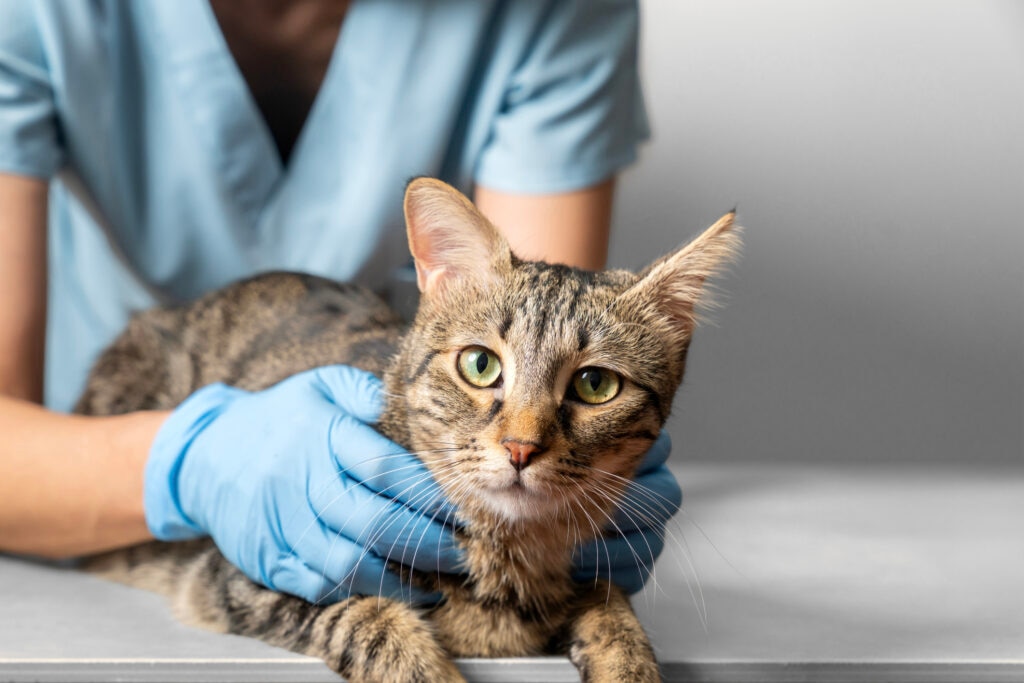
ArtPhoto21/iStock/Getty Images Plus via Getty Images
Pancreatitis in cats is inflammation of the pancreas that can range from mild to life-threatening and often causes symptoms such as decreased appetite, vomiting, weight loss, lethargy, and abdominal discomfort.
While the exact cause is often unknown, early veterinary care can improve outcomes and help prevent serious complications.
Because cats frequently hide signs of illness, pancreatitis can be difficult to recognize until symptoms become more severe. Understanding the causes, symptoms, diagnosis, treatment options, and recovery process can help pet parents know when to seek veterinary care and what to expect if their cat is diagnosed with pancreatitis.
Key Takeaways
- Pancreatitis in cats is inflammation of the pancreas, and it can range from mild to life-threatening—so new symptoms should be checked by a veterinarian.
- Signs are often vague (especially with chronic pancreatitis), but common red flags include not eating, lethargy, vomiting, weight loss, dehydration, and abdominal discomfort.
- Treatment is usually supportive and may require hospitalization for severe cases; some cats with chronic pancreatitis can do well long-term with diet changes, meds as needed, and regular rechecks.
What Is Pancreatitis in Cats?
The pancreas is an organ located between the stomach and small intestine. Among its functions, the pancreas produces enzymes needed to digest food, as well as the hormone insulin, that helps to regulate blood sugar.
When a cat’s pancreas becomes inflamed, the digestive enzymes can activate and start irritating the pancreas itself, causing the pancreas to become inflamed. This condition is called pancreatitis in cats.
In cats, the enzymes can also travel from the pancreas to the gastrointestinal tract. In some situations, this can cause inflammation in the liver, stomach, and small intestine, known as feline triaditis, which in some cases may become life-threatening.
If you think your cat has pancreatitis due to concerning symptoms, bring them to an emergency veterinarian for diagnosis and treatment.
Health Tools
Get quick answers with our vet-created Symptom Checker
Symptoms of Pancreatitis in Cats
When pancreatitis in cats appears suddenly (acute), symptoms are typically easy to notice for the pet parent. Symptoms may include:
When pancreatitis in cats is chronic, signs may be infrequent and may not be as easily noticeable by the pet parent.
Some days the cat may feel fine and other days she may not be as interested in food or may vomit.
Causes of Pancreatitis in Cats
Although in most cases the underlying cause is unknown, pancreatitis can affect any breed and age of cat. Risk factors for pancreatitis in cats include:
-
An underlying disease such as diabetes, irritable bowel syndrome (IBS) or cancer
-
Infection, such as E. coli
-
Certain drugs, such as doxycycline
Sometimes, dietary changes or stress can contribute to pancreatitis.
How Veterinarians Diagnose Pancreatitis in Cats
To diagnose pancreatitis in cats, a veterinarian will start with a thorough physical exam, noting any abnormalities such as weight loss or abdominal pain.
Symptoms of pancreatitis in cats can resemble those of other causes, so your veterinarian will likely recommend blood work and tests, such as the feline pancreatic lipase test, which shows whether pancreatic enzymes are increased.
Results from these tests can help determine treatment or indicate if further tests, such as abdominal X-rays or ultrasound, are necessary.
Other tests may include clotting times (determining the time in which it can take for blood to clot; useful in determining if spontaneous hemorrhage will occur), cultures and/or biopsy in cases of severe pancreatitis.
Treatment for Pancreatitis in Cats
Pancreatitis in cats is treated with fluids, pain and anti-nausea medication, as well as treatment for the underlying cause if that can be determined.
Pain medications may include buprenorphine, and anti-nausea medications may include famotidine or maropitant.
In mild cases and when the cat is still eating, it can generally be treated on an outpatient basis.
The earlier the disease is treated, the more likely it will resolve without further complications. In some cases, pancreatitis progresses to a more chronic disease or may have lasting complications such as diabetes, that will need to be managed.
In severe cases of pancreatitis, or cases where complications such as feline triaditis are present, your veterinarian may suggest hospitalization at the veterinary clinic. This treatment consists of round-the-clock supportive care, including IV fluids and injectable medications to reduce inflammation and nausea. A feeding tube may be necessary if the cat is not eating.
However, if numerous blood clots form, a condition called disseminated intravascular coagulation (DIC), a veterinarian may recommend humane euthanasia to prevent the patient from suffering.
Recovery and Management of Pancreatitis in Cats
When acute pancreatitis in cats is caught and treated early, affected pets can usually return home to live a happy and healthy life.
Cats with chronic pancreatitis may also go on to live a relatively normal life, with some lifestyle changes, that may include an alternative diet, frequent check-ups, and chronic medication.
Potential diets may include Hill’s Digestive Care i/d or Royal Canin Digestive Care.
Prevention of Pancreatitis in Cats
Pancreatitis may be difficult to prevent in many cases, but pet parents can take the following steps to reduce their cat’s risk:
-
Feed a high-quality diet, such as Hill’s Science Diet, to support overall health and ensure meals are measured to maintain an optimal weight.
-
Reduce stress within the cat’s environment to support a healthy immune system using Relaxiv calming diffusers.
-
Ensure any underlying health conditions are effectively managed by following the veterinarian’s instructions closely.
Pancreatitis in Cats FAQs
Can a cat recover from pancreatitis?
Yes, many cats do recover from pancreatitis if it is caught and treated early. Mild cases of pancreatitis typically only require outpatient treatment and carry a good prognosis.
What is the life expectancy of a cat with pancreatitis?
A cat with pancreatitis can have a normal life expectancy if the condition is appropriately managed. However, if frequent flare-ups occur and the cat experiences severe sickness frequently, the prognosis is poor and life expectancy would be shortened.
What not to feed a cat with pancreatitis?
Avoid feeding high-fat foods to cats with pancreatitis as this can increase inflammation in the pancreas and worsen the condition. It’s important to feed bland food or prescription diets formulated for digestive support. Always follow your veterinarian’s feeding instructions for cats with pancreatitis.
How does an indoor cat get pancreatitis?
An indoor cat may get pancreatitis from another underlying health condition that increases body inflammation, certain medications, or from obesity. While the exact cause of pancreatitis is unknown, indoor cats are still at risk for the condition.


