Gerbil vs. Hamster: What’s the Difference?


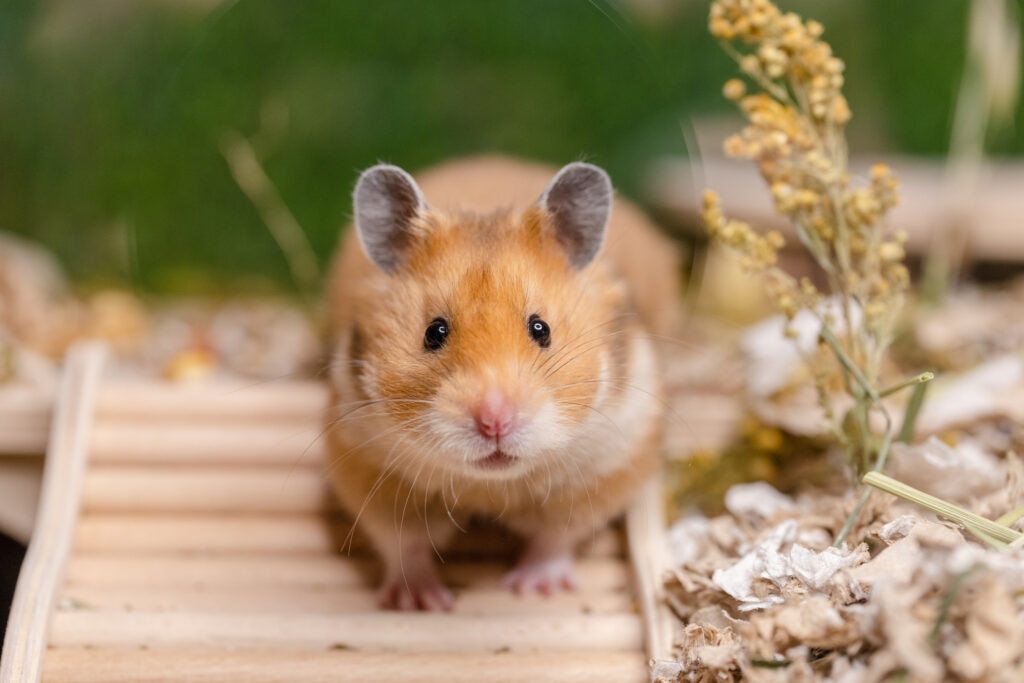
Arf & Wag Studio/iStock / Getty Images Plus via Getty Images
Small pets can make wonderful additions to many households.
Hamsters and gerbils are often great first pets that many people start out with. When deciding between the two, gerbil vs. hamster, it’s important to understand their basic care needs, behaviors, social preferences, and energy levels.
Understanding what a gerbil is and how they differ from hamsters can help you decide which one fits best with your lifestyle.
Key Takeaways
- Gerbils are more social and easier to handle than hamsters, making them great for first-time pet parents.
- Hamsters are nocturnal with stocky bodies and short tails, while gerbils are daytime-active with lean bodies and long tails.
- Gerbils live longer than most hamsters and have slightly different care needs, including housing and enrichment.
- Care needs differ, including housing, enrichment, temperature sensitivity, and social structure.
Are Gerbils and Hamsters Related?
Gerbils and hamsters may look similar at first glance, but they’re actually only distant relatives. Both are small rodents, yet they come from different branches of the rodent family tree and have distinct behaviors, physical traits, and care needs.
Both animals belong to the order Rodentia, which includes mice, rats, and squirrels. From there, their evolutionary paths split:
-
Gerbils are part of the Gerbillinae subfamily and originated in Africa, the Middle East, and Central Asia.
-
Hamsters belong to the Cricetinae subfamily and are native to Europe and Asia.
Although they’re both popular small pets, gerbils and hamsters have different housing, enrichment, and social needs. Understanding their unique backgrounds can help pet parents choose the species that best fits their lifestyle and provide more appropriate care.
Gerbil vs. Hamster: Which Is the Better Pet for You?
Gerbils are typically more social, easier to handle, and enjoy living with a same sex pair.
Gerbils can be great for first time pet parents that want a more interactive, energetic companion that is awake during the day if you are okay with having at least two, so they have a playmate.
Hamsters are typically solitary and do not do well living with other hamsters. They are also more active at night and love to run on exercise wheels during the evening.
While sleeping, it’s important not to startle them awake because they could accidentally bite you when alarmed.
Hamsters are not great pets for children but do very well with adults or older children who understand their needs.
Gerbil vs. Hamster Temperament
The major difference between hamsters and gerbils is their behavior.
While both can do well in captivity, gerbils are notoriously easier, more docile, and less likely to bite.
Hamsters can become tame with frequent handling but will not tolerate being held for long and will bite when scared, sick, or with rough handling.
Because of this, hamsters are not typically appropriate pets for children, while gerbils are very good beginner pets.
Gerbil vs. Hamster Physical Differences
Hamsters and gerbils are both small mammals and can fit in the palm of your hand.
The males of both species are larger, weighing around 130 grams, or about 4.5 ounces. Their body size is anywhere from 2–4 inches long.
Tails are one of the main differences between the species.
Hamsters have short and stubby tails, while gerbils have long tails that grow up to 4 inches long.


Facial features are another noticeable difference. Gerbils have long, pointy faces like mice, while hamsters have short and wide faces.
Hamsters have cheek pouches to store and hoard food so they may look even chubbier!
Body types are another easily distinguishing feature.
Gerbils are longer and leaner, making them athletic rodents, capable of jumping, running, and more agile maneuvers.
Hamsters are also active, but are rounder with shorter legs, making them slightly less athletic.
As rodents, both species have continuously growing teeth.
If these critters are not offered the proper husbandry along with toys, food, and appropriate housing materials to chew on, they can have severe dental issues—most notably overgrowth and abscesses.
Gerbil vs. Hamster Energy Levels
Both gerbils and hamsters have a lot of energy! However, hamsters are nocturnal and are most active at night.
This means they may be noisy and playful when family members are trying to sleep.
Gerbils, on the other hand, are active during the day.
They can interact with their humans and sleep throughout the day and night. Both species do well on schedules that feature similar routines every day.
Gerbils are also highly social and thrive in pairs or small groups.
In contrast, hamsters are known to be territorial and are usually much better suited to live on their own. They will even seriously hurt, even kill, other hamsters.
Gerbil vs. Hamster Hygiene
Gerbils and hamsters are very clean and don’t require shampoo and water baths.
However, both species enjoy sand baths a few times a week. Make sure to use small pet sand, and not dust, to prevent health issues.
These sand baths can keep coats healthy, less oily, and free of any potential parasites.
Gerbil vs. Hamster Housing and Diet
Both hamsters and gerbils require escape-proof cages with secure lids.
Temperatures should be around 65–75 F and humidity around 50%. Both species prefer hide boxes to sleep in safety.
They both enjoy frequent new rotations of toys and enrichment.
Based on the specific breed, some gerbils and hamsters may have slightly more specific temperature and humidity needs.
Make sure to check with your veterinarian to best understand your pet’s individual needs.
Hamsters may enter a state of hibernation, called torpor, when temperatures are too low. Work with your veterinarian if you think your hamster is entering torpor.
Any time a hamster or gerbil is lethargic, sleeping more than normal, and not eating normally is a red flag and a sign to call your exotic vet.
Hamsters and gerbils should both eat a species-specific pelleted diet.
Neither species should eat seed-based diets, which are higher in calories.
Both species require fresh water daily and can occasionally be offered species-safe vegetables.
Hamsters can pack very large amounts of food into their cheek pouches. Make sure to monitor their cages for any hoarded or spoiled food.
While both species produce minimal odor and waste, gerbils may produce slightly less smell than hamsters.
Cages should be spot cleaned daily and deeply cleaned with an exotic pet-safe cleaner (like Nature's Miracle Small Animal Cage Cleaner Spray) every two to four weeks.
Gerbil vs. Hamster Lifespan
Gerbils and hamsters have a similar lifespan.
Five years is the oldest for both species, although hamsters usually live one to two years and gerbils live three to five.
They have similar gestation periods of less than a month and give live birth to their babies.
Hamsters have slightly larger litters of up to nine, and pups from both species are weaned around three weeks old.
Gerbil vs. Hamster Handling
Neither species should EVER be held by the tail. Tail holding can cause serious injuries.
Hamsters are much more likely to bite during handling when first adopted, so wearing gloves or using small blankets or towels may help.
Two-handed scooping techniques are best used for gerbils and hamsters.
Hamsters have poor eyesight, so it’s always a good idea to make a quiet noise or offer your hand to be sniffed before touching them. This will avoid startling them. It’s important to not wake them when they are napping or sleeping because they might bight if startled.
Both species should have loving human interactions for at least 30 minutes every day, as well as regular care with an exotic-experienced vet at least once every year.
Gerbils and hamsters share many similarities as rodent pets, but they are not interchangeable.
They both differ in temperament, social requirements, sleep wake cycle, handling, and lifespan. All these differences can help guide you to pick the best pet for you and your needs.
With proper care, enrichment, and veterinary checkups, hamsters and gerbils can live wonderful healthy happy lives with you.
References
-
Leck DVM, Dipl ABVP, Susan; Johnson-Delaney DVM, Dipl ABVP, Cathy A. Vin.com. A Quick Reference Guide to Unique Pet Species: Gerbil Pet Care. January 2011.
-
Leck DVM, Dipl ABVP, Susan. Vin.com. A Quick Reference Guide to Unique Pet Species: Hamster Pet Care. January 2011.
-
Leck DVM, Dipl ABVP, Susan. Chicago Exotics Animal Hospital. Gerbil Care.
-
Horton DVM, Susan. Chicago Exotics Animal Hospital. Hamster Care.


