Can Cats Eat Bananas?


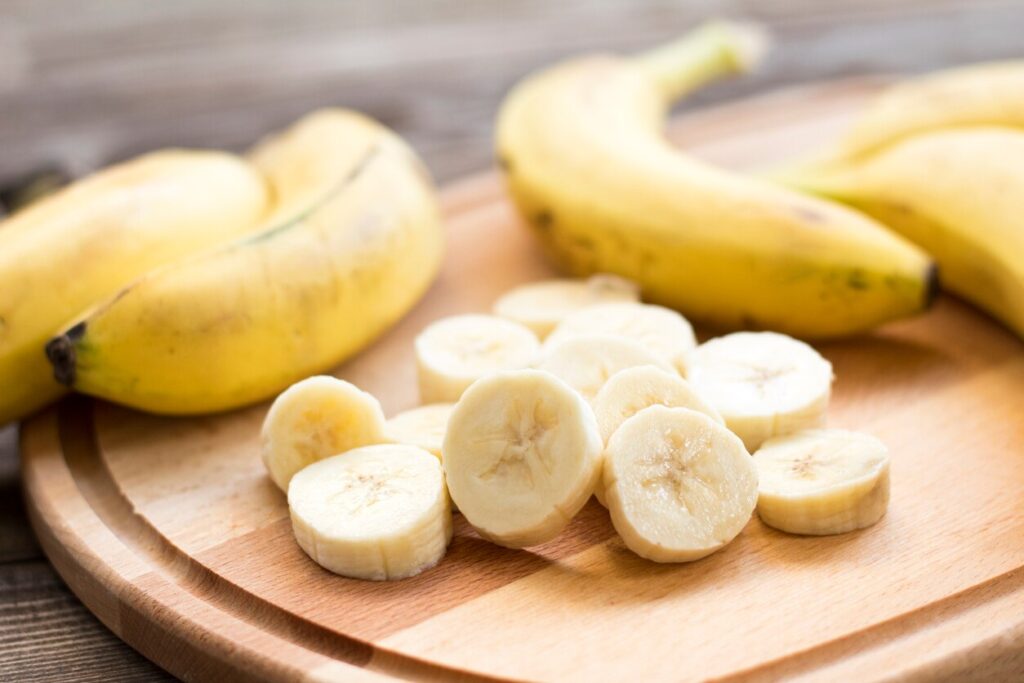
Bananas are generally safe for healthy cats in small amounts, but they offer very few nutritional benefits for felines.
Because cats are obligate carnivores, their digestive systems are designed to process meat rather than fruits and carbohydrates.
While an occasional bite of banana is unlikely to be harmful for most healthy cats, bananas should only be offered as an occasional treat.
Key Takeaways
- Healthy cats can safely eat small amounts of banana.
- Bananas provide little nutritional benefit for cats.
- Cats are obligate carnivores and do not require fruit in their diet.
- Cats with obesity or diabetes should avoid bananas.
- Banana peels should never be fed because they are difficult to digest and may create choking risks.
Can Cats Eat Bananas?
Yes, healthy cats can eat small amounts of banana, and some commercial cat treats, like Choolip Squeeze Vita Stick Lickable Cat Treats, even include bananas.
That said, bananas are not an ideal treat for every cat.
Some cats may develop digestive upset after eating unfamiliar foods, particularly sugary or starchy foods such as bananas. Symptoms may include:
Banana peels should never be offered because they are difficult to digest and may create choking or obstruction risks.
Cats that are overweight or diabetic should generally avoid bananas because of the fruit's natural sugar and carbohydrate content.
Are Bananas Good for Cats?
No, bananas do not provide significant health benefits for cats and are not a necessary part of a feline diet.
Cats are obligate carnivores, meaning their digestive systems are specifically designed to process animal-based proteins. Foods that are high in carbohydrates, including bananas and other fruits, are much more difficult for cats to digest efficiently.
Because of this, some cats may develop digestive upset after eating bananas, including vomiting, diarrhea, or both.
Although bananas contain nutrients such as fiber, magnesium, and potassium, these potential benefits are generally outweighed by the fruit’s high carbohydrate and sugar content.
While an occasional small piece of banana is unlikely to be harmful for most healthy cats, bananas are best considered an occasional treat rather than a beneficial dietary addition.
How Much Banana Can Cats Eat?
Healthy cats can occasionally eat a small amount of banana, but portions should be kept very small.
A practical guideline is to offer no more than a 1-inch square piece of banana every few weeks.
Like any treat, bananas should account for no more than 10% of your cat’s total daily calorie intake. Because bananas are relatively calorie-dense and high in carbohydrates, moderation is especially important.
If you choose to give your cat banana, consider reducing other carbohydrate-rich treats that day to help maintain a balanced diet.
After offering banana for the first time, monitor your cat for signs of digestive upset, such as vomiting, diarrhea, or changes in appetite.
Why Do Some Cats Like Bananas?
Most cats are not particularly interested in bananas because cats cannot taste sweetness the way humans do.
Research has shown that cats lack the receptor responsible for detecting sweet flavors, which helps explain why most cats do not develop a strong preference for sugary foods such as bananas.
That said, some cats do seem to enjoy bananas. In these cases, they are likely responding to something other than sweetness, such as the fruit’s texture, smell, or novelty.
Can Cats Be Allergic to Bananas?
True banana allergies are uncommon in cats, but digestive upset after eating banana is possible.
Food allergies typically develop after repeated exposure to a specific ingredient over time. Because most cats do not eat bananas regularly, they are unlikely to develop a true allergic reaction to the fruit.
However, cats can experience food sensitivities even after a single exposure to a new food.
What Happens if a Cat Eats Banana?
If a healthy cat eats a small amount of banana, there is usually little cause for concern.
Most healthy cats tolerate an occasional bite of banana without serious problems, although some may develop mild digestive upset because bananas are not a natural part of a feline diet.
However, cats with diabetes or other chronic medical conditions should be evaluated more carefully. If your cat has diabetes or another ongoing health issue and eats banana, contact your veterinarian for guidance.
Monitor your cat for signs that they may not be tolerating the banana well, including:
- Vomiting
- Diarrhea
- Constipation
- Loss of appetite
- Lethargy
- Changes in normal behavior
If any of these symptoms develop, contact your veterinarian.
While bananas are generally considered safe for healthy cats, they provide very little nutritional value for obligate carnivores. In most cases, a small piece of cooked chicken or another meat-based treat is a more appropriate snack choice for your cat.
Can Cats Eat Bananas FAQs
Can kittens eat bananas?
Healthy kittens can eat very small amounts of banana occasionally, but bananas are not an important part of a kitten’s diet.
Can cats eat banana peels?
No. Banana peels are difficult to digest and may create choking or gastrointestinal obstruction risks.
How much banana can a cat eat?
A small piece, approximately 1 inch in size every few weeks, is generally considered sufficient for a healthy cat.
Why does my cat like bananas?
Cats cannot taste sweetness the same way humans do, so they are thought to be attracted to the texture or smell rather than the taste.
Can cats be allergic to bananas?
True banana allergies are uncommon in cats, but digestive upset such as vomiting or diarrhea may occur after eating banana.


