Hyperthyroidism in Dogs: Symptoms and Treatment


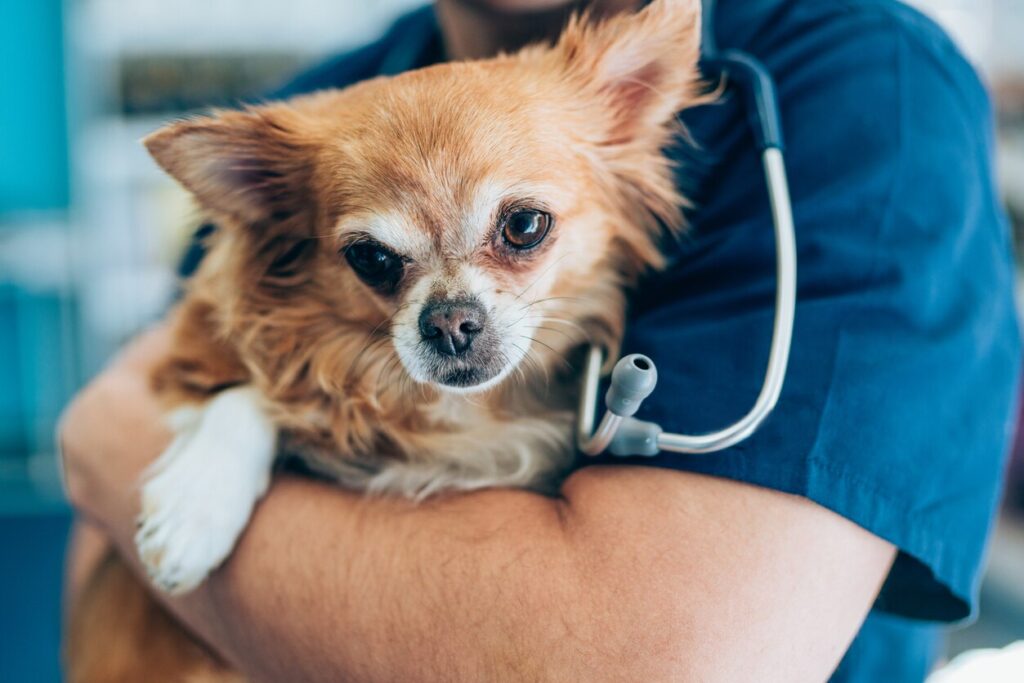
Istock/redit:VioletaStoimenova
Hyperthyroidism in dogs is a rare condition caused by the overproduction of hormones made by the thyroid gland. It is most often caused by a cancerous thyroid tumor, although benign thyroid masses, diet, supplements, and excess thyroid medication can also contribute.
Treatment depends on the underlying cause and may include surgery, medication, radiation, radioactive iodine therapy, chemotherapy, or changes to diet or supplements.
Key Takeaways
- Hyperthyroidism in dogs occurs when the thyroid gland produces and releases excessive amounts of thyroid hormones.
- The most common cause is a cancerous thyroid mass, although diet, supplements, benign masses, and excess thyroid medication can also cause hyperthyroidism.
- Symptoms may include weight loss, hyperactivity, increased thirst and urination, vomiting, constipation, and decreased energy.
- Treatment may include surgery, medication, radiation, radioactive iodine therapy, chemotherapy, or removing the cause.
What Is Hyperthyroidism in Dogs?
Hyperthyroidism in dogs is a rare condition caused by the overproduction of hormones made by the thyroid gland in the neck.
This condition is most often caused by a cancerous tumor within the thyroid, but a benign thyroid mass, diet, and certain supplements can also be contributing factors.
What Does the Thyroid Do?
The thyroid is a butterfly-shaped gland located on both sides of a dog's windpipe (trachea). This gland makes thyroid hormones that aid in metabolism and calcium regulation.
When a dog has hyperthyroidism, the thyroid gland is overstimulated, causing large amounts of thyroid hormones to be produced and released into the body. These excess thyroid hormones lead to an increase in a dog's metabolism and higher calcium levels.
What Are the Symptoms of Hyperthyroidism in Dogs?
Common symptoms of hyperthyroidism in dogs include hyperactivity and weight loss despite an increased appetite. Hyperthyroid dogs have an increased metabolism and also tend to have increased calcium.
Other symptoms may include:
- Increased thirst
- Increased urination
- Decreased energy level
- Vomiting
- Difficulty defecating (constipation)
Symptoms of a Cancerous Thyroid Mass
If hyperthyroidism is caused by a cancerous mass in the thyroid gland, the tumor can often be palpated (touched) in the neck region.
The tumor may also cause:
- Coughing
- Difficulty breathing
- Difficulty eating
- Changes in the tone of a dog's bark
What Causes Hyperthyroidism in Dogs?
The most common cause of hyperthyroidism in dogs is a cancerous thyroid mass that overproduces thyroid hormones.
Other causes include a benign thyroid mass, commercial raw meat diets contaminated with thyroid tissue, supplements containing kelp or seaweed, and overmedication with thyroid supplements.
Thyroid Tumors
Cancerous thyroid masses that cause hyperthyroidism can be either thyroid carcinoma or thyroid adenocarcinoma.
Thyroid masses usually develop within the thyroid gland. However, thyroid tissue can also be present in abnormal locations. This is referred to as ectopic thyroid tissue and can be found under a dog's tongue or at the base of the heart.
As a result, thyroid tumors can occasionally develop in these areas and lead to hyperthyroidism.
Rarely, a benign mass called a thyroid adenoma within the thyroid gland can also cause hyperthyroidism.
Diet, Supplements, and Thyroid Medication
Dogs that consume commercial raw meat diets contaminated with thyroid tissue can develop hyperthyroidism.
Supplements that contain kelp or seaweed can trigger hyperthyroidism if ingested.
Hyperthyroidism can also occur because of overmedication with thyroid supplements in a dog with hypothyroidism (underactive thyroid).
Dogs at Increased Risk
Any breed of dog can develop hyperthyroidism. However, dog breeds with a higher incidence of developing a thyroid tumor include:
Hyperthyroidism occurs most often in older dogs.
How Is Hyperthyroidism in Dogs Diagnosed?
Veterinarians diagnose hyperthyroidism in dogs using a physical exam, blood work, and urinalysis. Imaging such as ultrasound, CT, MRI, or thyroid scintigraphy may also be used to identify and evaluate a thyroid mass.
Physical Exam and Laboratory Testing
- Routine physical exam: A veterinarian may palpate a mass in the neck region or find a mass under the tongue. An elevated heart rate, elevated temperature, weak pulses, or rapid weight loss may also be noted. Enlarged lymph nodes may or may not be found during the exam.
- Comprehensive blood work: This consists of a blood cell count (CBC), a chemistry panel that includes calcium level, and a thyroid panel. Blood work results usually include abnormal thyroid levels and an elevated calcium level.
- Urinalysis: Dogs with hyperthyroidism often drink more water and urinate more frequently. A urinalysis is used to rule out common causes of increased thirst and urination, such as a urinary tract infection, kidney disease, and diabetes. Urinalysis results for a dog with hyperthyroidism are normal.
Imaging for Hyperthyroidism in Dogs
- Ultrasound of the neck: If a mass is palpable in the neck region, ultrasound is used to determine whether the mass is within the thyroid gland and the size of the tumor.
- Ultrasound of the heart: Also called an echocardiogram, this may be needed to check for an ectopic thyroid mass at the base of the heart.
- CT scan or MRI: Advanced imaging may be needed to measure the mass and determine whether the tumor has adhered to surrounding tissue. This can help determine whether the mass can be surgically removed.
- Thyroid scintigraphy: Also known as a thyroid scan, this diagnostic test may be offered to visualize the thyroid gland and determine whether a mass is present.
Are Biopsies Used To Diagnose Thyroid Masses?
A biopsy or fine needle aspirate and cytology of a thyroid mass are not recommended because the thyroid gland is very vascular (comprised of blood vessels). Aspirates or biopsies of the tumor are often inconclusive because of the amount of red blood cells in the sample.
There is also a risk of severe hemorrhage if a needle or biopsy tool is inserted into a thyroid tumor.
How Is Hyperthyroidism in Dogs Treated?
Treatment for hyperthyroidism in dogs depends on the underlying cause and may include surgery, medication, radiation therapy, radioactive iodine therapy, chemotherapy, diet or supplement changes, or adjustment of thyroid supplementation.
Surgery for Thyroid Tumors
If a thyroid tumor is found and is not attached to surrounding tissue, surgical removal of the thyroid tumor, called a thyroidectomy, is recommended. Surgery can also be performed to remove a thyroid mass under the tongue or at the base of the heart.
If surgery cannot be performed quickly, an oral medication called methimazole may be prescribed to manage thyroid levels until surgery.
If a thyroid tumor is attached to surrounding tissue, surgical removal of the entire tumor is not possible. A surgeon can remove most of the tumor (debulk the tumor) and then schedule chemotherapy and/or radiation to treat the tumor cells that remain.
Aspiration pneumonia is a common complication after a thyroidectomy, so the patient needs to be watched closely for signs of respiratory distress.
Radiation Therapy
Radiation therapy can be pursued if metastatic cancer is present or if surgery is too dangerous based on the size of the mass or how invasive it is to surrounding tissues.
Radioactive Iodine (I-131) Therapy
High-dose radioactive iodine (I-131) therapy is an effective treatment option for cancerous thyroid masses that cannot be surgically removed or have metastasized.
It is also used if residual cancerous cells remain after a thyroidectomy.
Chemotherapy
Several chemotherapy drugs have been used to treat hyperthyroidism caused by a cancerous thyroid mass. The drugs that have been found to be most effective are toceranib phosphate (Palladia), doxorubicin, and cisplatin.
Diet and Supplement Changes
For dogs that develop hyperthyroidism from commercial raw meat diets containing thyroid tissue or supplements containing seaweed or kelp, treatment involves stopping the diet or supplement.
Adjusting Thyroid Supplementation
Dogs receiving an overdose of thyroid supplementation for management of hypothyroidism need to have their dosage decreased to prevent symptoms of hyperthyroidism.
Palliative Care for Cancerous Thyroid Tumors
If a pet parent does not wish to pursue surgery, chemotherapy, or radiation, methimazole and Hill's y/d diet can be used to manage hyperthyroidism by decreasing the production of thyroid hormones.
This treatment provides palliative care and can help reduce symptoms for a period. It does not address the thyroid tumor, so the tumor can continue to grow and spread to other areas of the body.
Recovery and Prognosis of Hyperthyroidism in Dogs
The prognosis for hyperthyroidism in dogs depends on the underlying cause. Benign tumors, diet or supplement causes, and excessive thyroid supplementation may resolve when the underlying cause is treated or removed, while cancerous thyroid tumors can require additional treatment.
If a benign tumor is causing hyperthyroidism, surgery is curative.
If diet or a supplement is causing hyperthyroidism, discontinuing the diet or supplement will resolve the condition.
For dogs with hypothyroidism that develop hyperthyroidism from overmedication, decreasing the dosage of the thyroid supplement will resolve the hyperthyroid symptoms.
Prognosis for Cancerous Thyroid Tumors
Treating a cancerous thyroid tumor can be challenging, and prognosis depends on several factors.
If the tumor is moveable and not adhered to surrounding tissue, surgical removal can prolong a dog's life by approximately three years.
If the tumor is large or adhered to surrounding tissue, surgical removal is unlikely to remove the entire tumor, and further treatment is needed to manage the cancer.
Radiation or radioactive iodine therapy for non-metastatic thyroid tumors can yield a survival time of between one and three years.
Prognosis With Metastasis
Cancerous thyroid tumors have a high probability of spreading to other areas of the body, such as the regional lymph nodes. This is called metastasis.
If metastasis is present, the prognosis is poor, and chemotherapy may be needed to treat the cancer in various locations of the body. Survival time is typically less than one year with treatment for metastasized thyroid tumors.
Management After Thyroidectomy
Dogs that have a thyroidectomy may become hypothyroid after surgery, meaning they have low thyroid hormones and need to take a long-term thyroid supplement to manage hypothyroidism.
Some dogs may also develop low calcium levels after surgery and need to be started on a calcium supplement.
Hyperthyroidism in Dogs FAQs
What dog breeds are predisposed to hyperthyroidism?
Any dog breed can develop hyperthyroidism. However, Beagles, Boxers, Golden Retrievers, and Siberian Huskies have a higher incidence of developing thyroid tumors.
What is a dog goiter?
A goiter is an enlargement of the thyroid gland due to a benign medical condition, such as congenital hypothyroidism, or as a side effect of an oral antibiotic called trimethoprim-sulfa.
Once the underlying cause is treated, the goiter resolves.
What is the life expectancy of dogs with hyperthyroidism?
Dogs with a non-adhered, cancerous thyroid tumor can have a life expectancy of up to three years if surgery, radiation, or radioactive iodine therapy is performed to treat hyperthyroidism.
If metastasis is present, survival time is less than one year with treatment options such as surgery, radiation therapy, chemotherapy, and/or radioactive iodine therapy.
References
-
Exogenous thyrotoxicosis in dogs attributable to consumption of all-meat commercial dog food or treats containing excessive thyroid hormone: 14 cases (2008-2013). J Am Vet Med Assoc. January 2015;246(1):105-11.
-
Hyperthyroidism in dogs caused by consumption of thyroid-containing head meat. Schweiz Arch Tierheilkd. February 2013;155(2):149-52.
-
Nadeau M-E, Kitchell BE. Evaluation of the use of chemotherapy and other prognostic variables for surgically excised canine thyroid carcinoma with and without metastasis. Canadian Veterinary Journal. 2011;52:994–998.
-
Dietary Management of Hyperthyroidism in a Dog. J Am Anim Hosp Assoc. 2017;53(2):111-118.
-
Veterinary Information Network. Thyroid Neoplasia (Canine).


