Hair Loss in Dogs: Causes, Symptoms, and Treatment


Ali Çobanoğlu/iStock / Getty Images Plus via Getty Images
Most dogs have a soft haircoat that protects them from the elements, controls their body temperature, and provides insulation.
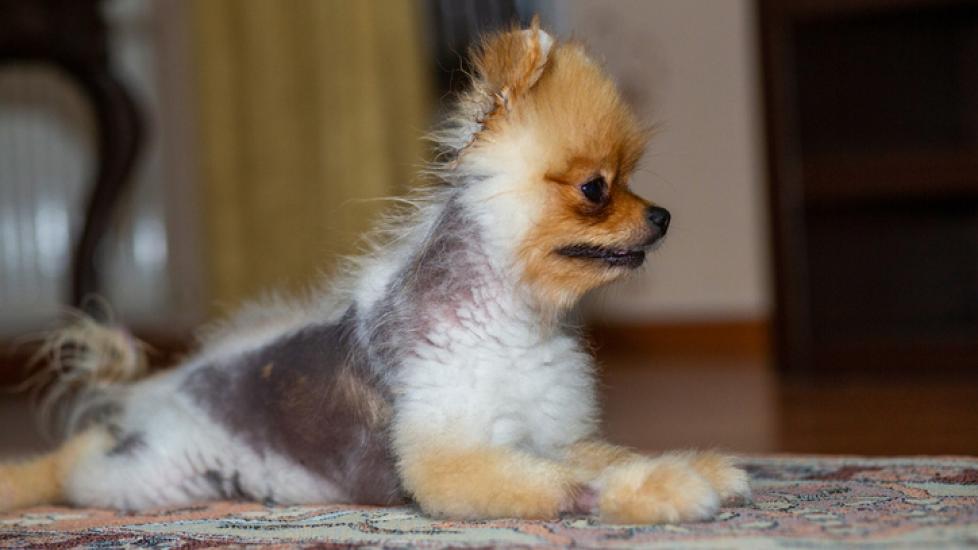
Hair loss, also known as alopecia, is common in dogs. Although it can be unpleasant to see, it typically occurs because of an underlying medical condition.
Knowing the root cause of alopecia in dogs can help your pet’s hair grow back.
Key Takeaways
- Alopecia, or hair loss, is common in dogs.
- If you notice any unusual hair loss on your dog, have your pet checked by your veterinarian to get a diagnosis and possible treatment plan.
- Over-the-counter medicated shampoos and other topical products can be helpful for hair loss in dogs.
What Is Hair Loss in Dogs?
Alopecia exposes a dog’s skin after total hair loss (baldness) or significant thinning. It’s not the same as the normal shedding a dog experiences seasonally or year-round. Shedding is a normal part of a dog’s hair follicle life cycle.
Alopecia is caused by an abnormality in the hair follicle that interrupts the hair’s normal life cycle. It affects all dog breeds and pups of all ages.
Hair loss can be congenital (born with) or acquired (hair loss that occurs after birth in a dog born with normal hair), and it can be temporary or permanent. With congenital hair loss, some pups might be born with a normal coat that changes over time while others can be born with alopecia.
If you notice any unusual hair loss, have your dog checked by your veterinarian to get a diagnosis and possible treatment plan.
Luckily, most causes of hair loss in dogs are not life-threatening conditions and are not a veterinary emergency.
Symptoms of Hair Loss in Dogs
Depending on the underlying cause, the most common symptoms of hair loss in dogs are:
-
Local or widespread baldness
-
Thinning haircoat
-
No itching or significant itch
-
Red raised bumps (papules), pustules (pimples), plaques (flat), or hives
-
Scabs or crusts on the skin
-
Bleeding, oozing discharge from the skin
-
Ulcers or blisters
Causes of Hair Loss in Dogs
Hair loss in dogs is caused by many conditions, both congenital and acquired.
Congenital (present at birth) causes of alopecia may or may not be hereditary (genetic). Let’s look at some of the most common causes of hair loss in dogs:
-
External parasites (fleas, ticks, lice, mites/mange such as Demodex or Sarcoptes, mosquitoes)
-
Insect bites, including spiders, bees, and wasps
-
-
Insect-induced allergies, such as flea allergy dermatitis (FAD)
-
Endocrine or hormonal imbalances
-
Sex hormone-related (common during pregnancy and lactation)
-
Autoimmune disease, such as pemphigus, discoid lupus erythematosus (DLE), or systemic lupus erythematosus (SLE)
-
Breed predisposition—The following breeds are more likely to get certain kinds of alopecia:
-
Friction-induced, from a tight collar, harness, or clothing
-
Nutritional deficiencies, such as with a poor-quality diet or starvation
-
Environmental triggers (exposure to dirt, heat, and moisture)
-
Chemical exposure or burns
-
Medications such as chemotherapy
How Veterinarians Diagnose Hair Loss in Dogs
To diagnose the underlying cause of hair loss in dogs, your veterinarian will need to take a thorough history and perform a physical exam. As part of the physical exam, your vet will look for a pattern to indicate alopecia and if there are signs of a skin infection.
They will also discuss your dog’s breed predisposition for congenital or hereditary hair loss.
Other things the vet will want to know include:
-
If your pet is on a parasite preventive
-
If there are other pets in your home
-
If your pet has had any environmental exposures
-
How long you’ve noticed your dog’s hair loss
-
If your dog has a worsening skin issue
-
If your dog is itchy
-
If your dog has any other health issues
After the exam, your vet will need to do some diagnostic testing.
Some of these tests will give you answers right away, and others will need to be sent to a laboratory. Common tests include:
-
Taking samples of the hair in or around the areas of hair loss and looking under a microscope for abnormalities of the hair follicle. This can show if hair loss is regular shedding or a medical problem.
-
Skin-scrape checks for mites like demodectic and sarcoptic mange
-
Cultures of the hair and skin to check for bacterial and/or fungal infections
-
Black light exam for ringworm
-
Skin smears or a tape prep to look for bacteria, yeast, and inflammatory cells
-
Skin biopsy to diagnose autoimmune disease or cancer
-
Intradermal skin testing for allergies
-
A hypoallergenic or limited-ingredient diet trial for food allergies
-
Blood testing for hormone levels or endocrine conditions
-
Fecal analysis for parasites
Treatment of Hair Loss in Dogs
Successful treatment of hair loss in dogs depends on getting the correct diagnosis from a veterinarian.
Small areas of alopecia that are not itchy or bothersome might even heal on their own.
Depending on the underlying cause, alopecia in dogs may not be able to be cured and treatment can be lifelong.
In some cases, it can take some time to get a specific diagnosis.
In the meantime, your veterinarian will make recommendations on how to reduce the symptoms like itching and make sure your dog is comfortable, such as:
-
Anti-itch, hydrating, and/or soothing shampoo
-
Oral medications for secondary skin infections
-
Antibiotics such as cephalexin or Convenia
-
Antifungals such as ketoconazole or terbinafine
-
Anti-inflammatories such as carprofen or low-dose steroids
-
Once a specific diagnosis is made, a detailed treatment plan will be made for your pup and may include:
-
Any of the above
-
Oral medications
-
Steroids such as prednisone
-
Anti-parasiticides (can be topical as well) such as flea and tick medication (such as NexGard, Bravecto, or Capstar)
-
Cyclosporine (Atopica) for atopic dermatitis and immune-mediated skin conditions
-
Antihistamines such as diphenhydramine can be prescribed but often don’t work very well for most dogs
-
Thyroid supplementation (levothyroxine)
-
Cushing’s disease treatment (trilostane or mitotane)
-
Behavioral modification such as anti-anxiety medication or calming supplements, like Solliquin
-
Topical therapy
-
Sprays, ointments, or therapeutic dips
-
Food trials (hypoallergenic, limited ingredient, or hydrolyzed food)
-
Appropriate nutrition and balanced diet
-
Surgical removal of tumors or growths
-
Chemotherapy and/or radiation for skin cancer
Recovery and Management of Hair Loss in Dogs
Depending on the underlying cause, the length of recovery from hair loss in dogs can vary from days to months.
Some conditions need to be managed for the rest of your dog’s life. Superficial (surface) skin infections can be treated in seven to 14 days with the right treatment. Infections that are deep into the skin can take longer to treat.
Management of alopecia in dogs is often a combination of oral medication, topical treatments, and making sure that dogs can’t lick or chew or scratch the areas of hair loss, which will slow or stop healing.
Using a recovery cone is key in helping prevent your pup from itching and causing self-harm or further infection.
It’s important to make sure your dog’s environment is free of triggers such as fleas and other parasites that can prolong or prevent their recovery.
Prevention of Hair Loss in Dogs
Prevention of hair loss in dogs can be very simple or quite complex.
Congenital and hereditary causes of alopecia in dogs are unfortunately not preventable. For example, conditions like hypothyroidism, Cushing’s disease, or allergies can’t be prevented—only managed.
Acquired causes like fleas and ticks can be prevented with routine, year-round parasite prevention.
If you find out the underlying cause of the alopecia, it will be important to avoid the cause in the future. If you notice areas of hair loss, it’s best to have your dog examined by your veterinarian as soon as possible.
Keeping up with routine health check-ups is important to prevent an issue from becoming too severe to treat.
Hair Loss in Dogs FAQs
When should you worry about hair loss in dogs?
All areas of hair loss should be concerning, especially if they are itchy or progressively getting worse.
Small areas of hair loss that aren’t itchy can sometimes heal on their own. If you are concerned, it’s never wrong to have your dog examined to figure out the underlying cause of their hair loss.
Why does my dog have bald patches?
Dogs can get bald patches for many reasons.
Your veterinarian will get a history and do a physical examination along with diagnostic testing to figure out the underlying cause of your dog’s hair loss and make a specific treatment plan based on the results.
Are there home remedies for dog hair loss?
Over-the-counter medicated shampoos and other topical products can be helpful for hair loss in dogs.
Be careful not to use any medicated products before your veterinary appointment as they can interfere with diagnosis.
What vitamin deficiencies cause hair loss in dogs?
Lack of zinc, vitamin E, biotin, vitamin A, or iron can cause hair loss in dogs.