Anemia in Dogs: Symptoms and Prevention


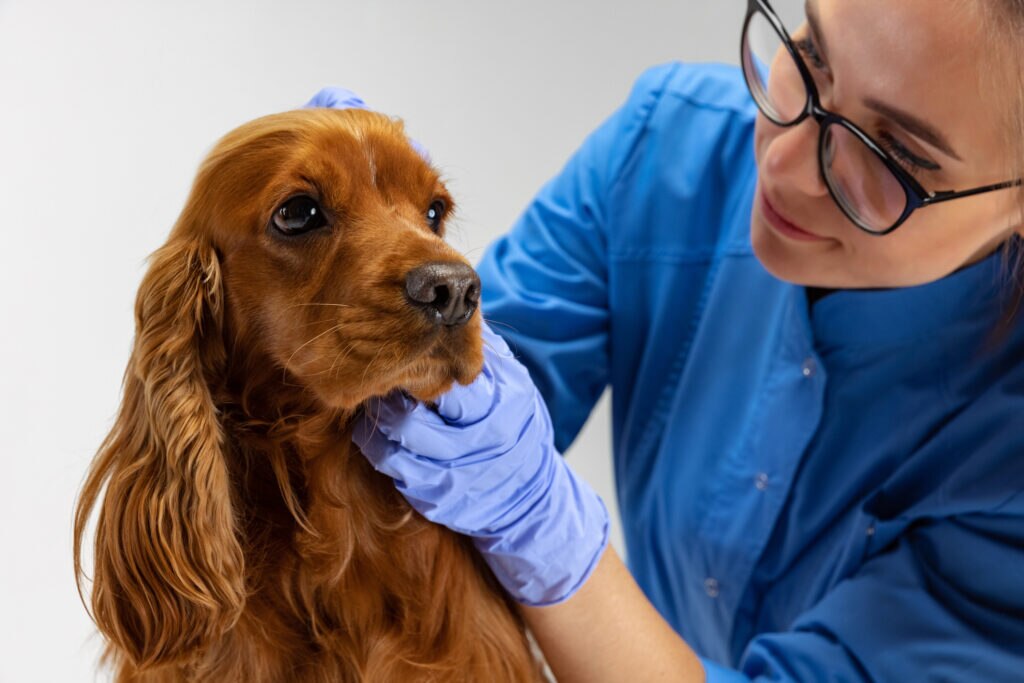
master1305/iStock/Getty Images Plus via Getty Images
Most pet parents are likely familiar with the term “anemia” because it affects many people for various reasons. Unfortunately, anemia can also negatively affect your dog’s health and lead to many of the same symptoms seen in humans.
Anemia in dogs is common and requires treatment by a veterinarian. It can be life-threatening, so it’s important for pet parents to recognize the symptoms so the right medical care can be given promptly.
Key Takeaways
- Anemia in dogs can be life-threatening and requires immediate veterinary care. Symptoms like pale gums, weakness, and increased heart rate may indicate anemia and should not be ignored.
- There are many causes of anemia in dogs, including immune-mediated diseases, parasites, toxins, and nutritional deficiencies. Identifying the underlying cause is crucial for effective treatment.
- Treatment and recovery depend on the severity and cause of the anemia. Some dogs recover quickly with proper care, while others may need ongoing management or hospitalization.
What Is Anemia in Dogs?
Anemia in dogs refers to abnormally low levels of red blood cells or hemoglobin in a dog’s body.
Hemoglobin is a protein in red blood cells that helps with moving oxygen. Without enough red blood cells or hemoglobin, a dog’s organs and tissues do not get enough oxygen to properly function. This results in concerning symptoms, such as pale gums and weakness.
Anemia in dogs can be a medical emergency. If you notice your dog is showing signs of anemia, it is important to bring them to a veterinarian immediately.
Left untreated, anemia can become life-threatening, especially if the dog is having severe symptoms like difficulty breathing and white gums.
Types of Anemia in Dogs
Anemia in dogs can happen because of destruction, loss, or nonproduction of red blood cells.
Destruction of red blood cells means that the dog’s own body is attacking and destroying her red blood cells. This is common when the dog’s immune system misidentifies red blood cells as foreign and gets rid of them. Immune-mediated diseases, such as autoimmune hemolytic anemia (IMHA), occur as a result.
Typically, loss of red blood cells happens when a dog has a trauma or injury and loses blood externally. Internal bleeding also causes loss of red blood cells.
Sometimes, a dog can regenerate her own red blood cells and replenish what’s lost, but this isn’t always the case.
Some dogs may not make enough red blood cells because of various diseases or bone marrow issues. Lack of production leads to nonregenerative anemia—which means the dog can’t recover on her own.
Symptoms of Anemia in Dogs
Dogs with anemia can have many symptoms. The most common include:
-
Pale, tacky gums
-
Increased breathing rate
-
Increased heart rate
-
Cold paws or ears
-
Diarrhea (sometimes with blood)
-
Enlarged, painful abdomen
-
Yellow discoloration of eyes, gums, and skin (jaundice)
-
Dark, tarry stools
-
Sudden death
Causes of Anemia in Dogs
The most common causes for anemia in dogs include:
-
Immune-mediated diseases, such as IMHA
-
Tick-borne diseases, such as babesiosis or ehrlichiosis
-
Viral infections, such as parvovirus
-
Toxin ingestion, including rodenticide
-
Cancer, such as hemangiosarcoma
-
Medications, such as aspirin
-
Chronic diseases, such as kidney disease
-
Intestinal parasites, such as hookworms
-
Bone marrow disorders, such as aplastic anemia
-
Heart disease, such as mitral valve disease
-
Iron deficiency
-
Trauma or injuries
-
Surgery (from blood loss)
Any dog can be affected by anemia, but some breeds are genetically predisposed, including American Cocker Spaniels and Miniature Schnauzers.
Dogs who don’t take monthly flea and tick preventatives are also at an increased risk for anemia due to parasites.
Puppies have anemia more often due to their higher risk for parasites and viral infections. Likewise, senior dogs have a higher incidence of anemia because of their decreased ability to absorb nutrients like iron and normal aging processes.
Dogs who are fed homemade diets that are not nutritionally balanced or complete are more likely to have anemia because they are lacking some nutrients.
How Veterinarians Diagnose Anemia in Dogs
Your veterinarian will start with a complete physical exam.
They will check your dog’s gums and listen to your dog’s heart and lungs for any abnormalities. If your dog’s gums are pale and their vitals aren’t normal, the veterinarian will do more testing to diagnose anemia and the possible underlying cause.
During the exam, your veterinarian will want to know:
-
When symptoms began
-
If your dog may have eaten something they shouldn’t have
-
Their medical and vaccination history
-
Whether they are currently taking flea, tick, and heartworm preventatives
Diagnostic testing that may be done includes:
-
Complete blood count (CBC): A blood sample is taken to check for low red blood cells and hemoglobin. This is the main test to diagnose anemia. Blood samples can also be used to test for specific infections, such as tick-borne diseases or heartworm disease.
-
PCV: This test is less expensive than a complete blood count and only looks at the red blood cells (not the white blood cells and platelets) to diagnose anemia.
-
Serum chemistry: This is another blood test that can check organ function, including the kidneys, and find protein loss occurring with anemia.
-
Coombs test: This blood test is specifically used to diagnose IMHA and checks whether red blood cells clump together.
-
Coagulation profile: A blood sample can be tested in a laboratory to find out whether the dog’s ability to clot their blood is hindered. This can occur with toxin ingestion.
-
Urinalysis: A urine sample can be taken to find any blood loss in the urine and to check kidney function.
-
Fecal float: A small sample of stool is processed and looked at under the microscope to identify intestinal parasite eggs.
-
X-rays: Images of the internal bones and organs can show injuries or toxins that may be causing the anemia.
-
Bone marrow sampling: In cases of unresolving anemia, dogs may be sedated and a bone marrow sample can be taken to find abnormalities such as cancer.
Treatment of Anemia in Dogs
Treatment for anemia in dogs largely depends on the underlying cause.
Some cases of anemia are curable and can heal with the right treatment in just a few days, while others need lifelong management for the dog to remain healthy.
Potential medications and supportive care that may be given to a dog with anemia include:
-
Immunosuppressant medications, such as azathioprine
-
Corticosteroids, such as prednisone
-
Deworming medication, such as pyrantel pamoate
-
Flea preventatives, such as Bravecto
-
Gastroprotectants, such as famotidine
-
Oxygen therapy
Dogs with severe anemia need to be hospitalized for several days while getting supportive care through medications and fluid therapy until they are stable.
Recovery and Management of Anemia in Dogs
Dogs with severe anemia and progressive disease may die, but many dogs who get quick treatment recover in a few days to a few weeks. Dogs with chronic diseases may need lifelong management to control their condition.
While receiving at-home treatment including oral medications, pet parents should expect to bring their dogs back to the veterinary hospital to check their red blood cell count regularly until the counts are stable.
The time between visits will vary depending on how severe the anemia is and what is causing it.
Prevention of Anemia in Dogs
Some cases of anemia in dogs can be difficult to prevent, especially if they are caused by immune-mediated diseases or genetics.
However, pet parents can take a few steps to decrease the likelihood their dogs get anemia. These include:
-
Keep your dog up to date on monthly flea, tick, and heartworm preventatives.
-
Keep up with routine wellness care and blood work.
-
Feed your dog a balanced and complete diet, such as an AAFCO-approved commercial kibble.
-
Keep medications, rodenticides, and toxic plants safely out of reach of your dog.
-
Keep your trash receptacle secure so your dog can’t get at food scraps.
Anemia in Dogs FAQs
What can I give my dog for anemia?
Dogs with anemia should not be treated at home. They should be seen quickly by a veterinarian to get medications and supportive care.
What is the life expectancy of a dog with anemia?
The life expectancy of a dog with anemia varies widely. Some dogs live long, happy lives after prompt diagnosis and treatment, while others with severe disease may quickly die from the condition.
What are the symptoms of anemia in dogs?
There are many symptoms of anemia, and some of the most common include pale gums, increased heart and breathing rates, lethargy, yellow discoloration of the eyes and skin, and weakness.
When should a dog with anemia be put to sleep?
When considering humane euthanasia for a pet, it is important to speak with a veterinarian to become fully educated on this option and the right timing for the decision.


