Heatstroke in Dogs: Signs, Treatment, and Prevention


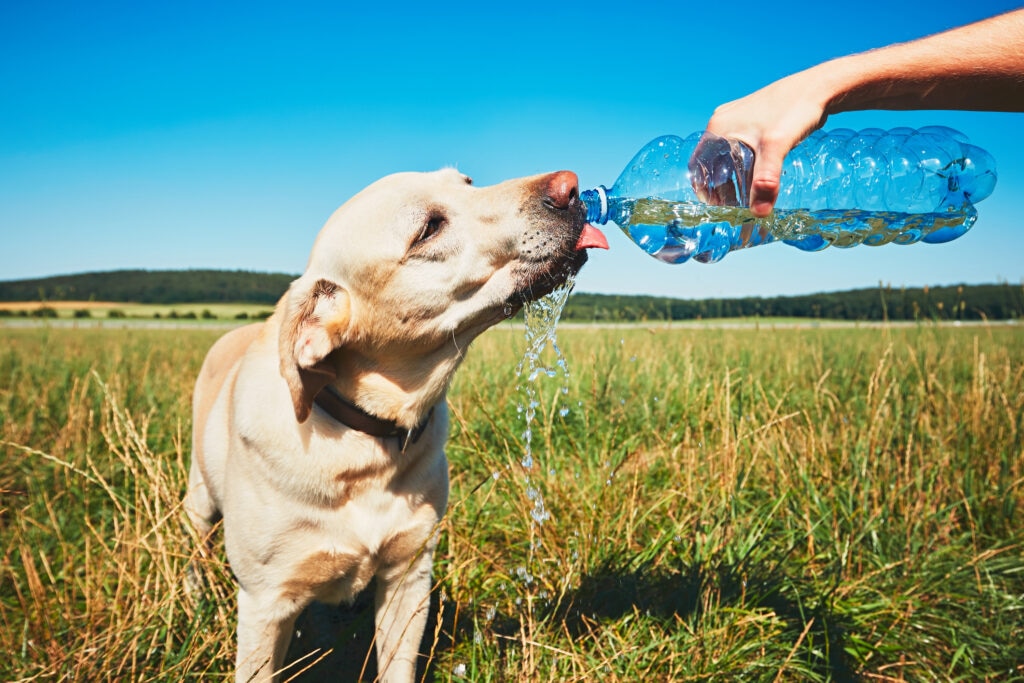
Zbynek Pospisil/iStock / Getty Images Plus via Getty Images
It’s a sunny day and you’ve just gotten home from taking your dog outside for a walk, but he seems more tired than usual. He’s panting and not acting himself.
Should you be worried?
Could this be a sign of something more serious, like heatstroke?
Let’s look at everything you need to know about heatstroke in dogs and what to do if your dog is suffering from signs of heatstroke.
Key Takeaways
- Heatstroke is the result of a dog's inability to cool their body down.
- Dogs are more susceptible to the effects of heat-related illnesses than humans because they are not able to cool themselves by sweating.
- Early diagnosis and aggressive treatment of heatstroke in dogs are important for a pet’s survival and recovery.
What Is Heatstroke in Dogs?
Heatstroke in dogs is the most severe condition in a spectrum of heat-related illnesses.
The first sign a dog may be developing heatstroke is typically heat cramps, characterized by muscle spasms. This is often related to dehydration and electrolyte imbalance.
Heatstroke in dogs overpowers the body’s defense mechanisms by damaging heat shock proteins, which are designed to protect the body from stress and heat.
If the dog continues to be exposed to the heat, this will likely progress to heat exhaustion.
Heat exhaustion is characterized by fatigue and weakness but may also include vomiting and diarrhea.
In the heat exhaustion phase, the pet will likely still have a normal or slightly elevated temperature and dehydration.
As a dog’s temperature increases to greater than 104 F, central nervous system symptoms such as disorientation, seizures, and/or multiple organ dysfunction occurs.
Heatstroke occurs when a dog's body cannot cool down.
This results in damage to the tissues of the body (inflammation), which leads to decreased blood flow to the organs and can ultimately cause organ damage and failure.
Every system in the body can be affected by heatstroke, but main ones include:
-
Heart (elevated heart rate)
-
Lungs (pulmonary edema and difficulty breathing)
-
Central nervous system (disorientation, seizures)
-
Gastrointestinal tract (vomiting and diarrhea, often bloody)
-
Coagulation system (increased risk of bleeding)
Heatstroke in dogs overpowers the body’s defense mechanisms by damaging heat shock proteins, which are designed to protect the body from stress and heat.
Dog heatstroke can occur very quickly and result in death in under an hour, especially if the pet does not have access to shade, water, and rest.
This condition is an emergency. Pet parents should immediately take their dog to the local emergency veterinary hospital if they suspect their pup is experiencing heatstroke.
Signs and Symptoms of Heatstroke in Dogs
Signs of heatstroke in dogs include:
-
Excessive panting
-
Reddened gums/mucous membranes
-
Tachycardia (fast heart rate)
-
Dehydration
-
Elevated temperature (104 F and above)
-
Vomiting (with or without blood)
-
Diarrhea (with or without blood)
-
Weakness/collapse
-
Seizures/death
How Do Dogs Get Heatstroke?
Dog heatstroke occurs when a pup’s body cannot cool down.
There are two main causes of heatstroke in dogs:
-
A dog is left in the car, even on a relatively cool day—According to a recent study, the temperature inside a car increases by an average of 40 F per hour. This means even if it is only 70 F outside, the inside of the car can easily be greater than 110 F.
-
For this reason, a dog should never be left alone in the car, even if the windows are partially open or the AC is running.
-
-
A dog exercising on a hot, humid day—Use extreme caution when exercising your dog on summer days. Dogs can develop heatstroke even when walking for relatively short periods of time. Consider performing outdoor activities early in the morning or late at night and be sure to provide plenty of fresh water.
Some pups have a higher risk of developing dog heatstroke. These include dogs with:
-
Brachycephalic airway syndrome (short-nosed dogs with flattened faces such as Pugs or Boxers)
-
Advanced age
-
Dogs receiving certain medications such as diuretics (furosemide) and beta-blockers (propranolol and atenolol)
Older dogs are also at higher risk. However, any dog can develop heatstroke.
Dogs are more susceptible to the effects of heat-related illnesses than humans because they are not able to cool themselves by sweating.
The main way dogs cool themselves is by panting. Panting causes water to evaporate from a dog’s tongue. However, in high temperatures, this is inefficient, and pups can overheat quickly.
Dog heatstroke cases are more commonly seen in Southern states, and generally in areas with higher temperatures and humidity.
Heatstroke in dogs is becoming increasingly more dangerous due to climate change and extreme weather patterns.
If you suspect your dog may be experiencing heatstroke, call your veterinarian or local emergency veterinary hospital immediately.
Your vet will instruct you on beginning to cool your dog prior to arrival at the hospital. This is extremely important.
Cooling your pet prior to arrival at the hospital has been shown to increase their chances of survival from 50% to 80%. The cooling technique is crucial to preventing more damage.
When cooling your pet, never use ice, as it can increase the risk of shock and even cause hypothermia.
Try to move your pet to a cool or shaded area with a fan if possible. Wet your dog with room temperature water and drape wet towels on the back of the dog during transportation to the hospital.
Diagnosing Heatstroke in Dogs
Heatstroke in dogs is often a diagnosis based on history of heat exposure (being left in the car, exercising), symptoms, and body temperature greater than 104 F.
Once you arrive at the hospital, your vet will take a complete medical history for any predisposing factors such as heart disease, laryngeal paralysis, and tracheal collapse.
Pet parents should immediately take their dog to the local emergency veterinary hospital if they suspect their pup is experiencing heatstroke.
Then, your vet will start with a thorough physical examination to check your dog’s mental status and temperature.
If you initiated cooling measure before arriving at the hospital, the temperature may be normal and will need to be carefully monitored to make sure it does not become too low.
Blood work and urinalysis will likely be recommended.
Dog Heatstroke Treatment
Treatment of heatstroke in dogs includes hospitalization for the affected pup. Further treatment will typically include:
-
Your dog will be started on IV fluids to treat dehydration.
-
Medication (such as Cerenia, famotidine, sucralfate) will be given to reduce or prevent symptoms of vomiting and diarrhea. Antibiotics will likely be a part of your pet’s treatment to prevent infection.
-
Depending on the severity of your pet’s condition, medications (mannitol, diazepam, midazolam) may also be used to help with swelling of the brain and seizure activity.
-
Additional care may include oxygen therapy, plasma transfusions, and/or anti-arrhythmic medications (such as lidocaine) as needed.
While in the hospital, the veterinary staff will monitor your dog’s:
-
Mental status
-
Temperature
-
Blood pressure
-
Heart rate
-
Respiratory rate and effort
Your vet may perform an electrocardiogram test. Repeat blood work is likely, to monitor any changes and help guide therapy.
Can Heatstroke in Dogs Be Treated at Home?
Given the severity of the heatstroke in dogs and the likelihood of complications to develop, pets should be treated at the veterinary hospital.
Favorable outcomes are more likely with rapid response and treatment—the sooner you can get your dog to the vet, the better.
Dog Heatstroke Prognosis
Early diagnosis and aggressive treatment of heatstroke in dogs are important for a pet’s survival and recovery.
Recovering from heatstroke is directly related to how high the dog’s temperature was, for how long, and how quickly they arrived at the hospital.
Major damage can occur when the body’s temperature reaches higher than 109 F. A dog’s prognosis is considered poor if multiple organ failure occurs.
Most dogs that survive the initial 24 hours will live but will remain hospitalized on IV fluids and supportive care for two to three days.
Once discharged, they will need lots of rest and extra care, but typically they can make a full recovery and go on to live normal lives.
Your vet will likely want to check blood work one to two weeks after the heatstroke event to ensure all organs are working properly.
How To Prevent Heatstroke in Dogs
Prevention is key for heatstroke in dogs; keep in mind the following when the weather is hot:
-
Always ensure that your pet has access to shade and water when outdoors.
-
Only exercise dogs in cooler parts of the day (early in the morning, late at night). Even short walks can cause heatstroke in predisposed dogs or on extremely hot, humid days.
-
Never leave dogs alone in cars, even on seemingly cool days. Even if the windows are left partially open or the car is parked in the shade, the inside of the car can be greater than 40 F hotter than outside.
-
On hot days, keep your pet inside the house with air-conditioning, especially if they have a predisposed condition.
Heatstroke in Dogs FAQs
What are the three stages of heat exhaustion in dogs?
Heat stress is the first stage marked by panting, increased thirst, and lethargy.
If cooling measures are not instituted and activity ceased, a dog’s temperature will continue to rise, and symptoms will progressively get worst. This leads to heat exhaustion.
If left untreated, heat stroke, the last stage, will occur. This stage is marked by seizures, a temperature of 104 F or more, shock, and death.
How do dogs act when they are overheated?
Dogs often react to extreme heat the same way people do—they attempt to seek cooler environments, drink more water, and act tired.
Panting is typical and their breathing becomes labored, and gums often become a dark red.
How long will it take a dog to recover from heat exhaustion?
Most dogs respond initially to cooling measures and their temperature lowers quite quickly.
However, depending on the severity, some dogs may be hospitalized for two to three days and others may be discharged within the first 24 hours.
Generally, dogs that recover don’t have any long-term side effects but may be at increased risk of future episodes.
References
-
Iowa Veterinary Specialties. Canine Heat Stroke.
-
American Veterinary Medical Association. Estimated Vehicle Interior Air Temperature v. Elapsed Time.


