Pet Wellness Exams: Costs and What To Expect


VYCHEGZHANINA/iStock/Getty Images Plus via Getty Images
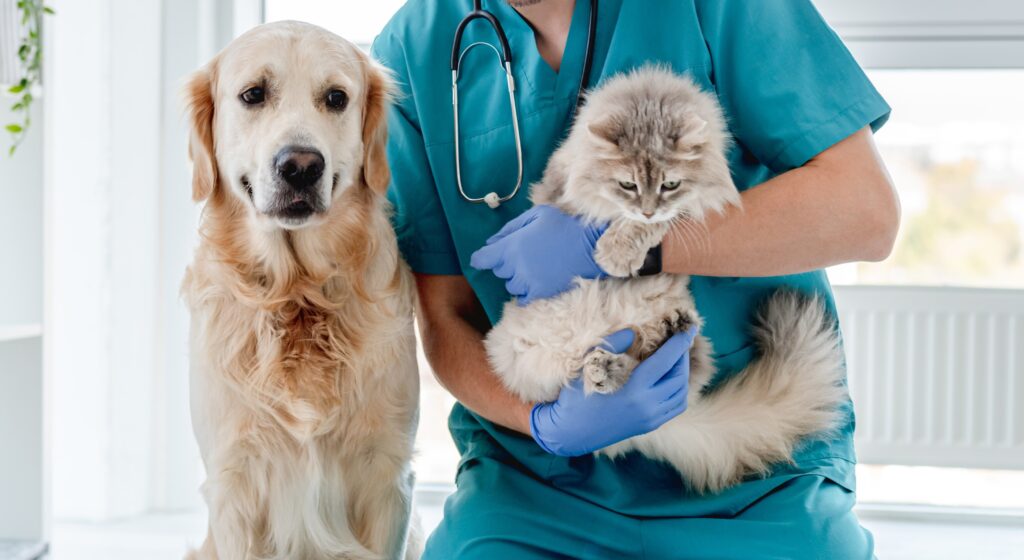
Pet wellness exams are crucial for checking the overall health of your dog or cat and identifying any problems early so they can be diagnosed and treated.
Pet health checkups generally consist of an exam and vaccines with possible diagnostic testing, such as blood work, depending on your pet’s needs.
In this article, you’ll learn everything you need to know about pet wellness exams and how to prepare for them.
Key Takeaways
- Wellness exams help detect health issues early and should be scheduled regularly—annually for adults and more often for puppies, kittens, and senior pets.
- A typical visit includes a physical exam, diagnostic testing, preventive care like vaccines and parasite control, and discussions about diet, behavior, and daily routines.
- Costs vary by location, pet age, and clinic type, but preparing in advance with records and questions can make the visit smoother and more efficient.
How Often Should Cats and Dogs Go to the Vet?
The recommended frequency for pet wellness exams depends on your pet’s age.
Puppies and Kittens
Puppies and kittens grow and develop quicky.
They generally need to see a veterinarian for wellness care every three to four weeks, starting when they are 6 to 8 weeks old and ending when they are between 16 and 20 weeks old.
Then, their pet wellness exam is usually scheduled about one year after their last visit.
Adults
Vets recommend that adult cats and dogs are seen annually (yearly) for their pet wellness exams.
Seniors
Because pets age more rapidly than we do, it’s a good idea to start bringing your pet to see the veterinarian every six months once they hit their senior years.
This transition occurs around 7 years of age for medium-sized dogs, a year or two earlier for large and giant breeds, and around 9 or 10 years of age for cats and small dogs.
Ask your veterinarian if you are unsure what frequency your pet needs to be seen.
What To Expect at a Pet Wellness Checkup
There’s a lot to cover during a pet wellness exam. Let’s look at what to expect at your visit.
Routine Exams
During routine exams, your vet will:
-
Measure your pet’s weight
-
Check their temperature and your pet’s pulse and respiration rate
-
Ask questions about your pet’s diet, lifestyle, behavior, and health history
-
Perform a full physical exam from head-to-toe, including an oral exam
H3: Diagnostic Testing
Your vet may recommend diagnostic testing in addition to a full physical exam. These tests include:
-
A fecal exam. Most adult dogs and cats should have a fecal examination at least once a year to check for intestinal parasites. Young animals are especially susceptible to worms, and they benefit from fecal examinations at every puppy or kitten visit.
-
A heartworm test. Dogs and cats over 7 months of age should be tested for heartworms before starting prevention. The American Heartworm Society recommends annual testing for dogs—even when they are on heartworm prevention—so that any breakthrough infections can be caught early.
-
A FeLV/FIV test. It’s important to know whether a cat is infected with feline leukemia virus (FeLV) or feline immunodeficiency virus (FIV). According to the Feline Veterinary Medical Association, the timing and frequency of testing should be based on a cat’s age, history, health, and lifestyle.
-
Blood work and urinalysis. Veterinarians commonly recommend blood work, including a complete blood cell count (CBC) and a blood chemistry panel, as well as a urinalysis for adult and senior dogs. Older cats may require thyroid testing at least once a year.
Preventive Care
During a pet wellness exam, your veterinarian will discuss with you the importance of preventive care, such as:
-
Vaccines. At every pet wellness visit, the veterinarian will assess a pet’s need for new vaccinations and vaccine boosters (some can be given every three years). It may also be possible to check a pet’s vaccine titer to determine if boosting is necessary. Core vaccines are immunizations that virtually all pets should receive.
-
Core vaccines for dogs:
-
Core vaccines for cats:
-
Feline viral rhinotracheitis
-
-
Based on your pet’s lifestyle, age, and health, your vet may also recommend non-core vaccines, including:
-
Influenza (dog)
-
Lyme (dog)
-
Leptospirosis (dog)
-
FIV (cat)
-
FeLV (cat)
-
Chlamydia felis (cat)
-
Parasite prevention. Dogs and cats are at varying degrees of risk for fleas, ticks, heartworms, intestinal worms, and other parasites based on their age, where they live, and their way of life.
-
Your veterinarian can put together an appropriate parasite prevention plan based on all these factors.
-
Many products now treat multiple types of parasites with a single dose, given monthly or less frequently.
-
-
Pet ID. Combining visible forms of pet ID, like a collar tag along with a microchip, greatly increases the odds of being reunited with a lost pet.
-
Once a pet has a microchip, you must keep your contact information current with the chip’s company.
-
Inserting a microchip under the skin is a quick, relatively inexpensive procedure that your vet can do at any appointment.
-
-
Spay/neuter. Most pets who are not going to be a part of a breeding program should be spayed or neutered. Your veterinarian can discuss the benefits, risks, and appropriate timing of spaying and neutering.
-
Dental care. Good dental care is essential to pet well-being. Your veterinarian can tell you if your dog or cat needs a professional dental cleaning and recommend appropriate dental home care.
-
Grooming. Regular brushing, bathing, nail trims, haircuts, and ear cleanings may be needed to keep your pet looking and feeling their best. Your veterinarian can help you determine what grooming your specific pet needs.
-
Daily life, behavior, diet, and exercise. Your veterinarian will give advice about behavior, diet, exercise, environmental enrichment, litter box management, diseases that can be passed between pets and people, and disaster preparedness.
| Service | Cost |
|---|---|
| Office visit/physical examination | $40–$90 |
| Blood work | $50–$200 |
| Urinalysis | $20–$60 |
| Fecal exam | $25–$50 |
| Core vaccines (each) | $20–$60 |
| Microchip placement | $20–$75 |
| Heartworm test | $20–$75 |
| FeLV/FIV test | $20–$40 |
| Nail trim | $20–$30 |
Veterinary offices should be able to provide you with a detailed estimate for your pet wellness exam. Don’t be afraid to ask for an estimate before you schedule an appointment.
The cost of pet checkups can vary quite a bit, based on several factors, including the age of your pet, where you live, and the type of clinic.
Pet parents can learn about pet insurance options, which can make veterinary costs more affordable with small monthly payments.
Pet insurance packages vary, but many cover wellness care as well as emergencies.
Find a CarePlus insurance plan to match your pet’s needs
Learn about CarePlus, insurance plans with exclusive Chewy benefits


Your Pet’s Health and Age
Your furry friend’s health and age will help your vet determine what they need during a pet wellness exam, as well as how much one will cost.
For example, a wellness visit for a healthy, 2-year-old Shih Tzu who doesn’t need any vaccine boosters is going to be relatively cheap.
On the other hand, a wellness checkup for a 15-year-old Siamese cat who routinely goes outdoors could include multiple vaccine boosters and a lot of lab work—those costs add up.
Location
Location also plays a big part in determining the cost of a pet wellness exam.
The 2019 Nationwide/Purdue Veterinary Price Index shows that the highest average weighted price for veterinary services ($406 in San Francisco) was 1.5 times higher than the lowest average weighted price ($265) for rural areas far from large cities.
Type of Clinic
Finally, the type of clinic you go to affects what you will pay at a pet wellness exam.
Some not-for-profit organizations provide basic care—like rabies vaccines—at cost. Vaccine clinics also tend to be inexpensive, but you may not be able to access all the care your pet needs.
Getting pet wellness care through a full-service veterinary hospital may not be the cheapest option, but it does provide all the care your pet needs. It also allows you to build a relationship with the veterinarians and technicians you’ll be relying on if your pet is injured or becomes sick.
How To Prepare for Your Pet’s Wellness Exam
Being prepared will make your pet’s wellness exam go more smoothly, be less stressful, and even save you money. Here are some steps to take to prepare:
-
If your pet has received veterinary care elsewhere, bring their health records with you or have them forwarded to your current clinic. This will help prevent unnecessary duplication of diagnostic tests or preventive care.
-
Take pictures or make a list of all the medications, supplements, and foods (including treats) you give your pet.
-
If possible, bring a fresh stool sample from your pet with you, but don’t worry if that’s not possible. Your veterinarian will probably be able to collect a sample from your pet if necessary.
-
Write down any questions you have about your pet’s wellness care. Your veterinarian will be happy to talk anything over, but you must ask!
Veterinary wellness exams provide many important health benefits for your furry friends.
By following the recommended schedule for your pet’s age and condition, you can take charge of your pet’s health and prioritize their overall well-being through vaccinations, diagnostic testing, and examinations.


