Cherry Eye in Dogs: What Does It Look Like, and Why Does It Happen?



DjelicS/E+ via Getty Images
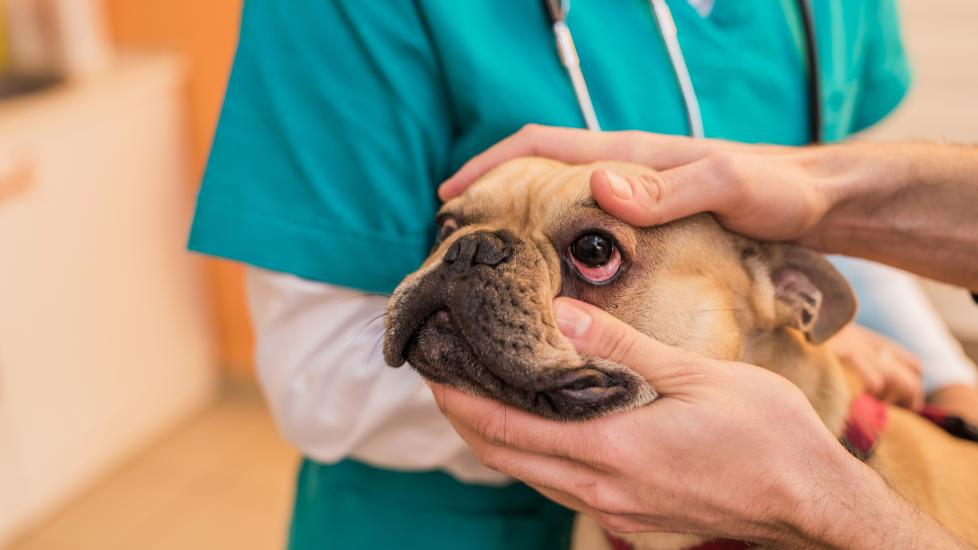
Cherry eye is the common name for a prolapse of the third eyelid gland, a condition that can appear as a pink or red lump at the inner corner of a dog’s eye.
While cherry eye can look alarming, it’s a relatively common and highly treatable condition.
Key Takeaways
- Cherry eye in dogs occurs when the tear gland of the third eyelid slips out of place, appearing as a red lump in the corner of the eye.
- While not painful or an emergency, untreated cherry eye can lead to complications like dry eye and usually requires surgical correction.
- Surgery to reposition the gland is the most effective treatment, followed by a short recovery period and possible long-term tear support if needed.
What Is Cherry Eye in Dogs?
Dogs have a third eyelid (nictitating membrane) that helps protect and lubricate the eye. This membrane has a tear-producing gland that normally stays hidden.
Cherry eye happens when the gland slips out of place and becomes visible as a round, reddish-pink mass near the corner of the eye.
Once exposed, the gland can become irritated or swollen. Cherry eye is not painful, so your dog may not notice the issue.
But over time, the condition can cause eye discomfort, itching, or dryness. Although cherry eye is not an emergency, you should schedule a routine visit with your veterinarian to have it checked out.
Symptoms of Cherry Eye in Dogs
Cherry eye most often appears in young dogs. It typically starts in one eye, but both may eventually be affected. Here’s what to look for at home:
-
A round pink or red lump at the inside corner of the eye
-
Blinking or squinting
-
Pawing or rubbing at the eye
-
A dull or dry look to the eye
Causes of Cherry Eye in Dogs
Cherry eye occurs when the tissue that supports the third eyelid gland and holds it in place is weaker than normal.
Genetics play a large role in the development of the condition, and your dog’s breed is the biggest risk factor for cherry eye happening.
Breeds that are predisposed include:
Age is another factor. This condition most often appears in dogs under 2 years of age.
In large-breed dogs, such as Great Danes, cherry eye can be caused by scrolled cartilage, an abnormality that causes the cartilage supporting the third eyelid to become bent or scrolled.
How Veterinarians Diagnose Cherry Eye in Dogs
Your veterinarian can diagnose cherry eye in dogs with a simple physical exam, as the visible gland is a telltale sign.
Your vet may try to replace the gland back to its normal position to see how quickly it slips out of place. Your veterinarian may also do more eye tests, such as:
-
Fluorescein stain test: A special dye is used to check for ulcers or scratches on the surface of the eye.
-
Schirmer tear test: This test measures tear volume and may be used to find out whether cherry eye is changing your dog’s tear production.
-
Tonometry: This test measures the pressure in your dog’s eyes and can rule out glaucoma if cherry eye isn’t causing your dog’s discomfort.
Tell your vet when you first noticed the problem, whether the gland is always or only sometimes visible, and if it causes discomfort for your dog.
Also, be sure to tell your vet if your dog has a history of other eye problems or surgeries.
Treatment of Cherry Eye in Dogs
The third eyelid gland produces around 30% of a dog’s tears, which help keep the eyes healthy.
An untreated prolapsed gland can become damaged over time, leading to dry eye (keratoconjunctivitis sicca or KCS).
The goal of treatment for cherry eye in dogs is to keep healthy tear production and ensure long-term comfort. The most effective way to do this is through surgical replacement of the gland. Your primary veterinarian or a veterinary ophthalmologist can do the surgery, which uses either strong sutures or a tissue pocket to hold the gland in place.
Gland replacement surgery is the best choice for most dogs.
Removing the gland entirely is not usually recommended or needed, and it can increase the risk of dry eye. Your vet will decide the best surgical option based on your dog’s age, breed, and overall eye health.
Recovery and Management of Cherry Eye in Dogs
Most dogs heal from cherry eye surgery in 10 to 14 days, though the eye will look normal within a few days.
The vet doing your dog’s surgery will likely prescribe eye drops or ointment, such as artificial tears or an antibiotic ointment, that you will give during their recovery to reduce swelling, lubricate the eyes, and prevent infection.
Your dog will also wear a recovery cone or collar for a week or so to prevent them from rubbing the eye and damaging the repaired tissues. If your dog is uncomfortable in a plastic collar, try a padded All Four Paws Comfy Cone E-Collar for Dogs & Cats instead.
There are no sutures to remove after cherry eye surgery, but your vet will recommend a follow-up visit to ensure healing has gone as planned.
Some dogs have a recurrence of the condition and need a second surgery. Your veterinarian may refer you to a specialist or use a different technique to help increase the chances of success the second time.
Some dogs (about 20%) develop tear production problems after having cherry eye surgery. These dogs may need long-term treatment with a tear stimulant medication called tacrolimus or cyclosporine.
Prevention of Cherry Eye in Dogs
Cherry eye in dogs is genetic, so there’s no way to prevent it from developing. Once cherry eye occurs, you can take steps to avoid complications.
These may include:
-
Flushing debris from the eyes and exposed glands with a sterile eye wash, such as Vetericyn Plus Antimicrobial Eye Wash
-
Keeping the eyes and glands from drying out with a gel lubricant, such as Optixcare Dog & Cat Eye Lube Plus Lubricating Gel
-
Supporting healthy tears with omega-3 fatty acid supplements, such as Nordic Naturals Omega-3 Pet Liquid Supplement
If you have a dog breed prone to cherry eye, watch them closely as they grow and schedule a visit with your vet if you notice any concerning eye changes.
Cherry Eye in Dogs FAQs
How do you treat cherry eye in dogs?
Surgery to replace the prolapsed tear gland is the best treatment for cherry eye in dogs. Your vet may also prescribe eye drops or ointments to help reduce inflammation (swelling) and help tear production.
Will cherry eye go away on its own?
Cherry eye won’t go away without surgery. The gland may pop out off and on at first, but the condition usually becomes permanent over time. Delaying treatment can put your dog at risk for complications, such as dry eye.
How much does it cost to fix a cherry eye on a dog?
The cost of cherry eye surgery varies depending on where and when it is done. Some low-cost clinics may charge a few hundred dollars per eye, while surgery with a specialist can cost $2,000 or more. For your dog’s specific case, it’s best to get an estimate from your vet.
Can a dog live comfortably with cherry eye?
Some dogs can live comfortably with cherry eye, but it’s not ideal. The exposed gland often becomes irritated, and the affected eye may make fewer tears over time, increasing the chances of other eye health issues.
References
-
Brooks, Wendy. Cherry Eye in Dogs and Cats. Veterinary Partner. Revised January 20, 2025. https://veterinarypartner.vin.com/default.aspx?id=4951447&pid=19239&utm
-
Nasolacrimal and Lacrimal Apparatus in Animals. Merck Veterinary Manual. Revised September 2024. https://www.merckvetmanual.com/eye-diseases-and-disorders/ophthalmology/nasolacrimal-and-lacrimal-apparatus-in-animals