Dog Blood Transfusions: How Do They Work and Why Would a Dog Need One?



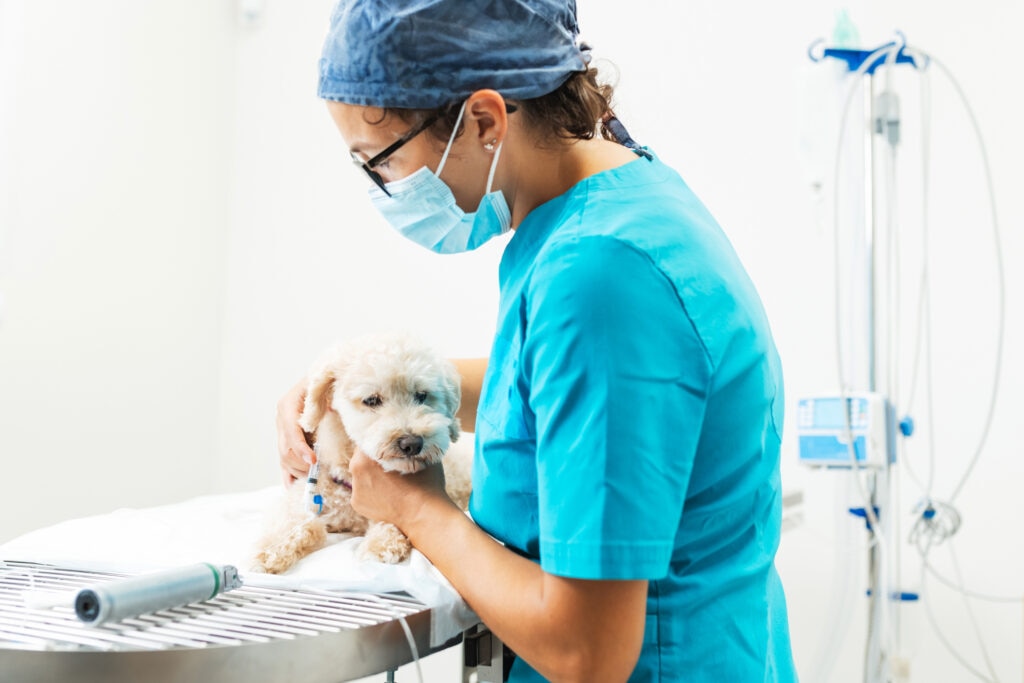
24K-Production/iStock/Getty Images Plus via Getty Images
Key Takeaways
- A dog blood transfusion is a lifesaving procedure used to treat severe anemia caused by blood loss, immune-mediated disease, toxins, or chronic illness.
- Most dogs tolerate their first transfusion well, but proper blood typing is critical for any future transfusions to prevent dangerous reactions.
- While transfusions are generally safe and effective at stabilizing critically ill dogs, they carry risks and are typically performed in emergency settings.
What Is a Dog Blood Transfusion?
A dog blood transfusion is most often performed when a dog has lost significant amounts of blood or their blood cells get destroyed by diseases or toxins. Blood transfusions are recommended when dogs have dangerous anemia. A blood transfusion involves taking blood from a healthy dog and giving it to an anemic dog to help support their body until they’re able to make more of their own red blood cells.
Red blood cells are very important; they carry oxygen throughout the body to help all the different systems do their jobs.
When there are not enough red blood cells, affected dogs become sluggish and weak and their bodies can’t work normally. If the number of red blood cells gets too low, a dog can die.
Sometimes blood transfusions are done when dogs have low amounts of other parts of blood, like platelets.
While blood transfusions are not often needed, they can be lifesaving when dogs have dangerously low red blood cell counts.
How Does a Dog Blood Transfusion Work?
A dog blood transfusion is a short-term solution, buying a pet who is severely anemic time to replenish their lost blood cells.
To do a blood transfusion, the veterinarian will draw blood from a healthy dog free of disease. Some clinics may keep blood products on hand, while others may draw blood from a donor immediately before the transfusion.
Ideally, both dogs will be typed using blood typing cards. There are about 13 blood types in dogs. Each blood type has different proteins that are attached to the wall of their red blood cells.
The dog erythrocyte antigen (DEA) 1.1 is an important protein that veterinarians use to categorize blood types; nearly half of all dogs are positive for DEA 1.1. On their second transfusion, dogs without this protein who can have dangerous reactions to blood that has this protein.
Because most dogs will tolerate the first transfusion well regardless of which dog blood type it is, sometimes dogs don’t get typed in emergency situations.
During the transfusion procedure, the blood collected from the healthy dog is filtered through a commercial blood bag. Your dog’s leg will be shaved and cleaned, and an IV catheter will be placed in their vein.
The new blood will be slowly given to the injured or sick dog through the IV. Vitals are closely watched as the transfusion progresses. Their vitals—like blood pressure, heart rate, and breathing rate—should improve and stabilize with the new blood on board. The blood transfusion will take 1-4 hours depending on how emergent the situation is and how quickly your pup needs blood to be stabilized.
Why Would a Dog Need a Blood Transfusion?
A dog may need a blood transfusion for the following reasons:
-
Blood loss. This can happen in cases of trauma, like when a dog is hit by a car or kicked by a large animal. More commonly, blood loss occurs when a large vascular tumor breaks open in the abdomen.
-
Blood cell destruction. The most common reason for red blood cell destruction is an auto-immune disease called IMHA (immune-mediated hemolytic anemia). In this disease, the dog’s own body is destroying the red blood cells.
-
Clotting disorders. Some dogs are affected by clotting disorders, like von Willebrand disease or severe liver disease, that hurt their ability to clot. Transfusions may be necessary during or after needed surgery.
-
Toxin exposure. Some toxins can destroy blood cells, like platelets. Rodenticides, like mouse or rat bait, can be extremely dangerous and lead to internal bleeding due to platelet destruction. While platelet-rich plasma (PRP) is most used in these circumstances, sometimes whole blood transfusions are done.
-
Chronic disease. Certain chronic diseases, like cancer and kidney disease, can lead to dangerous anemia because they affect the bone marrow and decrease how many red blood cells are made. Occasionally, blood transfusions will be done to try and buy affected pups a little more time.
Risks of a Dog Blood Transfusion
While blood transfusions are usually safe, there are some risks pet parents should know about.
When a dog has side effects from a blood transfusion, it’s called a transfusion reaction. Transfusion reactions occur in about 8% of patients, with the most common reaction being a fever, according to this study.
Some dogs may have an allergy-like reaction to the different blood and develop the following:
-
A fever
-
Increased heart or respiratory rate
More serious side effects would include a drop in blood pressure, labored breathing, or a weak pulse.
Occasionally a dog’s body will reject the new blood and quickly destroy the new red blood cells. This is called hemolysis and can lead to jaundice.
Rarely, a dog may get donor blood that is contaminated with bacteria. This can lead to blood infections later.
Benefits of a Dog Blood Transfusion
Blood transfusions are most often recommended when dogs are critically anemic, meaning their red blood cell count is dangerously low.
A blood transfusion can mean the difference between life and death for these dogs. The new blood helps keep your dog alive while their body starts making new blood cells to replace those that were lost or destroyed.
If your pup isn’t making blood cells well on their own anymore because of an underlying bone marrow cancer or end stage disease, the blood transfusion can buy them a little more time.
Effectiveness of a Dog Blood Transfusion
Dog blood transfusions are very effective at helping to stabilize pets who have had blood loss.
One of the most common reasons for blood transfusions is to help stabilize a dog who has a splenic tumor that has ruptured (broken open). Splenic tumors have a large blood supply. They are also very fragile and can readily rupture. When that happens, a dog can bleed out quickly into their abdomen.
These dogs may need a blood transfusion to make it through surgery to remove the ruptured spleen. A study out of Tufts University showed that 92% of dogs receiving a blood transfusion following a ruptured spleen and surgery made it to discharge from the hospital.
Cost of a Dog Blood Transfusion
The cost of a dog blood transfusion can range from $500 to $3,000 depending on region, the hospital, how severe the blood loss is, and how many units of blood a dog needs.
Because blood transfusions are usually not an expense pet parents are expecting, it may be helpful to explore programs that can help stretch out expenses.
Find a CarePlus insurance plan to match your pet’s needs
Learn about CarePlus, insurance plans with exclusive Chewy benefits


CareCredit is an organization that offers zero to low interest to cover veterinary bills and allows a pet parent to pay them over six months instead of all at once.
You can talk to your veterinarian about other local animal groups that might also be able to help in your area.
Preparation for a Dog Blood Transfusion
Blood transfusions are generally given on an emergency basis. This means that there is little a pet parent can do in preparation for a blood transfusion.
If you have a scheduled transfusion before an elective surgery in a pup that has a clotting disorder or other reason that a blood transfusion will be expected, be sure to withhold food and water after midnight the night before surgery.
Post-Op Care and Recovery for a Dog Blood Transfusion
The specifics of post-op care and recovery time are very dependent upon the reason your dog needed a transfusion.
If your pup had massive trauma, they may be in the hospital for several days, even weeks, after their transfusion.
If your pup has had a splenectomy and blood transfusion, they will need to rest for the next 10–14 days while they are healing. Leash walk only for all outdoor time and avoid letting them run, jump, or play while recovering.
Avoid activities that will get your dog’s heart rate up during the recovery period. Make sure they are getting adequate nutrition during their recovery to support their healing.
Alternatives to a Dog Blood Transfusion
Oxyglobin and crystalloid fluids may be considered as alternatives to a dog blood transfusion. Oxyglobin is like an artificial blood substitute. It works to increase the oxygen in various parts of the body in anemic dogs.
Crystalloid IV fluids can be helpful to replace fluid volume and treat shock in a dog that has lost a lot of blood.
Dog Blood Transfusion FAQs
What is the survival rate for dogs with blood transfusions?
The survival rate varies depending on why they needed a blood transfusion. Fewer than 10% of dogs have transfusion reactions, and most dogs who get blood survive to be discharged from the hospital.
How much does it cost for a blood transfusion for a dog?
Blood transfusions cost anywhere from $500 to $3,000 depending on where you live, how much blood your dog needs, whether they undergo blood typing, and which hospital they’re admitted to.
How successful are blood transfusions for dogs?
Blood transfusions are very successful at temporarily improving anemia and helping stabilize vital signs while treating a dangerously anemic dog.
What happens if a dog needs a blood transfusion?
If a dog needs a blood transfusion, they will slowly be given blood from another healthy dog into their vein. All of their vitals will be closely watched during the procedure to ensure they are improving and that they’re not having any reactions to the new blood. Their blood count will be checked again after the transfusion to ensure they are stable.
References
-
Hall, G. et al. A prospective multicenter observational study assessing incidence and risk factors for acute blood transfusion reactions in dogs. Journal of Veterinary Internal Medicine. Sept.–Oct. 2024.
-
Lynch, A., O’Toole, E., Hamilton, J. Transfusion practices for treatment of dogs undergoing splenectomy for splenic masses: 542 cases (2001–2012). Journal of the American Veterinary Medical Association. Sept. 2015.


