Dog Peeing in the House: Why and How To Stop It


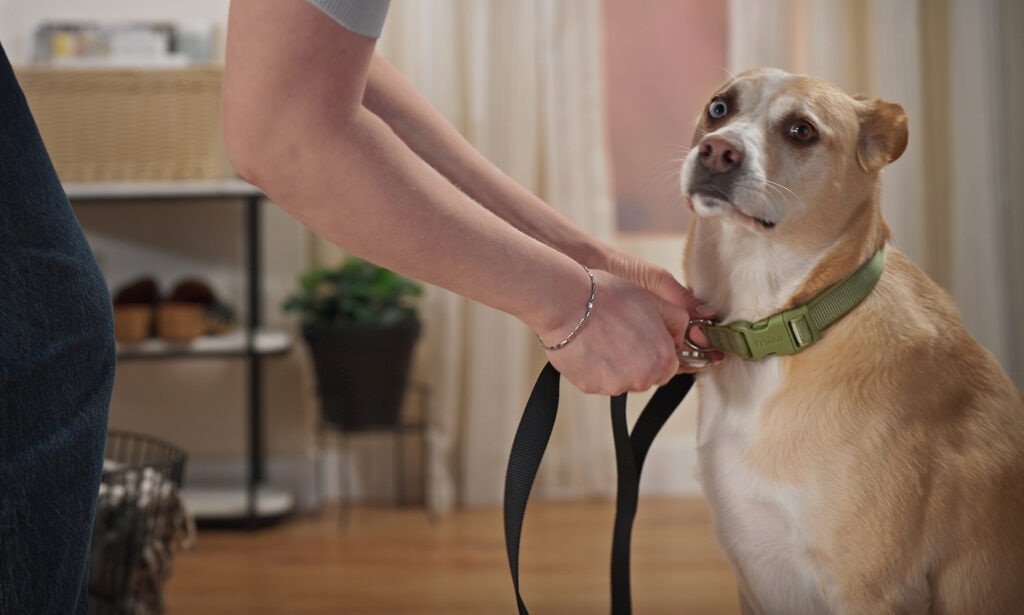
Linda Raymond/E+ via Getty Images
A surprise puddle on the floor is not something any pet parent wants to see—and it can be especially frustrating when you’ve just taken your canine companion outside for a potty break.
As a pet parent, you may wonder how to stop a dog from peeing in the house. This behavior generally stems from a medical or behavioral issue.
If your dog is peeing in the house, contact your veterinarian for a checkup to determine the root cause and start appropriate treatment.
Key Takeaways
- Dogs may pee in the house due to medical issues, behavioral problems, environmental changes, or age-related conditions.
- Identifying the root cause—whether medical or behavioral—is key to addressing the issue effectively.
- Treatment may include a vet exam, increased outdoor potty breaks, training support, and the use of enzymatic cleaners.
Why Is My Dog Peeing in the House?
The most common causes for a dog peeing in the house include:
-
Anxiety or fear. Any dog who is feeling anxious or fearful may have urinary accidents. For some dogs, anxiety may be related to a specific situation, like hearing loud fireworks or dealing with new visitors (whether they are animals or humans).
-
Arthritis. An older dog who is experiencing discomfort or pain from arthritis can also have urinary accidents. Arthritis, or inflammation of the joints, causes degenerative changes in the joints that can cause pain when your dog is trying to stand up and walk around. Because of this joint pain, it can be difficult for a dog to get up to go outside to pee.
-
Bad weather. Bad weather (like a rain or thunderstorm) may be enough for your dog to be reluctant to go potty outside. Other weather changes, like extreme heat or cold, can also make your dog not want to go outside to urinate.
-
Changes in the home. This includes introducing a new pet or person, changing furniture, making home renovations, or moving into a new house. Changes in the home can also cause marking.
-
Changes in schedule. Changes in your work or school schedule or even changing the time of your dog’s daily walk can lead to urinary accidents.
-
Cognitive issues. Elderly dogs with cognitive or neurologic disease may have urinary accidents. Canine cognitive disorder, or dog dementia, typically causes confusion and restlessness in senior dogs. The confusion from this disorder can also cause your dog to pee inappropriately. Other neurologic diseases in dogs can cause problems with the nerves that control the bladder, which can lead to urinary accidents.
-
Incontinence. Incontinence is a common issue that can cause urinary accidents in both young and senior dogs.
-
Marking. Urine marking can occur in both young and older dogs. However, it’s more common in young, intact (unneutered) dogs—especially male dogs.
-
Medication side effects or toxin ingestion. Chronic steroid use can cause a dog to pee in the home, as well as them eating something toxic.
-
Disease. Several conditions—like diabetes, Cushing’s disease, and an enlarged prostate—can cause urinary accidents in the house. Typically, these diseases come with other symptoms, like decreased appetite and lethargy.
-
Overexcitement. While “happy peeing” is more common in puppies, adult dogs can still exhibit this behavior. Happy peeing generally occurs when your dog becomes overstimulated with their surroundings, like when you’re coming home from work or you offer your pup a favorite treat or toy.
-
Setbacks in house training. While most dogs are fully potty-trained well before they are considered an adult, it is not uncommon to see setbacks in housetraining that can lead to urinary accidents.
-
Submissive urination. Submissive urination is a common issue in adult dogs. There are a variety of causes for this issue, including dogs rescued from an abusive environment, dogs who live in a multiple-dog household, and even dogs simply responding to cues from their pet parent.
-
Urinary tract issues. Dogs with a urinary tract infection (UTI) or urinary crystals or stones tend to have accidents in the home.
Health Tools
Get quick answers with our vet-created Symptom Checker
How To Stop a Dog From Peeing in the House
If your dog is peeing in the house, analyzing the situation and working with your vet can help determine the root cause—and understand how to stop it.
To help uncover whether the issue is medical or behavioral, there are several things you can check at home in addition to consulting with your dog’s veterinarian:
-
Evaluate your home, surrounding environment, and daily schedule/routine for any specific changes.
-
Evaluate and monitor your dog for any changes. If they are only having urinary accidents in the house but otherwise acting like usual and eating normally, and their urine looks and smells normal, then it’s likely a behavioral issue.
Alternatively, if your dog is having other symptoms along with the urinary accidents and/or the urine looks or smells different, then it’s likely a medical issue.
If your dog is peeing in the house because of a behavioral issue, you can try to increase the number of times your dog goes outside or put down pee pads in the house (especially for senior dogs).
You will also need to address the underlying cause to see how you can relieve your dog’s anxiety. Your vet can help you identify the cause and form a plan.
Go to the Veterinarian To Rule Out Medical Issues
It’s important for your dog to be examined by their vet—especially if you aren’t noticing improvement after evaluating your home and monitoring your dog.
At your pet’s appointment, provide a detailed history about your pup’s symptoms, including when the symptoms started and any obvious changes to your home or your pet.
Your vet will most likely want to run a urine test to check for obvious issues, like a UTI or urine crystals.
If your dog has other symptoms along with urinary accidents, then a full blood work panel, abdominal X-rays, and an abdominal ultrasound may be recommended.
Identify the Trigger
Take note of whether your dog pees in the house following a specific event or time of day.
Identifying the trigger can be helpful so that you can reduce your dog’s exposure to it.
Keeping a journal with dates and times of the incidents can help you recognize patterns.
Take Your Dog Out To Potty More
If your dog is having accidents, adding more outdoor potty breaks with praise or treats can encourage your dog to urinate outside rather than in your house.
It’s important to use positive reinforcement rather than punishment for the best outcome.
If your dog has an accident, simply bring them outside to potty and provide them a treat rather than making a big deal about the puddle inside.
Use Enzymatic Cleaners
Because urine is strong and potent, cleaning accidents in the house generally requires an enzymatic cleaner, like Nature's Miracle Enzymatic Formula Advanced Dog Stain & Odor Eliminator.
These products help neutralize odors and remove stains so that your dog is not inclined to urinate in the same spot repeatedly.
Hire a Trainer or Behaviorist
If you have ruled out medical issues, tried implementing more potty breaks, and identified triggers and your dog is still peeing in the house, it may be time to contact a veterinary behaviorist.
A professional can give insight to your specific situation and provide a training program or other helpful tips to curb this behavior.
Dog Peeing in the House FAQs
When should I be worried about my dog peeing inside?
If your dog is having consistent accidents despite being let outside to potty regularly, it’s a good idea to check with your veterinarian to rule out any underlying medical issues.
If no medical issues are present, your vet can give you steps to take to eliminate the accidents.
Why is my dog peeing on my bed?
Dogs may pee anywhere in the house due to medical or behavioral issues.


