Autoimmune Disease in Cats: Types and Symptoms To Watch Out For



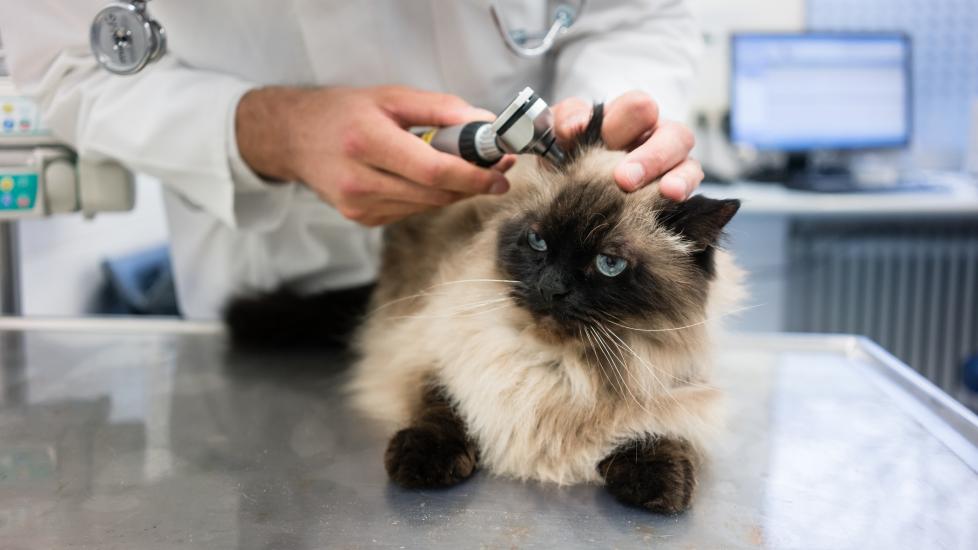
EyeEm Mobile GmbH/iStock/Getty Images Plus via Getty Images
Autoimmune diseases in cats are a group of conditions that result from a dysregulated immune system (one that’s not working properly). There are various types of autoimmune diseases, each with unique symptoms that pet parents should be aware of.
The earlier an affected cat gets veterinary treatment, the greater likelihood the cat will have a positive outcome.
Key Takeaways
- Autoimmune diseases in cats cause the immune system to attack the body, leading to chronic inflammation.
- Common types include pemphigus foliaceus, hemolytic anemia, and inflammatory bowel disease.
- Diagnosis requires lab tests, biopsies, and imaging based on symptoms.
- These conditions aren't curable but can be managed with consistent veterinary care.
What Is Autoimmune Disease in Cats?
Autoimmune diseases in cats occur when a feline’s immune system becomes dysregulated and does not function normally. This means that the cat’s own immune system mistakenly sees its own body’s cells as foreign and begins attacking and destroying them.
Cats with autoimmune diseases need long-term treatment to manage their conditions and maintain a good quality of life.
Autoimmune diseases can become medical emergencies if symptoms become severe, such as if the cat is having difficulty breathing, is extremely lethargic, or is not eating.
If you notice any concerning symptoms in your cat, bring them to a veterinarian immediately.
Types of Autoimmune Disease in Cats
The most common types include the following:
-
Pemphigus foliaceus. This disease occurs when the immune system attacks a cat’s own skin cells. This leads to painful blisters and open wounds on the skin, specifically on the paw pads and face.
-
Immune-mediated hemolytic anemia. This disease occurs when a cat’s immune system attacks and destroys its own red blood cells. Without enough red blood cells, the cat’s organs and tissues don’t get enough oxygen to work properly.
-
Glomerulonephritis. This disease occurs after the immune system attacks part of the kidney that filters out waste from the cat’s blood, and it can ultimately lead to kidney failure.
-
Anterior uveitis. When a cat’s immune system attacks the front part of the eye, including the iris and ciliary body, a cat’s eye can become severely inflamed (swollen) and have vision problems.
-
Inflammatory bowel disease. Cells within the intestines are attacked and destroyed by the cat’s immune system, which leads to thickened intestines due to severe inflammation.
Symptoms of Autoimmune Disease in Cats
There are several symptoms of autoimmune disease in cats, each specific to the type of illness affecting the pet. Many cats with autoimmune diseases have lethargy, decreased appetite, and enlarged lymph nodes.
Other potential symptoms cats may have include the following:
Pemphigus foliaceus
-
Open sores and blisters on skin
-
Skin crusting
-
Painful nail beds
Immune-mediated hemolytic anemia
-
Weakness
-
Yellow discoloration of the eyes and skin (jaundice)
-
Increased breathing rate
Glomerulonephritis
Anterior uveitis
-
Eye pain
-
Squinting
-
Reddened sclera (white part of the eye)
-
Light sensitivity
-
Frequent blinking
-
Eye discharge
Inflammatory bowel disease
-
Vomiting
-
Weight loss
-
Painful abdomen
-
Bloating and gas
Causes of Autoimmune Disease in Cats
While we don’t know the exact reason for autoimmune disease in cats, there are several possible causes that may contribute.
These include:
-
Genetics
-
Bacterial or viral infections, such as feline leukemia virus
-
Food allergies
Some purebred cats, such as Persians and Himalayans, are predisposed to developing autoimmune conditions, likely due to genetics.
While both sexes can be affected, many of the autoimmune conditions are more likely to occur in females. Middle-aged cats are also at an increased risk compared to other age groups.
How Veterinarians Diagnose Autoimmune Disease in Cats
If you notice any symptoms of autoimmune disease in cats, it’s important to bring your pet to a veterinarian for a checkup.
The veterinarian will ask when the symptoms first began, what your cat’s diet is, and their medical and vaccination history.
To figure out the underlying cause for the symptoms, the veterinarian may do the following tests:
-
Physical exam: A veterinarian does a thorough head-to-toe check of the cat’s overall health, noting any abnormalities.
-
Blood work: A small sample of blood is taken to check overall health, including blood cell counts, organ function, and electrolytes.
-
Skin cytology: The cat’s skin cells—specifically areas of crusting or with open sores—are gently scraped, placed onto a glass slide, stained, and viewed under the microscope to find abnormalities.
-
Skin biopsy: A small piece of the cat’s skin is removed and sent to a special laboratory for a definitive diagnosis of disease. This can be done using local anesthesia or sedation.
-
Urinalysis: A small sample of the cat’s urine is checked for abnormalities that could show disease, such as abnormal concentration, protein loss, and blood.
-
Ophthalmic exam: This exam thoroughly checks the cat’s eyes using special tools, such as an ophthalmoscope. The veterinarian will also check the eye pressures using a tonometer and stain the eyes with fluorescein to check for ulcers.
-
Imaging: Cats who have gastrointestinal symptoms may benefit from an abdominal ultrasound or X-rays to find abnormalities, such as thickened intestines. A small sample (biopsy) of intestine can be collected while the cat is sedated for a definitive diagnosis.
Treatment of Autoimmune Disease in Cats
Treatment for autoimmune diseases in cats consists of long-term medication management to control the symptoms.
The most common treatments include the following:
-
Immunosuppressants, such as Atopica
-
Corticosteroids, such as prednisolone
-
Blood transfusions
-
Antibiotics, such as Clavamox, for secondary bacterial infections
-
Topical ointments, such as Animax
Additional medications may be prescribed by your veterinarian for your cat’s specific condition.
Autoimmune diseases in cats are not curable and require long-term treatment to successfully manage symptoms.
Recovery and Management of Autoimmune Disease in Cats
Cats with severe illness need hospitalization and supportive care for a few days until they are stable enough to continue recovery at home. The exact length of time for this varies depending on symptoms and how well a cat responds to treatment.
While pets are recovering, it’s important to provide them a quiet and private space to reduce overall stress levels. Providing a cozy cat bed, like this Best Friends bed, can encourage rest and a quicker recovery.
Cats with autoimmune diseases need regular and frequent follow-up care with their veterinarian to manage their condition and make sure they stay stable.
Ensure you always keep any scheduled follow-up appointments with your veterinarian and give any medications at home exactly as prescribed. Always contact your veterinarian with any new symptoms or concerns.
Prevention of Autoimmune Disease in Cats
Unfortunately, most autoimmune diseases in cats can’t be prevented.
However, pet parents can encourage their cat’s overall health through regular wellness care, routine vaccinations, and feeding a complete and balanced diet.
Ensuring cats aren’t exposed to environmental toxins and chemicals may reduce their risk; decreasing stress in their environment overall might also help.
Autoimmune Disease in Cats FAQs
What is the most common autoimmune disease in cats?
While there are many autoimmune diseases in cats, pemphigus foliaceus is the most seen.
Can a cat recover from autoimmune disease?
A cat can recover from autoimmune disease through the right treatment and long-term management; however, autoimmune diseases are not curable.
What are the first signs of autoimmune diseases?
Signs related to autoimmune diseases vary, but cats commonly have decreased appetite, lethargy, and weight loss.
What to feed a cat with autoimmune disease?
Cats with autoimmune diseases may need special diets prescribed by a veterinarian. It’s important to follow your veterinarian’s guidance to know what to feed your cat based on their unique needs and condition.