Kennel Cough in Dogs: Symptoms, Causes, and Treatment



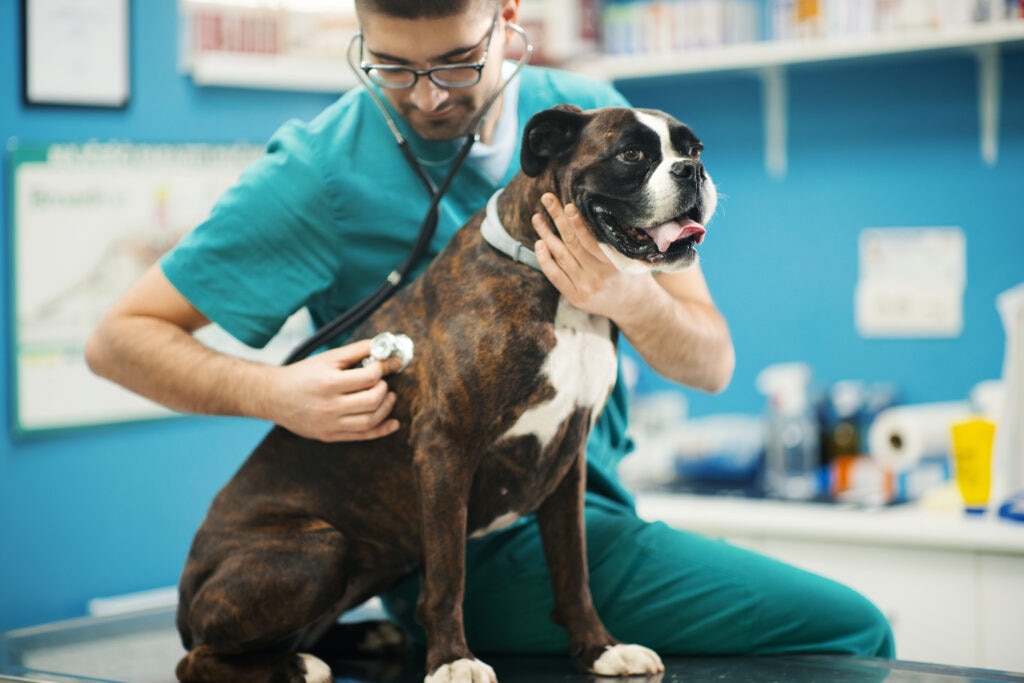
gilaxia/E+ via Getty Images
Kennel cough in dogs is a highly contagious respiratory infection that commonly spreads anywhere dogs gather, such as boarding facilities, grooming salons, and dog daycares.
Although many dogs recover with rest and supportive care, some develop more severe illness and require veterinary treatment.
Here’s what you need to know about kennel cough symptoms, causes, treatment, recovery, and prevention.
Key Takeaways
- Kennel cough is a highly contagious respiratory infection.
- The classic symptom is a dry, honking cough.
- Most dogs recover within 10–14 days.
- Puppies, senior dogs, and brachycephalic breeds are at greater risk for complications.
- Vaccination and limiting exposure help reduce risk.
What Is Kennel Cough in Dogs?
Kennel cough is a highly contagious respiratory infection that spreads easily from dog to dog and most commonly causes a persistent, honking cough.
Also known as canine infectious respiratory disease (CIRD), kennel cough is one of the most common respiratory illnesses in dogs and is frequently spread in places where dogs gather, such as boarding facilities, grooming salons, and dog daycares.
The characteristic cough can persist for several days to several weeks, even as many dogs otherwise continue to feel well.
Although kennel cough is generally not considered a medical emergency, dogs with severe symptoms, puppies, senior dogs, or dogs with underlying health conditions should be evaluated by a veterinarian. Many uncomplicated cases resolve with supportive care and time.
Symptoms of Kennel Cough in Dogs
The most common symptom of kennel cough is a persistent, dry, honking cough, although some dogs develop additional respiratory or flu-like signs.
Symptoms of kennel cough may include:
- Honking or persistent cough
- Gagging or retching
- Runny nose or watery eyes
- Sneezing
- Decreased energy
- Vomiting (less common)
While many dogs remain bright and active despite coughing, worsening symptoms such as lethargy, difficulty breathing, decreased appetite, or colored nasal discharge should prompt a veterinary examination.

Causes of Kennel Cough in Dogs
Kennel cough can be caused by several viruses and bacteria, and many dogs are infected with more than one organism at the same time.
Pathogens commonly associated with kennel cough include:
- Canine influenza virus
- Canine respiratory coronavirus
- Canine adenovirus type 2
- Canine parainfluenza virus
- Canine herpesvirus
- Canine distemper virus
- Mycoplasma
- Bordetella bronchiseptica
- Streptococcus zooepidemicus
These infectious organisms spread easily from dog to dog through:
- Airborne respiratory droplets produced when infected dogs cough
- Shared food and water bowls
- Shared environments and surfaces
- People who handle an infected dog and then immediately handle another dog
Kennel cough can affect dogs of any age, breed, or sex. However, some dogs are at greater risk of severe disease.
Dogs at increased risk include:
- Brachycephalic breeds, such as English Bulldogs, French Bulldogs, and Pugs, because their shortened airways may already be compromised.
- Dogs that frequently visit boarding facilities, grooming salons, dog daycares, training classes, dog parks, or other places where many dogs gather.
How Veterinarians Diagnose Kennel Cough
Veterinarians usually diagnose kennel cough based on your dog's symptoms, medical history, and physical examination.
One of the most helpful diagnostic clues is the characteristic cough itself. If your dog isn't coughing during the appointment, bringing a video recorded at home can help your veterinarian evaluate the cough.
Be sure to tell your veterinarian if your dog is lethargic, has a decreased appetite, or is showing other signs of illness, as these symptoms may indicate a more serious respiratory infection.
Depending on your dog's condition, your veterinarian may recommend additional testing, including:
Treatment of Kennel Cough in Dogs
Most dogs with kennel cough recover with rest and supportive care, although some require medication depending on the severity of their symptoms.
Supportive Care
Many uncomplicated cases improve without additional treatment. Rest and limiting activity are often all that's needed while your dog's immune system clears the infection.
Medications
Your veterinarian may prescribe a cough suppressant, such as Cough Tablets®, to help reduce coughing and allow your dog to rest more comfortably.
Some dogs also require antibiotics, such as doxycycline, if they develop signs of a bacterial upper respiratory infection, including:
- Green or yellow nasal discharge
- Lethargy
- Decreased appetite
Fortunately, kennel cough is usually curable and most dogs recover after 10–14 days of rest.
Managing Kennel Cough in Dogs
Most dogs recover from kennel cough within one to two weeks, although supportive care at home is important while they heal.
To help prevent the spread of infection, keep your dog at home and avoid contact with other dogs for at least two weeks after they have stopped coughing.
Puppies and senior dogs are at greater risk for complications because of their immature or weakened immune systems. If your puppy or older dog develops kennel cough, contact your veterinarian for guidance.
Supportive care during recovery includes:
- Monitoring your dog's food and water intake.
- Encouraging eating if your dog's appetite decreases.
- Using probiotics, such as Purina FortiFlora® or Nutramax Proviable®, if recommended by your veterinarian.
- Allowing your dog to breathe warm, humid air by sitting with them in the bathroom while you take a hot shower. The steam may help soothe irritated airways.
How To Prevent Kennel Cough in Dogs
The best ways to help prevent kennel cough are vaccination and reducing your dog's exposure to infected dogs.
The Bordetella vaccine (often called the kennel cough vaccine) helps protect against Bordetella bronchiseptica, one of the most common causes of kennel cough.
Although vaccination can significantly reduce your dog's risk of developing kennel cough or lessen the severity of illness, it does not protect against every virus and bacterium that can cause canine infectious respiratory disease.
To further reduce your dog's risk:
- Avoid crowded places where large numbers of dogs gather whenever possible, such as boarding facilities, dog daycares, and grooming salons.
- If you board your dog, choose a facility that requires proof of Bordetella vaccination for all dogs.
- Consider using an in-home pet sitter instead of boarding if your dog is at higher risk for respiratory infections.
Kennel Cough in Dogs FAQs
How do you treat kennel cough in dogs?
Most dogs with kennel cough recover with supportive care and rest.
Some dogs may also benefit from cough suppressants, while antibiotics may be prescribed if a bacterial infection is suspected.
Will kennel cough go away on its own?
Yes. Many cases of kennel cough resolve on their own within 10–14 days.
However, puppies, senior dogs, and dogs with more severe symptoms should be evaluated by a veterinarian.
What are the first signs of kennel cough in dogs?
The first sign of kennel cough is usually a persistent, dry, honking cough.
Some dogs may also develop gagging, sneezing, or mild nasal discharge.
Is kennel cough contagious to humans?
No. Kennel cough is not contagious to people.
However, it spreads very easily from dog to dog through respiratory droplets and contaminated surfaces.
Should I bring my dog to the vet for kennel cough?
Many mild cases of kennel cough improve without extensive treatment, but some dogs should be examined by a veterinarian.
Contact your veterinarian if your dog:
- Becomes lethargic
- Develops green or yellow nasal discharge
- Has a productive cough
- Has difficulty breathing
- Stops eating or drinking
- Shows any other severe symptoms
Puppies, senior dogs, and dogs with underlying health conditions are at greater risk of complications and should be evaluated promptly if they develop signs of kennel cough.
Can dogs get kennel cough more than once?
Yes. Because kennel cough can be caused by several different viruses and bacteria, dogs can become infected more than once during their lifetime.
How long is kennel cough contagious?
Dogs are generally considered contagious while they are coughing and for about two weeks after the cough has resolved, which is why isolation is recommended during recovery.
Can vaccinated dogs still get kennel cough?
Yes. The Bordetella vaccine helps reduce the risk and severity of kennel cough but does not protect against every virus or bacterium that can cause the disease.


