Yorkshire Terrier (Yorkie)




iStock/VioletaStoimenova
The tiny Yorkshire Terrier, affectionately known as the Yorkie, is a spunky and often entertaining companion.
Before the breed’s current role as a popular lapdog, Yorkies were thought to chase rodents in textile mills for Scottish weavers who migrated to England in the mid-1800s, according to the Yorkshire Terrier Club of America.
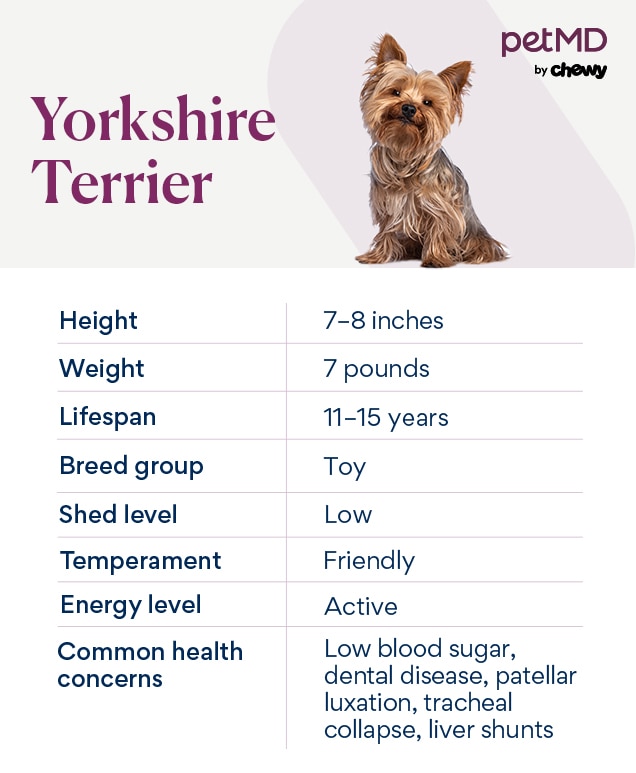
A full-grown Yorkie stands all of 7–8 inches tall and weighs up to 7 pounds, but their energetic and feisty personality does not reflect their small stature. Perhaps the most notable physical characteristic is the Yorkie’s long, straight blue and tan hair that’s often trimmed short into a fashionable haircut.
Caring for a Yorkie
Yorkshire Terriers are affectionate, playful, and sometimes bossy little dogs that have a lot of energy and need to be mentally stimulated.
Are Yorkies a Good Family Dog?
Yes, Yorkies make wonderful family pets, whether you live in an apartment or a big house with room to run.
That said, they might not be the best pick for a family with very young children. This is because Yorkshire Terriers are very small dogs and can be easily hurt during play. So, make sure all playtime between kids and Yorkies is supervised, and that your kids are taught how to safely interact with dogs.
How Much Grooming Does a Yorkshire Terrier Need?
Yorkies have extensive grooming needs due to their long, hair-like coats. They also don’t tolerate cold weather well, so you might need to protect them with dog coats or stylish sweaters.
How Much Exercise Does a Yorkie Terrier Need?
Yorkies are small dogs with moderate exercise needs—two 15-minutes walks, plus some playtime right in your living room, is enough to keep them well-exercised and happy.
Yorkshire Terrier Temperament and Personality
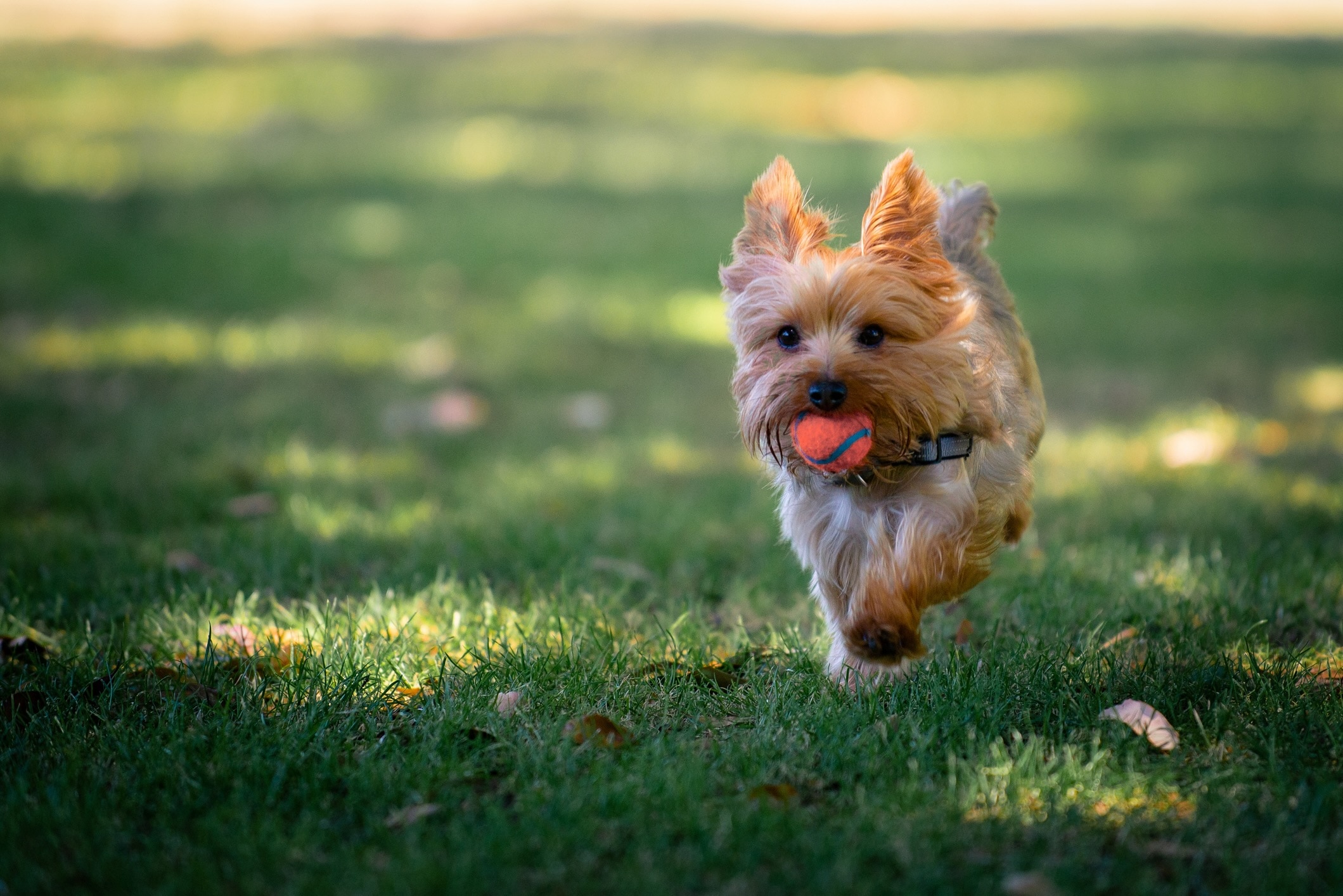
The Yorkie’s temperament is brave and bossy. They are typically affectionate with family and strangers alike, though every dog is an individual.
Are Yorkies Good With Kids and Other Pets?
Some Yorkies are gentle with children and other pets, though adult supervision is always important when these dogs are around children or other animals. This is especially important with little Yorkies, who can accidentally be hurt when playing.
Training and Behavior Tips for Yorkshire Terriers
Yorkie puppies need to be socialized from the moment you bring them home. This will help your dog be the friendliest and most confident they can be when out in the world.
Do Yorkies Bark a Lot?
Despite the Yorkie’s small stature, their oversized personality means they think of themselves as much larger than they are, and they can be excessive barkers.
But if you teach them to be quiet, Yorkshire Terriers are easy partners for apartment living—as long as they get a lot of mental stimulation and chances to play. For the most part, Yorkies are curious and confident companions.
Are Yorkies Easy To Train?
Despite their remarkable intelligence, Yorkies are not always easy to train. They can be willful and many are not especially food-motivated, which can make training more difficult.
Training is most successful when based on positive reinforcement with praise and tasty treats. Keep sessions short and fun to keep your Yorkie pup engaged.
What Are Fun Activities for Yorkies?
-
Nose work
-
Puzzles
-
Fetch
Yorkie Health Issues

The typical Yorkie lifespan is long, at 11–15 years. Yorkshire Terriers are a relatively healthy breed, but they do have their share of medical issues. Pet health insurance might be a good investment when bringing home a Yorkie puppy.
Hypoglycemia
Small-breed and toy dogs are at risk for hypoglycemia (low blood sugar). Yorkie puppies are especially sensitive and should be fed frequently. Signs of hypoglycemia may include:
-
Weakness
-
Disorientation
-
Tremors
Call your veterinarian if your Yorkie is showing signs of hypoglycemia.
Dental Disease
Dental disease is one of the most common conditions seen in dogs as they age, especially in small breeds like the Yorkshire Terrier. Bacteria-laden tartar and plaque lead to inflammation of the tissues around the teeth, and eventually to tooth and bone decay.
The best way to prevent dental disease is with daily toothbrushing using a pet-specific toothpaste.
Routine dental cleanings under anesthesia are recommended for Yorkshire Terriers to evaluate the mouth, remove plaque and tartar, polish teeth to help prevent future buildup, and treat or extract teeth that are significantly unhealthy.
Patellar Luxation
The patella (kneecap) is a small bone that normally sits in a groove within the femur at the knee. In dogs with patellar luxation, the patella moves (luxates) outside of its designated groove.
This can cause discomfort and may lead to osteoarthritis. In mild cases, anti-inflammatory medications and joint supplements may be enough to control pain. In cases of severe luxation, your dog might need surgery to secure the kneecap.
Tracheal Collapse
Tracheal collapse occurs when the trachea (windpipe) flattens. This happens due to a weakening of the trachea's C-shaped cartilage rings, which causes the muscle that connects the edges of the C to sag. Yorkshire Terriers are likely genetically predisposed to tracheal collapse.
Symptoms include a dry cough that may be worse when your Yorkie is active or gets excited. Most cases are treated using medications, but in severe cases where breathing is impeded, surgical intervention may be necessary.
To prevent and manage this condition, weight control is a necessity. When on walks, use a harness instead of a collar, as excessive pressure on the trachea can cause damage.
Liver Shunt (Portosystemic Shunt)
A liver shunt occurs when an abnormal connection between the blood vessels in or around the liver exists and blood bypasses (shunts) the liver. Because the blood doesn’t get filtered by the liver, toxins (like ammonia) build up in the bloodstream.
Signs of a liver shunt include slow growth, disorientation, circling, and sometimes seizures. These symptoms tend to be worse after a high-protein meal.
Most cases of liver shunts in Yorkie dogs are caused by a birth defect. Diagnosing a liver shunt may require blood tests, abdominal ultrasounds, CT/MRI scans, or even exploratory surgery.
In some cases of liver shunts, the only necessary treatment is a diet change plus medications to reduce the production of ammonia and other toxins. In other cases, surgery is required.
What To Feed a Yorkie

Feeding a commercial kibble or wet dog food approved by the Association of American Feed Control Officials (AAFCO) is a good way to ensure that your Yorkshire Terrier receives a complete and balanced diet.
The Best Diet for Yorkie Puppies and Adults
Yorkie puppies should be fed a diet formulated specifically for puppies or designated for “all life stages.” For adults, a dental-focused diet may be recommended by your veterinarian to help prevent dental disease.
There are also breed-specific formulas, like Royal Canin’s Breed Health Yorkshire Terrier Puppy Food and Adult Food. Ask your vet if these are good options for your dog.
How To Feed a Yorkie
Because Yorkies are small dogs, adults do well with two to three feedings per day. Yorkie puppies, however, should eat three to four small meals per day to help maintain their blood sugar.
A kibble designed for small mouths is best for Yorkshire Terriers.
How Much Should You Feed a Yorkie?
Just like in humans, the recommended caloric intake for a Yorkie varies from dog to dog and depends on your pup’s physical size, metabolism, neuter status, and activity level.
The best way to determine your dog’s meal sizes is to talk with your veterinarian, who can calculate your Yorkshire Terrier’s caloric needs. Additionally, the feeding guide labels on dog food provide valuable information.
Just remember: In small breeds like the Yorkie, calories in dog treats add up quickly. Treats should never make up more than 10% of a dog’s daily calories, so offer them mindfully.
Nutritional Tips for Yorkies
Healthy Yorkshire Terrier dogs should receive all necessary nutrients from their AAFCO-approved dog food. But your veterinarian may recommend certain supplements for your dog depending on their specific health needs.
Yorkies may benefit from omega-3 fatty acids (DHA/EPA) in their diet. Omega-3 fatty acids act as natural anti-inflammatories that help to support the skin, coat, kidneys, joints, and heart, and they can be found in skin and joint supplements, fish oil, and some specially formulated dog foods, such as Purina Pro Plan Bright Mind dog food.
Yorkie Grooming Guide
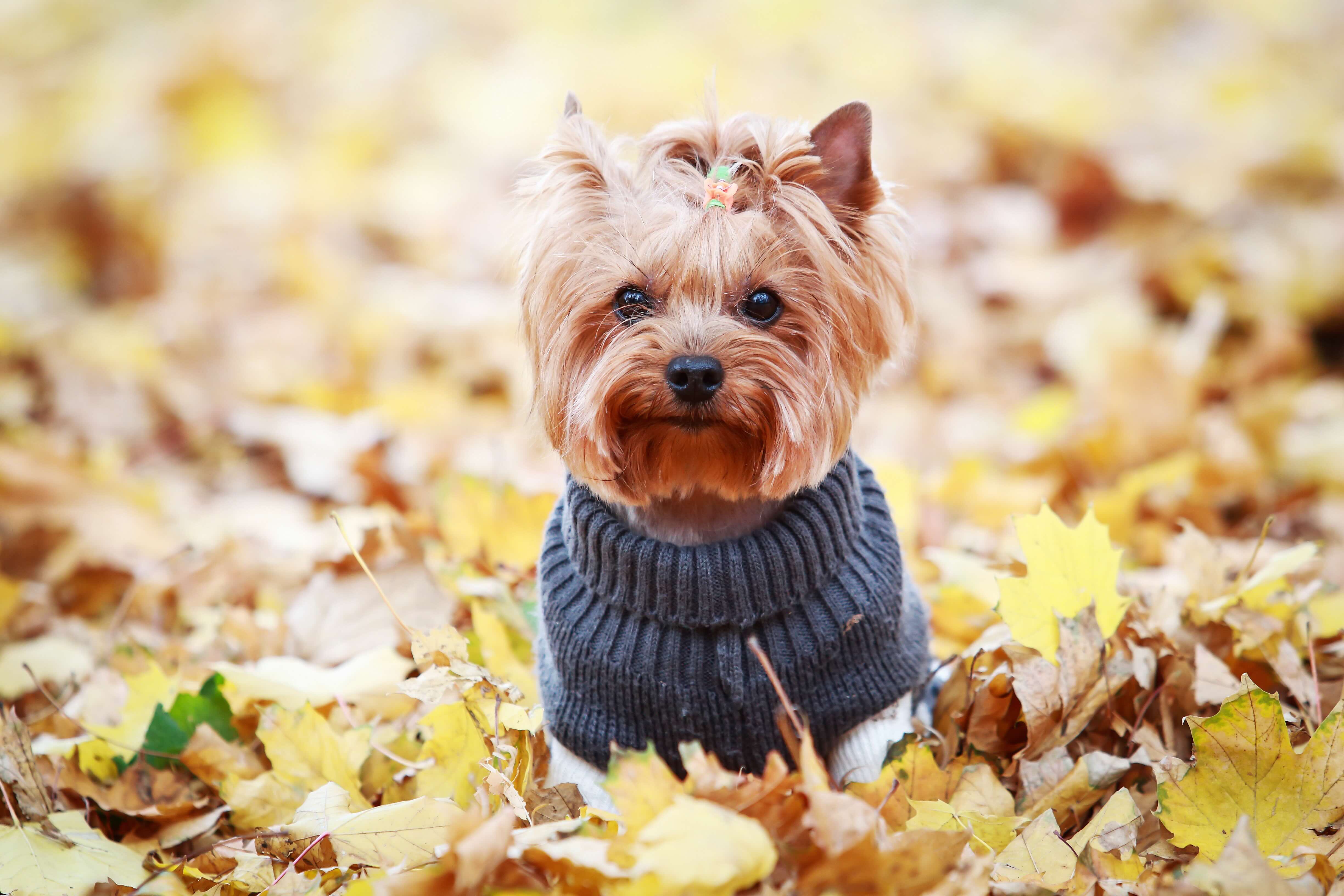
This breed has a long, silky coat that’s sometimes trimmed into a short Yorkie haircut. They require a significant amount of grooming and home care, especially if they have a full-length coat.
Skin Care
Some Yorkies will develop dry, flaky skin. Bathing your dog with a moisturizing shampoo and/or giving them an omega-3 supplement will help prevent this. That said, Yorkie dogs should not be bathed more than every two weeks, as this may strip the natural oils from the skin.
Yorkies are prone to blocked pores in their skin, which can cause bumps and inflammation. Special shampoos, such as those that contain benzoyl peroxide, can be used to help flush out the pores.
Coat Care
If your Yorkshire Terrier’s coat is kept full-length, daily brushing is needed to prevent tangles and knots. If the coat is in a short puppy cut, once-a-week brushing is usually enough. A small pin brush, like the Kenchii Oval Metal Pin Brush, will usually do the trick.
Professional grooming is frequently used to help maintain a healthy and attractive coat. Plan on taking your Yorkie to the groomer every six to eight weeks for a haircut.
Eye Care
Yorkies often develop tear stains at the corners of their eyes. Wiping their eyes with a wet cloth or daily use of an eye cleaning solution, like Angels' Eyes Multi-Purpose Sterile Eye Wash, will help prevent buildup.
No matter the coat length, a Yorkie’s hair around the eyes should be pulled back or kept short. This will prevent their hair from irritating their eyes or obscuring their vision.
Ear Care
Checking your dog’s ears weekly and cleaning them if they're dirty can help prevent ear infections. If you notice a heavy amount of debris or redness, schedule a vet visit—this could be a sign of an infection.
Ask your veterinarian about which dog ear cleaner they recommend for your Yorkshire Terrier.
Dental Care
Because Yorkies are prone to dental disease, keeping up with their dental care is important. Brush your dog’s teeth every day using a veterinarian-recommended dog toothbrush and toothpaste.
Talk to your vet about how often your dog needs a professional dental cleaning and whether they recommend any extra steps for protecting your Yorkie’s teeth, such as dental chews, a prescription dental diet, or a dental water additive.
Considerations for Pet Parents
Yorkies can make wonderful companions, even if they tend to be a little bossy and barky.
But before you bring home a Yorkie puppy, research pet insurance plans, as this small breed is prone to health conditions including liver shunts and hypoglycemia. Special attention should be given to their oral hygiene, too, as daily tooth brushing will delay dental disease.
And remember: Yorkshire Terriers require frequent brushing and regular grooming, even if you keep their coat cut short.
For a family dedicated to keeping up with their dog’s healthcare and grooming needs, a Yorkshire Terrier can be a great choice.
Yorkie FAQs
How long do Yorkies live?
The Yorkie lifespan is 11–15 years, on average.
How big do Yorkies get?
Full-grown Yorkies usually reach a height of 7–8 inches and weigh up to 7 pounds.
Are Yorkies hypoallergenic?
Because of their coat, Yorkshire Terriers are often considered to be hypoallergenic dogs. However, there is no such thing as a truly hypoallergenic dog, as all dogs produce potential allergens. But Yorkies can make a good fit for some people with allergies.
Before bringing home a Yorkshire Terrier puppy, spend time with the breed to see how your allergies react.
How much do Yorkies cost?
Purchasing a Yorkshire Terrier puppy from a breeder can cost $800–$2,500. Dogs of certain lineage may cost more. You can also find Yorkies for adoption at shelters and breed-specific Yorkie rescues.
Are Yorkies high-maintenance?
Yorkies can be high-maintenance in regard to their grooming needs. This is especially true if they keep their floor-length coat, which needs to be brushed daily to prevent knots. A shorter Yorkie haircut is much easier to manage for the busy pet parent.
Should I buy a teacup Yorkie?
No, do not buy teacup Yorkies or any other dog labeled as “teacup.” Teacup dogs have been bred to be as tiny as possible, often at the expense of the dog’s health. Be wary of any Yorkie breeders that advertise teacup dogs.