Pug



iStock/nimis69
The Pug is an ancient dog breed that originated in China around 2,000 years ago. The Pug became a favorite of royals around the world, and today they are a very popular dog breed.
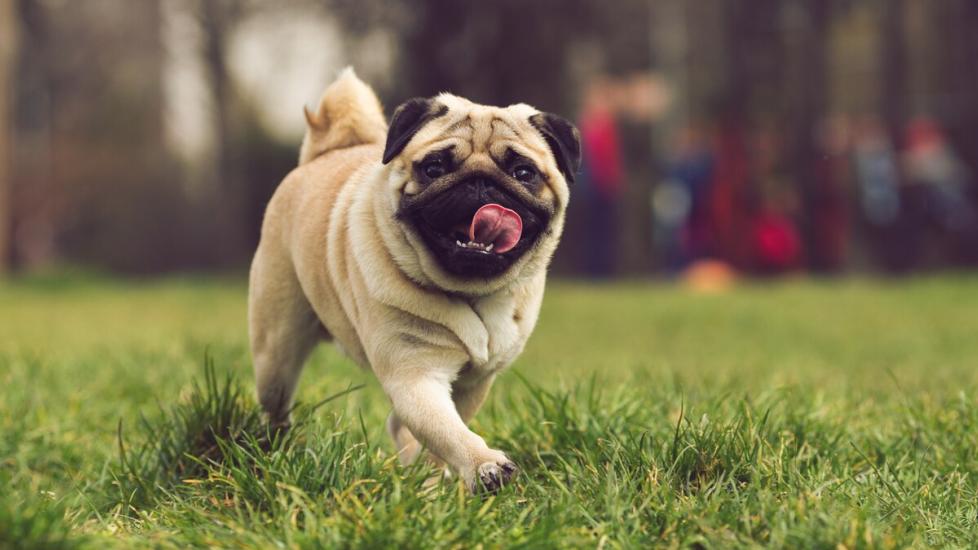
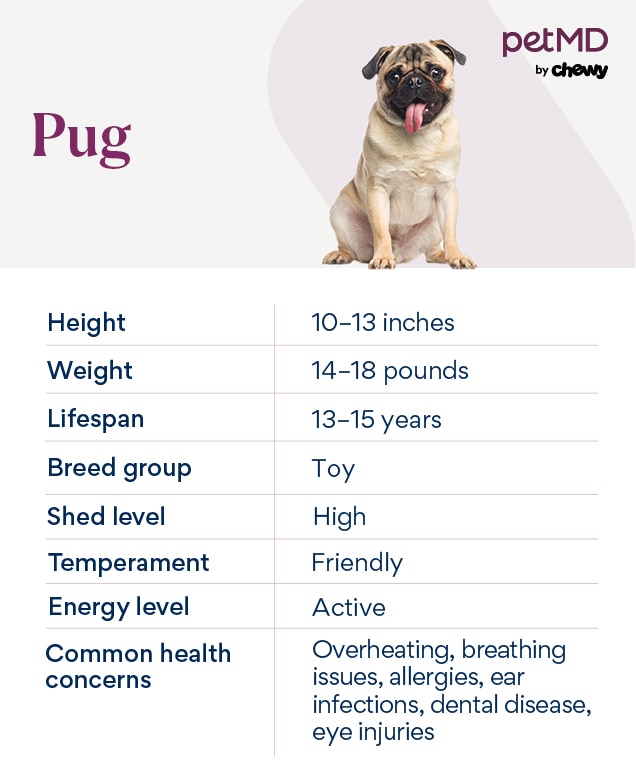
Pug dogs are typically 10–13 inches tall and weigh 14–18 pounds. They have a short coat that’s typically fawn (tan) or black, and Pugs are easily identifiable due to their flat, wrinkly face; curly tail; and snortlike, loud breathing.
Caring for a Pug
Pugs are a very friendly dog breed that thrive on attention from their pet parents. They are people pleasers and like to feel included in the day-to-day happenings in their home.
Do Pugs Snore?
Pugs are a brachycephalic breed. This means they have a short muzzle, flat face, narrow nostrils, and narrow airways—and often have an elongated soft palate. The elongated soft palate can cause a blockage to the windpipe entrance, creating the typically loud snoring and breathing noises they produce.
Though this can be cute, Pugs’ skull shape means they breathe with more effort than dogs with a normal-size muzzle. This creates swallowed air, which also leads to Pugs being gassier than most dogs. It also means that Pugs do not do very well in overly hot climates or with extreme exercise.
How Much Exercise Do Pugs Need?
Several short walks (about 15–20 minutes each) is a good exercise routine for most Pugs.
While Pugs do have moments of high energy, they are generally calm couch potatoes. They are not physically good candidates for high-energy exercise, such as running or agility, but low-key activities like casual walks or a quick game of fetch are fun for them.
Because of their flat face, Pugs do best as primarily indoor dogs with controlled excursions outside. Pet parents need to be aware of signs of respiratory distress or overheating in their dog.
Are Pugs Good Dogs for First-Time Pet Parents?
Pugs can make great dogs for first-time pet parents because they are friendly and don’t need a ton of exercise. But they do need pet parents who are patient, doting, and willing to be proactive about their dog’s health.
Do Pugs Shed a Lot?
The Pug’s short fur sheds moderately year-round, with heavier shedding periods in the spring and fall. You’ll need to brush your dog regularly—a few times every week for most of the year, but possibly daily during shedding seasons.
Pug Temperament and Personality
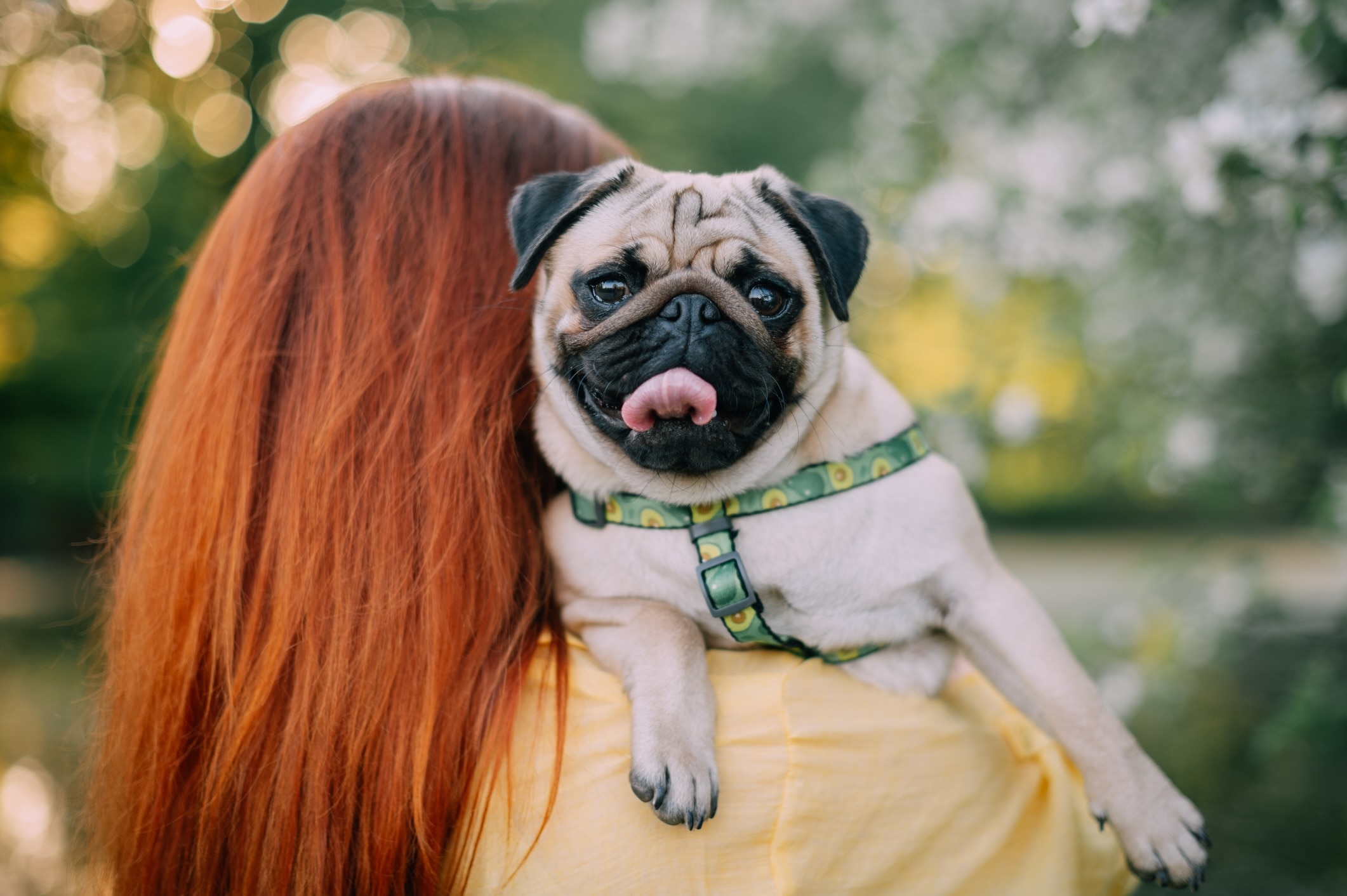
Pugs are generally very friendly and easily excited. The typical Pug temperament is eager to please, and the breed loves spending a lot of time with humans. They are a loving breed and enjoy cuddling and being close to their people.
Are Pugs Good With Kids?
Pugs are friendly and easygoing dogs, and they make excellent dogs for kids. Just make sure kids are taught to properly interact with dogs.
Do Pugs Get Along With Other Pets?
The same easygoing traits mean Pugs can live well with other four-legged family members. But remember that every dog is an individual, and your Pug will need proper socialization to get along with other pets.
Training and Behavior Tips for Pugs
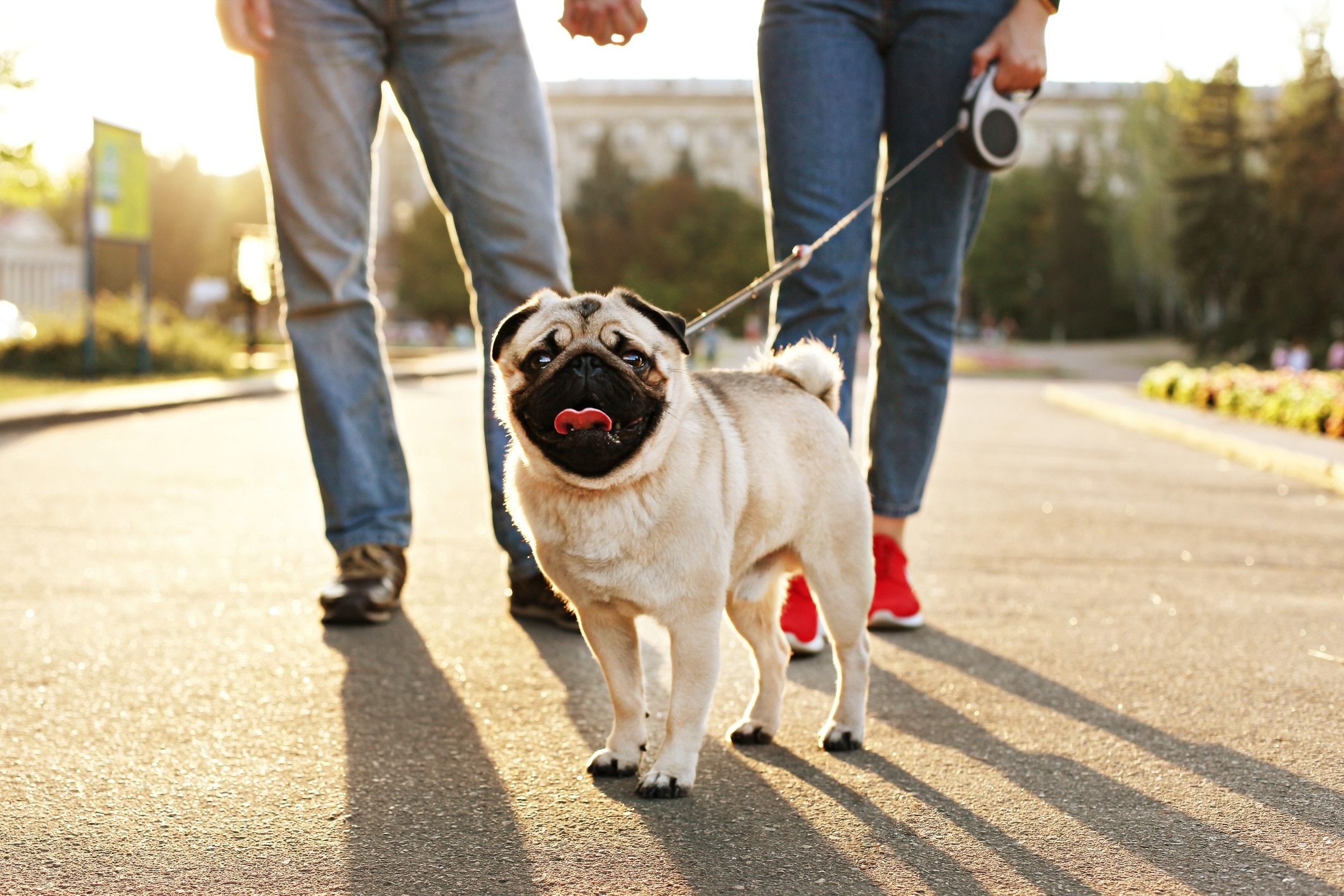
Without mental stimulation, Pugs can become mischievous and develop problematic behaviors or find destructive activities to keep them busy. Just be sure to schedule your outdoor playtime around peak sun hours to avoid the risk of your Pug overheating.
Are Pugs Easy to Train?
Pugs are typically food-motivated, which makes them relatively easy to train. Always use positive reinforcement when training. Keep track of how many treats you’re feeding your pup—with small dogs like Pugs, extra calories add up quickly.
Pug puppies, like all dogs, need to be socialized during their first months of life. This will help your pup grow into a confident, well-adjusted dog that can navigate new situations with ease.
Talk to your Pug breeder about how they have approached socialization, and get tips on how to continue this vital step of puppy care from your veterinarian.
What Are Fun Activities for Pugs?
-
Trick training
-
Leashed walks
-
Doggy playdates
-
Cuddling on the couch
Pug Health Issues
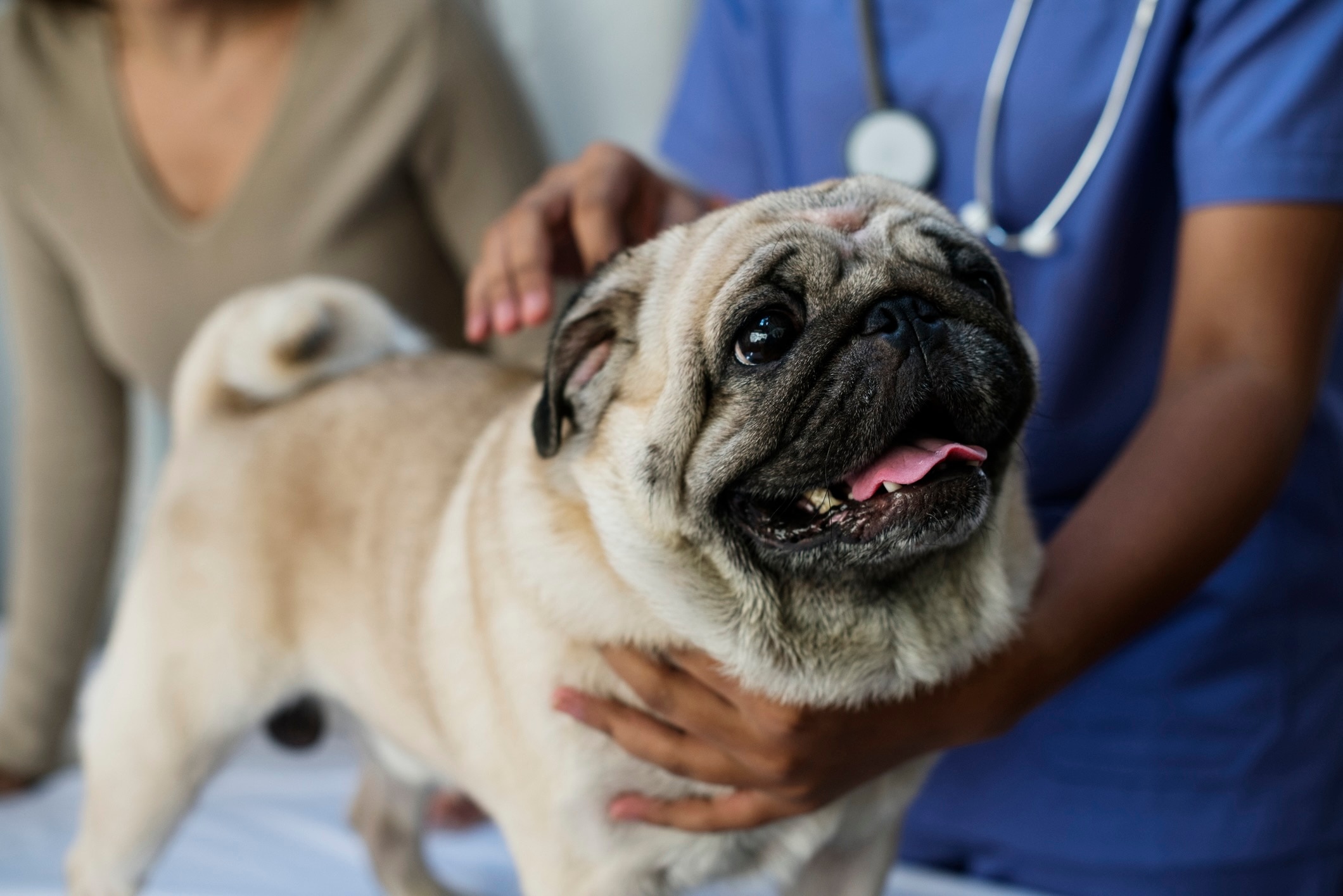
The average Pug lifespan is 13–15 years, but this breed is prone to many health issues, mostly related to their brachycephalic build. Fortunately, many of their potential health problems can be managed with the assistance of your veterinarian.
Purchasing pet insurance can also be a good investment for families bringing home a Pug puppy, as insurance can help with unexpected healthcare costs and ultimately increase the expected lifespan of a Pug.
Overheating
Because they are a brachycephalic breed, Pugs’ upper respiratory tract is much smaller than other dogs, and they often have to breathe through their mouths. Because dogs use their airways to cool themselves through panting, this increased effort for Pugs leaves them more predisposed to overheating.
To keep your Pug safe in the heat, follow these guidelines:
-
Avoid taking your Pug outside during the hottest parts of the day
-
Avoid strenuous exercise during hot weather
-
Provide consistent access to cool and clean water, shade, and air conditioning
Brachycephalic Airway Syndrome
It’s not just overheating that Pug parents need to be aware of. The breed’s narrow airway also means they are more prone to respiratory distress.
Brachycephalic airway syndrome is an airway condition caused by shortened skull, facial, and nasal bones. This can make it difficult for your Pug to breathe, especially if they’re hot, stressed, or exercising.
If you notice heavy or distressed breathing in your Pug, contact your veterinarian or an emergency vet clinic immediately.
To help your Pug breathe more easily, your veterinarian may recommend surgery to widen the Pug’s narrow nostrils airway early in life. This is a simple procedure that can be done at the same time as spay or neuter surgery.
Your veterinarian may also recommend surgery to correct an elongated soft palate if they have severe respiratory problems.
Obesity
Excess weight can increase breathing difficulties, make it easier for a Pug to overheat, and increase the chance for joint problems, heart disease, and diabetes.
Keeping your Pug at a healthy weight or, when prescribed by a veterinarian, on a weight-control diet to prevent obesity will help minimize risk.
Allergies and Ear Infections
Pugs are especially prone to skin allergies and ear infections. These problems can start to show up as early as 1 year of age.
Because Pugs have narrow ear canals and deep folds in the skin around their face, they can collect debris and bacteria more easily. It’s important to clean and dry the skin folds around your Pug’s face daily, and clean your dog’s ears regularly to help prevent inflammation from forming.
Regular cleaning also allows you to check their ears and skin to identify inflammation and seek care early. That said, overcleaning your dog’s ears can lead to irritation. Always ask your vet how often you should clean your Pug’s ears.
Skin allergies are not curable, but they can be managed with medications from a veterinarian, preventive bathing, and regular ear cleaning.
Dental Disease
Pugs have small jaws, but they have the same number of teeth as other dog breeds. As a result, many of their teeth are crooked and crowded.
Just like in people, crowded and crooked teeth can lead to increased buildup of food between their teeth. The result is increased risk for gingivitis, infection, and dental disease. Over time, this can lead to tooth loss and pain.
Daily tooth brushing is key to control and prevent inflammation. In addition, annual dental cleanings under anesthesia by your veterinarian starting when your Pug is 1–2 years old will help to identify infection and periodontal disease early.
Ultimately, diseased teeth should be removed as early as possible to avoid pain, but diligent dental care can help prevent tooth loss.
Eye Injuries
The shape of the Pug’s skull makes their eye sockets very shallow, which means their eyelids are often not big enough to completely close. As a result, it’s easy for their eyes to get injured—scratched, punctured, or even pop out.
All of these are an emergency, and your pet should be taken to the vet immediately. Without rapid treatment, these injuries can result in permanent damage or even loss of an eye.
Legg-Calve-Perthe Disease
Pugs are also affected by a condition called Legg-Calve-Perthe disease. This condition affects the dog’s hips and happens when blood flow to the top of the femur is restricted, leading to pain. If untreated, the femur will begin to break down and the condition will eventually lead to arthritis.
Signs of Legg-Calve-Perthe disease typically include:
-
Lameness (limping with gradual onset over a few months)
-
Carrying or reduced use of the affected leg
-
Pain when moving hip joint
Surgery is usually required to remove the dead portion of bone.
What To Feed a Pug
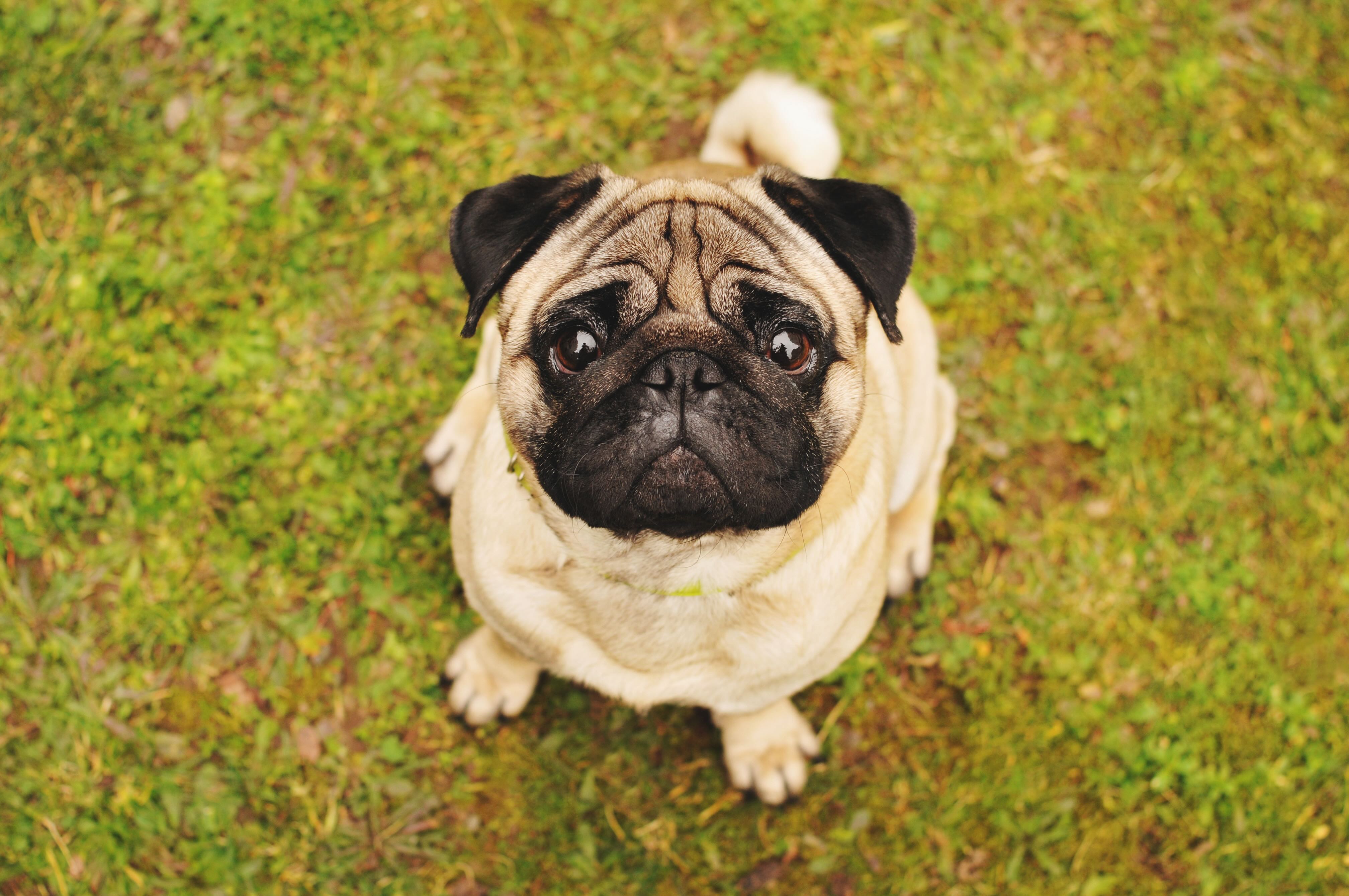
Diet is an important part of maintaining a Pug’s health, especially because obesity is common for the breed. Obesity increases the risk of heatstroke and breathing problems.
The Best Diet for Pug Puppies and Dogs
To help keep your Pug at a healthy weight, talk with your veterinarian about a weight management or calorie-restricted diet to help prevent obesity. They will be able to provide you with an Association of American Feed Control Officials (AAFCO)-compliant dog food that meets your dog’s nutritional needs and supports their overall health.
Some Pugs have food allergies that contribute to skin problems; your veterinarian will discuss feeding trials and special protein ingredients to test for and treat food allergies.
The shape of a Pug’s mouth limits how well they can pick up and chew food. When feeding dry food, the shape and size of the kibble is important to prevent choking. Some companies make foods specific to Pugs, designed to be easier to eat and help manage Pug-specific medical problems.
Talk to your veterinarian about how to choose the best dog food.
How To Feed a Pug
Pugs do best when fed two or three small meals a day. Pug puppies may need to eat more frequently (up to four meals per day) to reduce the chance of hypoglycemia (low blood sugar).
Make sure you feed your Pug a dog food that’s appropriate for their life stage (puppy, adult, or senior). These age-specific diets ensure your Pug is getting the nutrients they need to thrive at every age.
How Much Food Does a Pug Need?
Pugs should be fed based on their body size to avoid overfeeding. The exact amount of food will be decided by the dog food brand recommendations and your veterinarian’s opinion on what suits your Pug’s health needs and lifestyle.
Nutritional Tips for Pugs
If your Pug is eating a diet that meets AAFCO guidelines, they should receive all the nutrients they need. Any nutritional supplements given to your dog should be used to address their individual health problems.
A fatty acid supplement such as fish oil can be beneficial in managing skin allergies. A joint supplement containing glucosamine and chondroitin can be beneficial if your Pug has arthritis or other joint problems.
Never give your dog a supplement without first speaking to your veterinarian.
Pug Grooming Guide
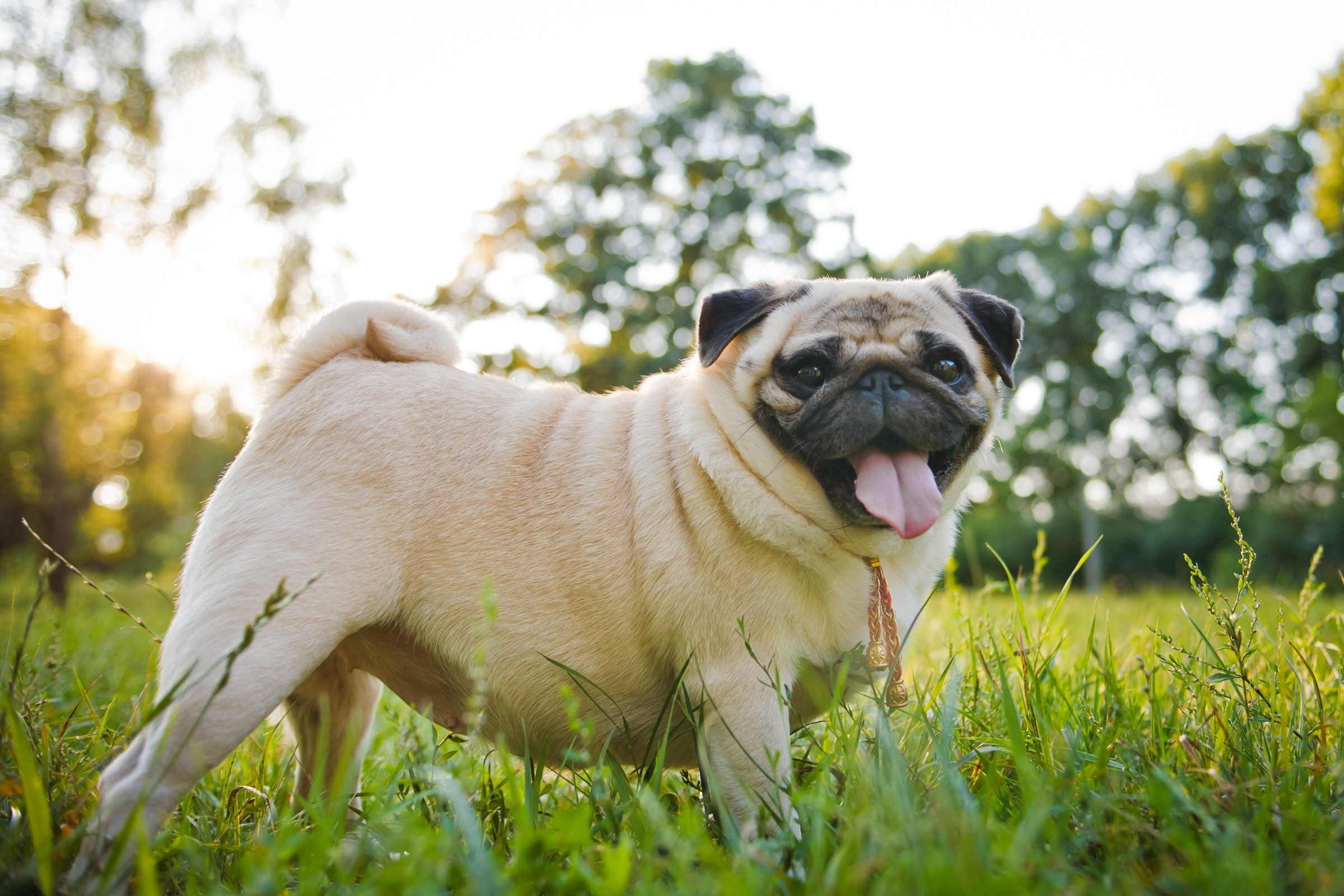
While their coat is short, Pugs do shed quite a bit. Regular grooming can help to manage their shedding and keep them happy and healthy.
Coat Care
No matter if you have a fawn or black Pug, they will shed regularly. Brush their coat at least once a week to help manage and control the amount of shedding.
Skin Care
Due to their wrinkly skin, Pugs need a consistent skincare routine. If your Pug has skin allergies or infections, your veterinarian may recommend weekly baths with specialized shampoos.
If your dog suffers from itchy, allergic skin, try a soothing shampoo. Pugs with dry and flaky skin, a greasy coat, or frequent skin infections may benefit from a medicated shampoo.
Along with bathing, be diligent about cleaning your Pug’s wrinkles—especially those on their face. You can use a wet towel or commercial dog wipes to regularly clean your Pug’s face wrinkles. Your veterinarian can recommend the best option for your dog’s needs.
Always dry the wrinkles after cleaning, as leaving moisture will enable bacteria to breed and infections to develop.
Eye Care
Because Pugs are prone to eye issues, make sure their eyes look healthy and normal. Any signs of injury or abnormalities should be immediately reported to your vet.
For day-to-day eye buildup, use a warm, damp washcloth to wipe the area around the eye clean. Again, be sure to dry afterward to prevent moisture allowing bacteria to grow.
Ear Care
Pugs are also prone to ear infections, so this is another area to regularly monitor. Talk with your veterinarian about the best cleaning solution for your Pug’s ears, but generally you can use a liquid ear wash formulated for dogs.
Also ask your veterinarian about the frequency of ear cleaning. Too much can lead to trapped moisture and ear infections.
Dental Care
Brush your Pug’s teeth every day with a dog-safe toothpaste and brush. This, coupled with professional dental cleanings at your veterinarian’s recommendation, is the best way to prevent dental disease in your dog.
Considerations for Pet Parents
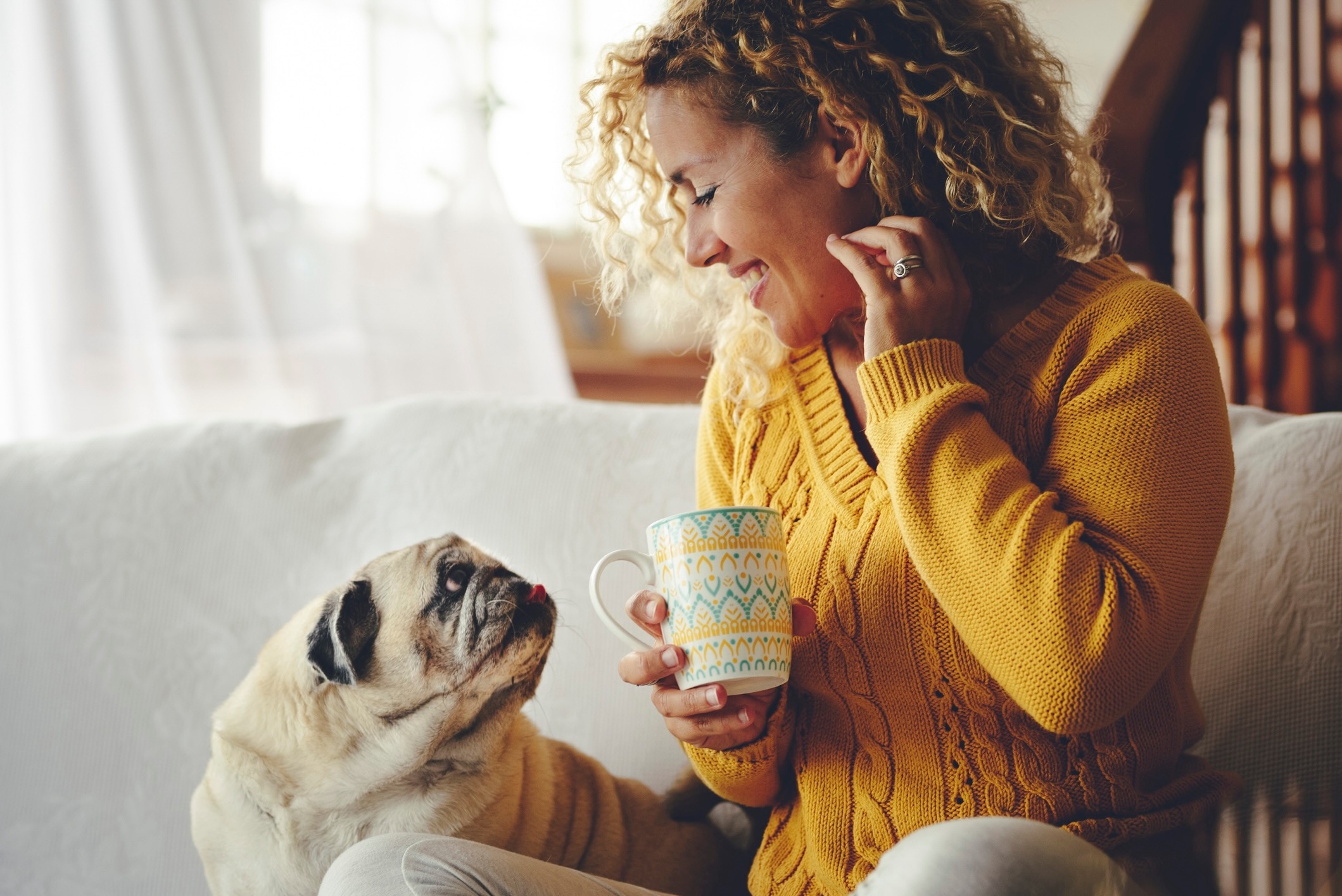
While Pugs make great family dogs or a nice breed for someone who prefers a low-key cuddle buddy over a running partner, they do require quite a bit of work.
The Pug’s flat face creates a lot of predispositions for eye, ear, and skins issues, as well as breathing and dental problems. This means that grooming upkeep and regular veterinary visits are essential to their overall health.
Also, due to their sensitivity to hot and humid temperatures, Pugs are best in homes where they will be primarily indoors. If you live in a warm climate, be aware of the temperature and time of day when you take your Pug out for a walk.
Prospective pet owners should consider pet insurance if they want a Pug. It can help to make veterinary costs more manageable.
Pug FAQs
How long do Pugs live?
The Pug life expectancy is 13–15 years.
Are Pugs hypoallergenic?
No, Pugs are not considered hypoallergenic dogs. They shed regularly and may not be a good fit for people with allergies.
How much do Pugs cost?
The typical Pug price can be anywhere between $1,000 and $2,500. This depends on a number of factors, including bloodline, breeder, and location. You can also find Pugs for adoption at shelters and Pug rescues.
Do Pugs shed?
Yes, Pugs shed regularly and need weekly brushing to control their loose fur.
Are Pugs smart dogs?
Pugs are relatively smart and easily trainable for basic tasks and tricks.
Should I buy a teacup Pug?
No. Teacup Pugs, and all other “teacup” breeds, are bred to create the smallest dog possible. Often, the health of the animal is not considered. Be wary of any Pug breeders that advertise “teacup” dogs.
What’s the difference between a Pug and a French Bulldog?
Pugs and French Bulldogs are both small dogs with flat faces, but there are differences between the breeds.
An easy way to tell if a dog is a Pug versus a French Bulldog is to look at the ears. Pugs have triangular ears that fold over, while Frenchies have large, batlike ears that stand straight up.