Siberian Husky


Adobe_stock/Sergey Bogdanov
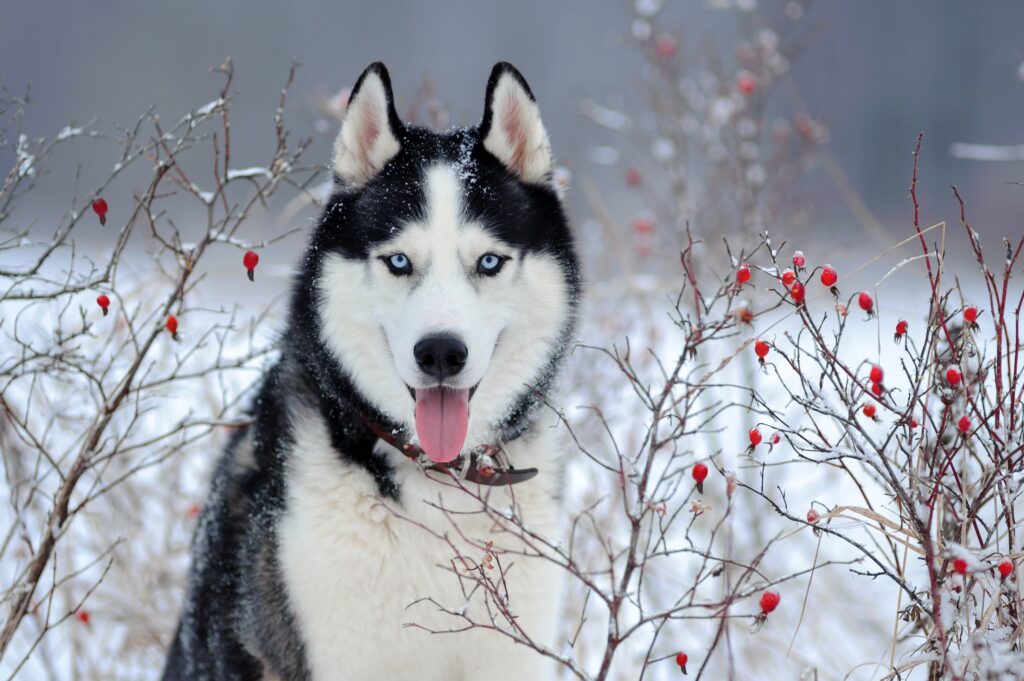
Siberian Huskies made their U.S. debut in 1908 when they were brought to Nome, Alaska, by Russian fur trader William Goosak. According to the Siberian Husky Club of America, Alaskans weren’t impressed with this Siberian breed at first. But over the century that followed, Husky dogs became one of the most popular breeds.
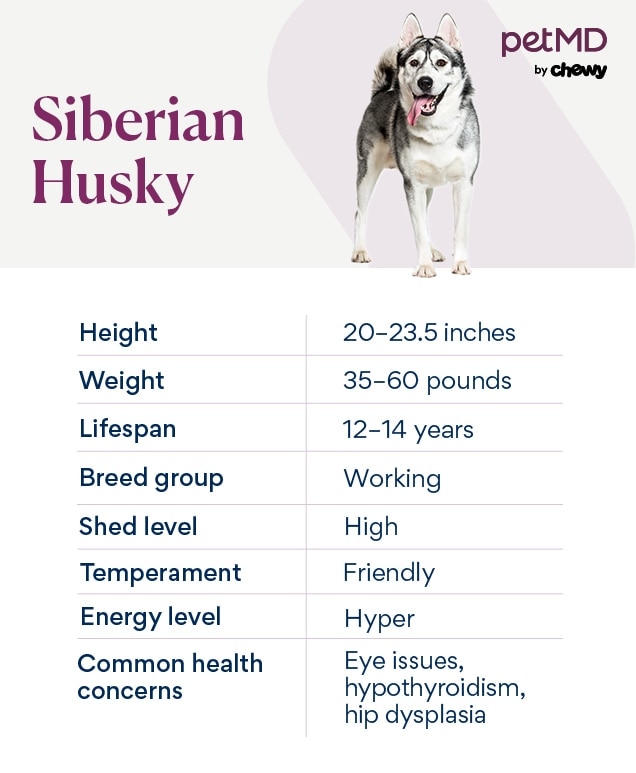
Standing 20–23.5 inches and weighing up to 60 pounds, Siberian Huskies are perhaps best known for their talkative personalities and endless energy. They do best in homes with active and experienced pet parents.
Caring for a Siberian Husky
Siberian Huskies need space to roam and a lot of mental stimulation. Because of this, they make great pets for active families and children. A Siberian Husky will likely become bored with a sedentary lifestyle.
Because Huskies are smart and active, they require consistent training from an early age. Lots of socialization with people and other animals is important for Siberian Husky puppies, but these dogs won’t do well in homes with shared walls or close-by neighbors because they love to talk—loudly, and about everything! They are very vocal dogs and can be expected to howl, sing, and bark.
Siberian Husky Health Issues
Although Siberian Husky lifespan is fairly long (about 12–14 years), they can have a variety of health problems.
Cataracts
Cataracts, a condition that’s thought to be inherited, is when the eye lenses harden. The rate of advancement varies, but a Siberian Husky puppy can begin developing juvenile cataracts anywhere between a few months to 6 years in age.
Cataracts do affect vision but can be treated with surgery. If your Husky is experiencing any white opacity on the surface of the eye or vision loss, whether gradual or sudden, visit your veterinarian as soon as possible.
Progressive Retinal Atrophy (PRA)
Progressive retinal atrophy is an inherited degenerative disease of the eye’s retina. Research suggests PRA is sex-linked in Huskies, as it’s more common in males. The earliest clinical sign of PRA is night blindness, which eventually progresses to loss of day vision as well.
There is no known treatment, but certain dog DNA tests can flag if your dog carries the gene for PRA.
Corneal Dystrophy
Corneal dystrophy is another condition that’s most likely inherited. This disease is characterized by a white, opaque area that develops in the center of the cornea (the outermost clear surface of the eye). If the lesion grows, it can affect a Husky dog’s vision.
Corneal dystrophy does not usually cause pain or require treatment unless it becomes advanced, resulting in an ulceration of the cornea. In these cases, pet parents are advised to take their Siberian Husky to an eye specialist.
Hypothyroidism
Hypothyroidism is a disease where the thyroid gland underproduces thyroid hormone, which causes an overall slowdown of your pet’s metabolism. This can predispose Siberian Huskies to weight gain, hair loss, or a coarse hair coat. They may also become less active over time.
Dogs with chronic skin and ear infections should be tested for low thyroid hormone, as these conditions commonly occur together. Hypothyroidism is easily treated with a daily thyroid supplement.
Hip Dysplasia
Another common condition in the Siberian Husky is hip dysplasia. This is when the hip joint doesn’t develop properly, resulting in a loose joint that leads to arthritis.
Common symptoms of hip dysplasia include:
- Limping on one or both hind limbs
- Difficulty sitting
- Difficulty standing
- Struggling when squatting to urinate or defecate
Surgery can treat hip dysplasia if it’s caught early enough.
What To Feed a Siberian Husky
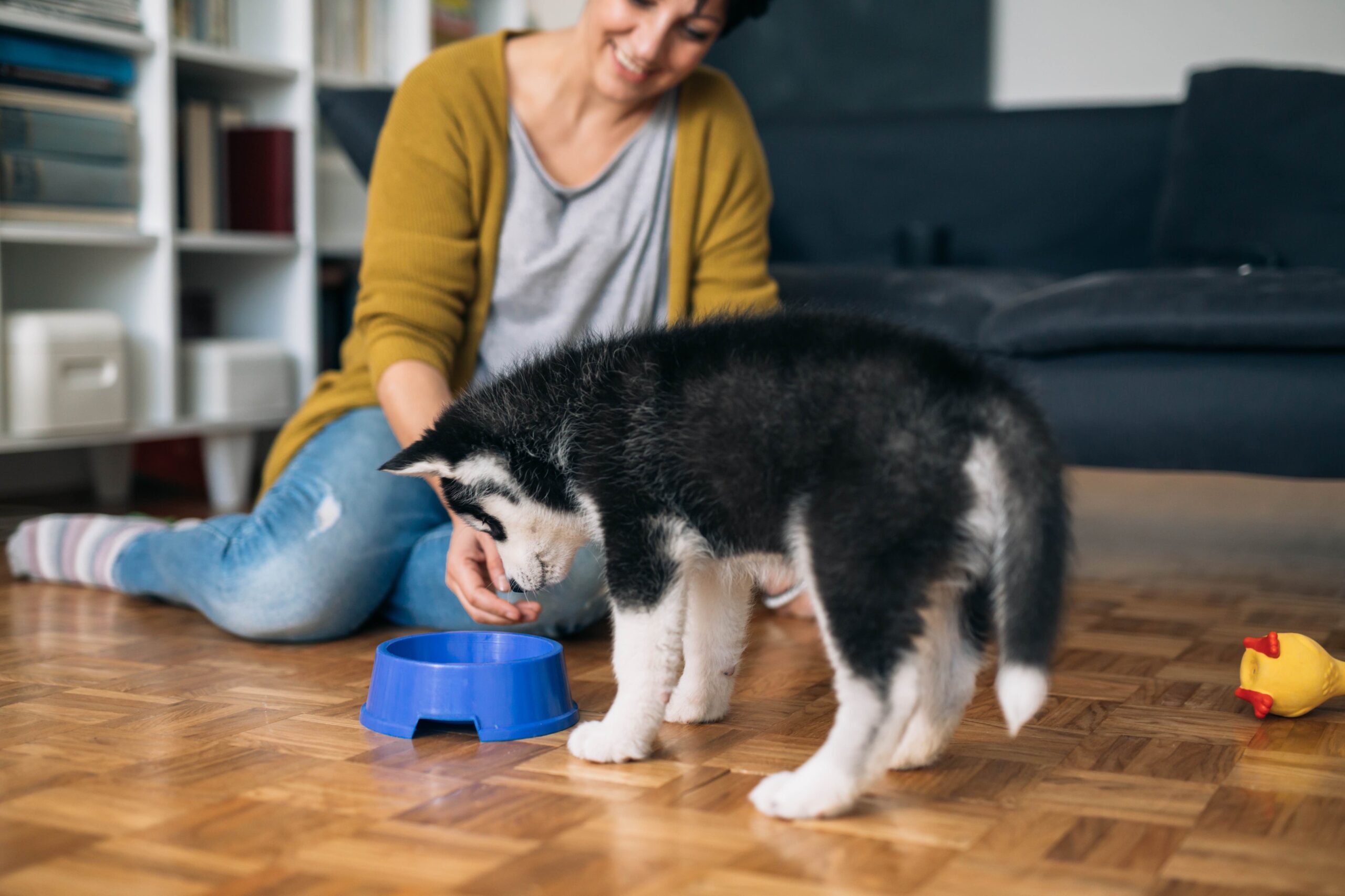
Veterinarians recommend that pet parents feed all dogs a food that meets the nutritional standards set by the Association of American Feed Control Officials (AAFCO), Siberian Huskies included.
Your dog’s food should also match their life stage:
-
Husky puppies (under 1 year old) should eat a high-quality puppy food.
-
Full-grown Huskies should switch to a food formulated for adult dogs.
-
Older Huskies (7 years and above) can benefit from a senior dog food.
Your veterinarian can help you determine what’s best to feed your dog.
How To Feed a Siberian Husky
Feed your Husky frequent small meals during the day to help keep their metabolism at maximum efficiency and prevent obesity. Don’t leave food out all day for them to graze on, as Huskies can easily over-eat.
Instead, feed your pup two to three meals per day at set times. Siberian Husky puppies need to eat more frequent meals, about three or four a day.
How Much You Should Feed a Siberian Husky
As with any breed, always follow the dog food manufacturer’s instructions on how much to feed your pup. The daily total amount should be divided into two or three meals. Talking with your veterinarian can also help provide additional advice tailored to your pet’s dietary needs.
Nutritional Tips for Siberian Huskies
Because Huskies enjoy days filled with heart-pounding exercise, feed them a good commercial diet compliant with the AAFCO’s guidelines.
Healthy Huskies won’t need supplementation in their diet, but your vet may recommend certain dog supplements, such as joint supplements, on a case-by-case basis.
Behavior and Training Tips for Siberian Huskies
Siberian Husky Personality and Temperament
Siberian Husky Personality and Temperament
Siberian Huskies like to be active and part of the family. They’re smart, outgoing, and tend to be independent thinkers, which can easily lead to behavior problems—such as excessive barking and chewing up your furniture—if not corrected early as a puppy.
If you’re a first-time Husky parent, consider reaching out to a certified professional trainer to get extra help. Look for a trainer that is fear-free certified and uses the LIMA method (Least Intrusive, Minimally Invasive).
Siberian Husky Behavior
Huskies are friendly dogs that are typically good with kids and other pets, but they are also very smart and strong-willed. They need to have room to run and be active with family members. If they’re cooped up all day or are not given proper attention, your Husky will be a handful. Always supervise dogs and children together.
Bored Siberian Huskies have a reputation for being destructive indoors, digging holes outside, and escaping yards to run freely. It’s important to provide your Husky dog with lots of mental stimulation and activity or they will likely look elsewhere for entertainment.
Siberian Husky Training
Training should start when your Siberian Husky is a puppy to correct unwanted behaviors before they become adults. Huskies need to be leash trained so they don’t run off to explore on their own. They also need to be trained to avoid excessive barking and howling.
Huskies can be independent, which can make them more difficult to train than some other breeds. Training your Husky needs to start as soon as you bring them home and be consistent.
Training with treats before mealtimes can motivate your pup to work extra hard. As with most puppies, training sessions should be short, frequent, and with ample positive reinforcement.
Fun Activities for Siberian Huskies
Siberian Husky Grooming Guide
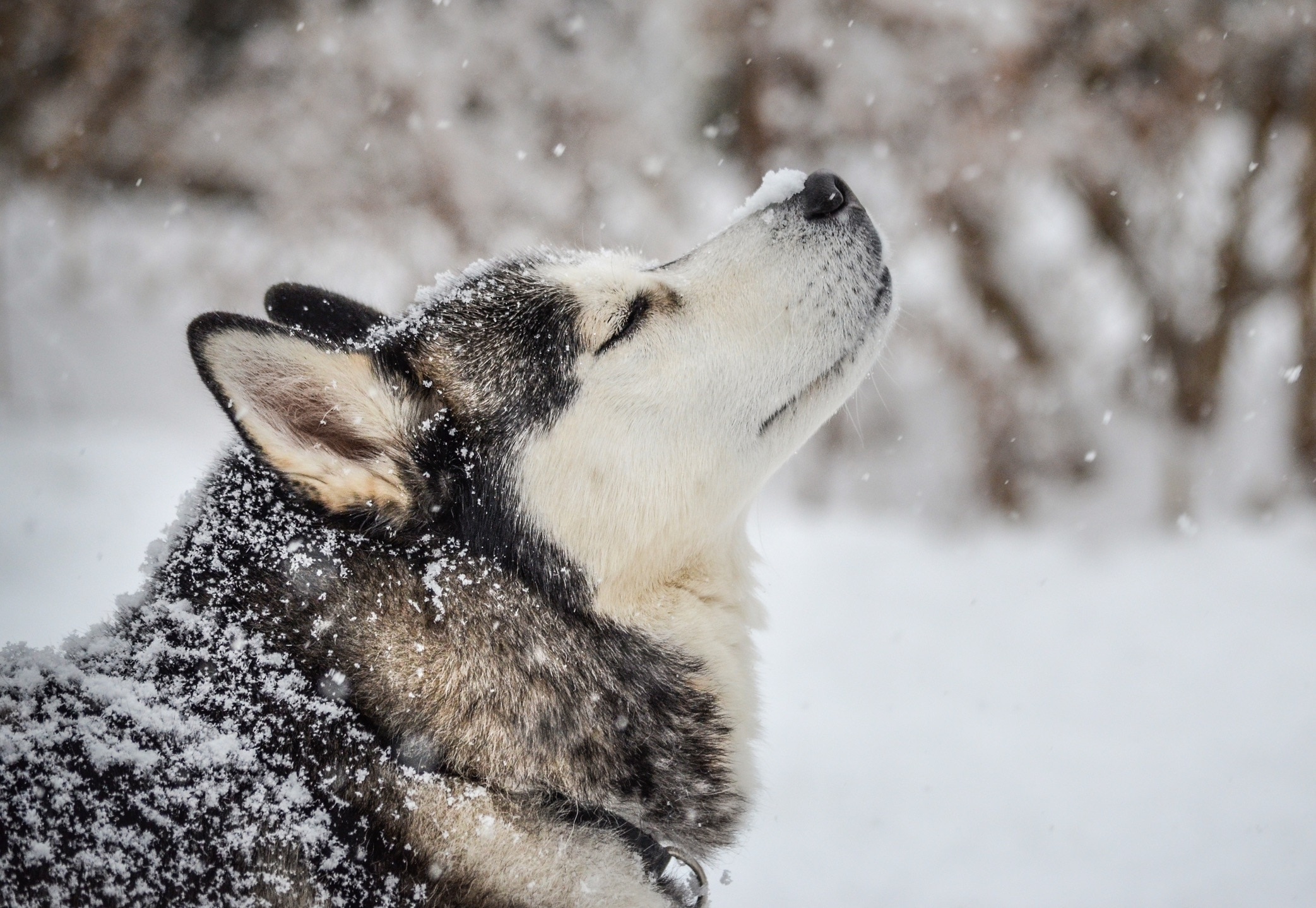
Siberian Huskies have a very thick coat that comes in a wide range of colors; there are white, brown, black, and red Huskies.
No matter your Husky’s color, you’ll often find hairs all over your floor, furniture, and clothing unless you take steps to keep it from flying. Regular upkeep should prevent your house from being covered in fluff.
Skin Care
Huskies can be bathed minimally to maintain healthy skin. They typically don’t carry a normal “doggy” odor, so bathing is needed only when they get a little smelly.
Coat Care
Huskies have a thick double coat consisting of an undercoat and guard hairs. This undercoat sheds about twice yearly. Brushing them with a rake-style brush will help remove the loose undercoat, reduce shedding, and distribute oils evenly across the skin.
Eye Care
Because Huskies are prone to many eye diseases, pet parents should take them for an annual eye exam, which can help diagnose disease early. If you notice any vision loss or changes to your pet’s eyes, seek immediate veterinary care.
If you have a white Husky dog, they may develop tear staining. These can be removed with a gentle eye wipe or washcloth.
Ear Care
Most Huskies don’t have a lot of problems with their ears. But if you notice any debris or gunk there, clean them with a high-quality ear cleanser.
If your Husky begins to excessively scratch at their ears, their ears smell, or they appear to be in pain, visit your veterinarian as soon as possible. This could be a sign of an ear infection.
Dental Care
Huskies can have plaque and tartar buildup on their teeth, just like humans. When left unchecked, this can lead to serious problems, including dental disease.
The best way to prevent dental disease is to brush your dog’s teeth at home with a dog-specific toothpaste and toothbrush. It’s also important to keep up with veterinary wellness checkups, where your vet will examine your Husky’s teeth and recommend professional dental cleanings as needed.
Considerations for Pet Parents
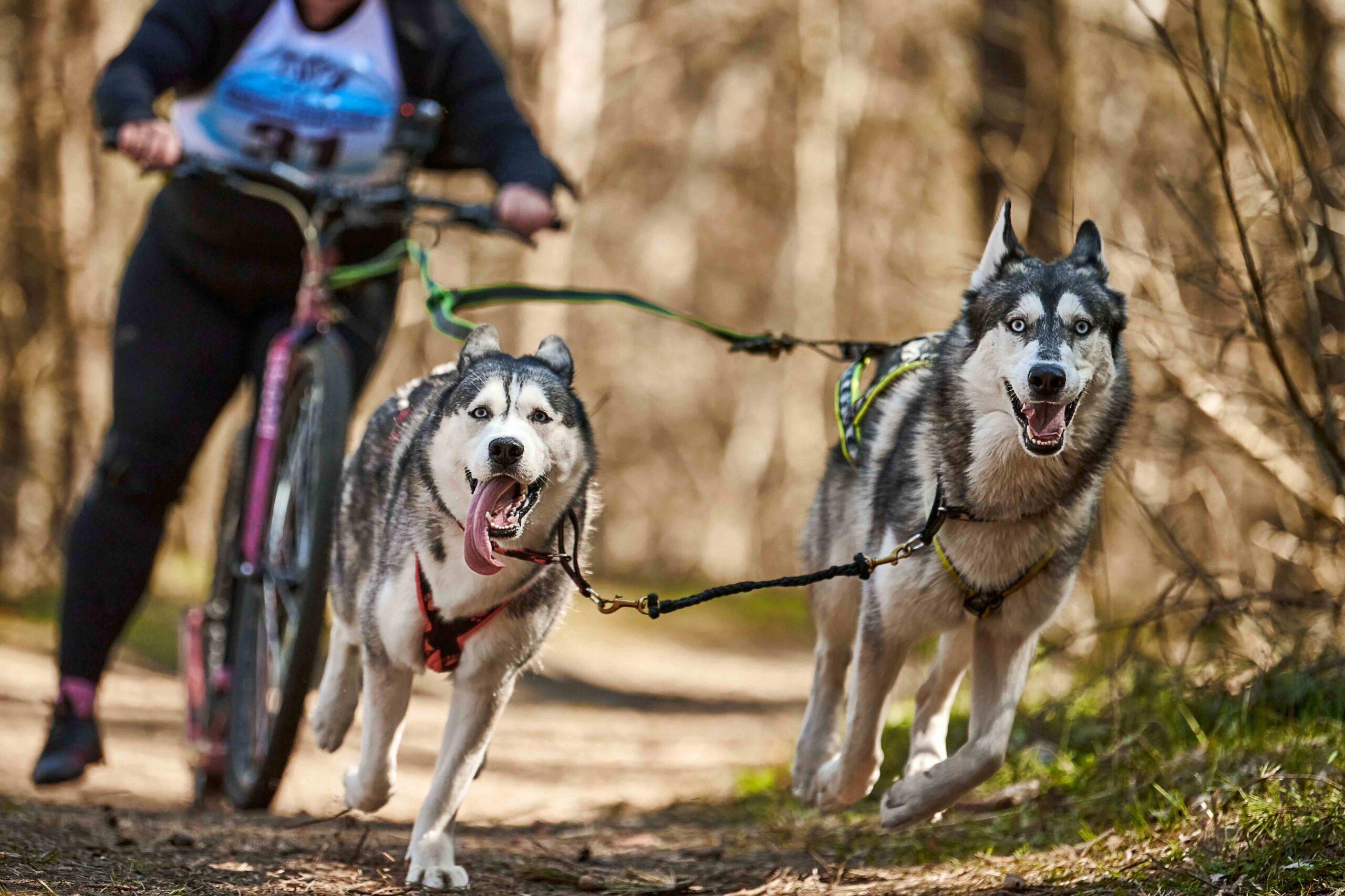
Huskies were bred to be very active, working dogs. Because of this, they do best with active families that can give them at least 40 minutes of exercise every day. Running is a Husky’s favorite activity, and they will thrive with a pet parent who likes to jog daily.
Siberian Huskies do best with active families that can give them at least 40 minutes of exercise every day.
Without this physical and mental nourishment, Siberian Huskies will likely become destructive and loudly complain. Huskies do not make good apartment dogs due to their propensity to howl and bark. They require a lot of training starting in puppyhood and do best with experienced dog parents.
Siberian Husky FAQs
Is a Siberian Husky a good family dog?
Yes, Siberian Huskies can make good family dogs when they get enough exercise and mental stimulation. They are typically good with kids and other dogs.
Are Siberian Huskies smart dogs?
Huskies are very smart, and (because of their big brain) they require a lot of mental stimulation to stay entertained.
How long do Huskies live?
The typical lifespan of a Husky is 12–14 years.
Are there miniature Siberian Huskies?
If you ever see a dog that looks like a mini Siberian Husky or a forever cute Husky puppy, you might actually be looking at an Alaskan Klee Kai. This breed is descended from a small gray and white Siberian Husky.
How much do Siberian Huskies cost?
The Siberian Husky price varies. A puppy from a Siberian Husky breeder can cost up to $1,500 depending on the bloodline, health, and location. You can also find Siberian Huskies for adoption at many shelters and rescues.
What are common Siberian Husky colors?
There are black, brown, gray, sable, red, and white Siberian Huskies.


