Dog Not Eating? Causes and When To Call Your Vet


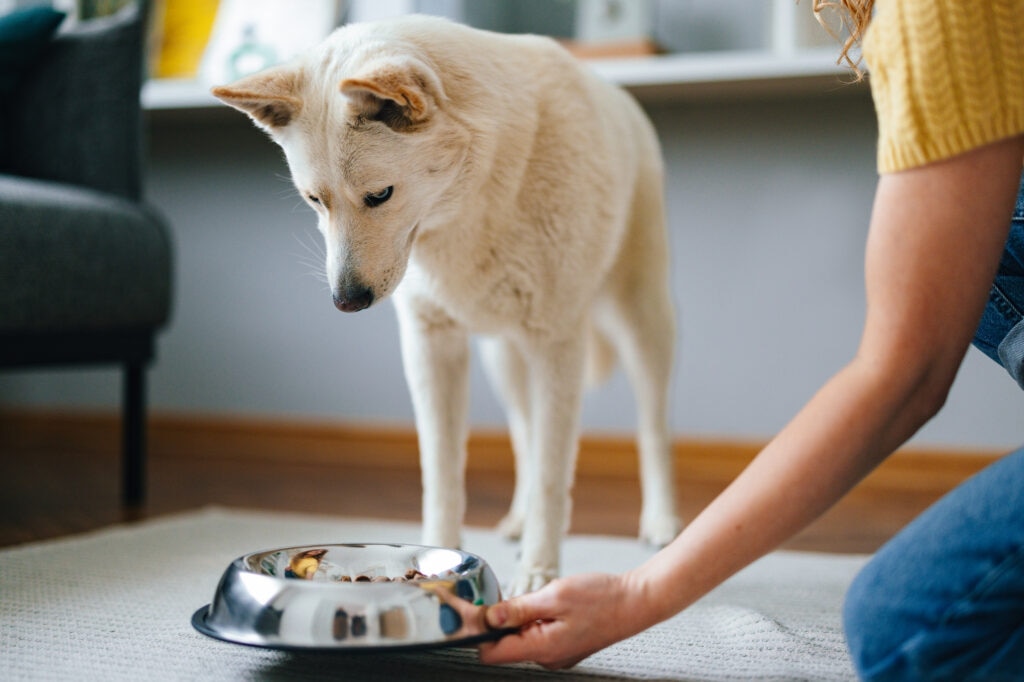
miniseries/E+ via Getty Images
If your dog is not eating, it may be caused by anything from stress or a change in routine to dental pain or a serious underlying illness.
While missing one meal isn’t always an emergency, a dog that refuses food for more than 24–48 hours—or stops eating and has vomiting, diarrhea, lethargy, or trouble breathing—should be evaluated by a veterinarian as soon as possible.
A healthy appetite is often one of the first signs that a dog is feeling well, so it’s understandable to worry when your pup suddenly turns away from their food bowl.
In many cases, a temporary loss of appetite has a simple explanation, such as stress, a recent environmental change, or a dislike of a new food. But decreased appetite can also signal pain, dental disease, digestive problems, organ disease, or other medical conditions that require veterinary care.
This guide explains the most common reasons dogs stop eating, when a loss of appetite becomes an emergency, what you can safely try at home, and when it’s time to call your veterinarian.
Key Takeaways
- A dog not eating can be caused by stress, illness, dental issues, or changes in routine or diet.
- If your dog skips more than 24 hours of food or shows symptoms like vomiting, lethargy, or weight loss, contact your veterinarian.
- Sudden appetite loss in puppies, senior dogs, or dogs with health conditions may signal a serious issue and needs prompt care.
Why Your Dog Isn’t Eating
Let’s look at a few reasons why your dog may not be eating.
Medical
There are several medical conditions that could be the cause of a dog not eating.
Some medical conditions that could cause anorexia or hyporexia in dogs include:
-
Gastrointestinal disease: Parvovirus, dietary indiscretion causing stomach upset, inflammatory bowel disease (IBD), stomach ulcers, or constipation
-
Obstruction of the gastrointestinal tract: Foreign object obstruction such as a toy ball stuck in the stomach
-
Organ dysfunction and systemic illness: Kidney failure, diabetic ketoacidosis (DKA), liver disease or hepatitis, or pancreatitis
-
Dental disease: Periodontal disease or fractured teeth
-
Tumors or cancer: Masses specifically related to the gastrointestinal tract (in the mouth or back of the throat, stomach, or intestines), or lymphoma. However, any type of cancer in dogs can negatively affect a pup’s appetite.
-
Orthopedic: Arthritis makes it difficult for a dog to lower their head to the food bowl. Hip dysplasia can cause pain in dogs when they walk to the food bowl.
-
Medications/toxins: Many side effects of medications—either over the counter (OTC) or prescribed—can lead to a decreased appetite.
Behavioral
Dogs can experience similar emotions and phobias as humans. Examples of behavioral causes for decreased appetite may include:
-
Anxiety, including generalized anxiety and separation anxiety
If your dog has severe behavioral concerns that affect their eating, contact your vet.
For some dogs, medications like fluoxetine or trazodone may be necessary to help manage their condition.
In the meantime, you can support your pet by:
-
Avoiding any obvious triggers for their anxiety
-
Providing them with a safe space, such as a comfortable but secluded room or crate (if previously accustomed to) when visitors are present
-
Using calming pheromones (like ThunderEase)
-
Ensuring they’re getting plenty of exercise
-
Supplying toys or activities that provide mental stimulation like food puzzles and nose work
-
Reduce the movement of their food and water bowls so there is routine and consistency
Environmental Changes
Environmental changes play into your pet’s emotional well-being. Significant changes to the home environment can cause stress and anxiety, can cause a dog not to eat and lose their appetite.
This includes:
-
Moving to a new home
-
Adding a new pet or new child
-
Having houseguests
-
Construction in the home
-
Rearranging the furniture
-
Moving food and water bowls
Age
Healthy senior dogs have a lower calorie requirement than younger pups, so you may notice a slight decrease in appetite as your dog gets older.
However, age is not a reason for a dog to become anorexic. A significant change in your senior dog’s appetite is a reason to contact your veterinarian.
When supporting your senior dog’s appetite at home, consider:
-
Using a raised food bowl if they’re having trouble reaching the food
-
Place a nonslip mat around the bowls to avoid falls
-
Offer softer foods so they can easily chew
-
Feeding at consistently scheduled times of day to help with cognitive decline
Problems With Your Dog’s Food
If your dog has routinely eaten the same food and now shows no interest in it, make sure to check for the following:
-
Is the food moldy or expired?
-
Is your dog showing any changes outside their ordinary behavior?
-
Is the food soggy or been sitting there too long?
-
Did you get the right flavor?
Any time you change a dog’s diet, it should be done gradually over several days to weeks to avoid upsetting their stomach, which can lead to a decreased appetite.
Double check that your dog isn’t being fed by anyone else in the home.
Also, be sure that your pup isn’t being fed too many treats—which includes human food—as they may hold out on their regular diet or be full by the time meals are given.
As a rule, dog treats should make up no more than 10% of your pup’s calories.
How To Get a Dog To Eat
A few things you could try to help motivate your dog to eat include:
-
Warming the food
-
Offering a more palatable or different flavor of food
-
Adding a food topper
Treats can also be enticing and may help coax your dog to eat.
If your dog used to eat normally and now they are requiring treats and toppers, there may be an underlying medical concern.
It’s important to have them checked out if they are struggling with continued decreased appetite.
If your dog has any chronic medical condition, such as diabetes, food allergies, or kidney disease, be sure to speak with your veterinarian prior to changing your dog’s food.
Make sure to consider whether your dog is experiencing any stressors; if noted, take steps to minimize them or prevent them altogether.
Additionally, your veterinarian may prescribe a short course of an appetite stimulant, such as mirtazapine or Entyce (capromorelin).
Other medications, such as Cerenia (maropitant) or ondansetron, can be beneficial for nausea which can contribute to your dog not eating.
If you’re noticing a decreased appetite but your dog seems otherwise healthy, contact your veterinarian for an appointment.
If your dog is also vomiting or having diarrhea, acting lethargic, has a tense or distended abdomen, or yelps when their abdomen is touched, bring your pup to an emergency vet immediately.
Health Tools
Get quick answers with our vet-created Symptom Checker
When To Call Your Vet
If your dog remains uninterested in food, especially if it persists over a couple of days, contact your veterinarian for an evaluation.
If your dog has a known chronic medical condition like diabetes or is a puppy, contact your veterinarian immediately as these pets cannot go as long without food.
If your dog has no appetite but is drinking excessive amounts of water, this may be a reason to seek emergency attention.
For example, they could be experiencing diabetic ketoacidosis. At a minimum, call your veterinarian for advice.
Puppies can’t go as long as adult dogs without food.
If your puppy is skipping meals, contact your veterinarian.
If this is accompanied by other symptoms like vomiting and/or diarrhea, the number one issue to rule out in a puppy would be parvovirus. Emergency care is required for severe symptoms.
Why Is My Dog Not Eating FAQs
What should you do when your dog is not eating?
If your dog is acting normal, energetic, having normal bowel movements and no vomiting, then you can monitor them if they skip one meal. Consider adding 2–3 tablespoons of low sodium chicken broth to their food to entice them to eat. If they skip more than one meal, or have other symptoms, they need to be seen by a veterinarian.
When should you worry if a dog doesn't eat?
You should worry if your dog skips more than one meal or if they’re not eating is accompanied by other changes, like vomiting, lethargy, diarrhea, pain, or increased drinking and peeing.
What is the most common cause of loss of appetite in dogs?
The most common cause of loss of appetite in dogs is gastritis, or inflammation of the stomach. This can be due to stress, dietary indiscretion, underlying disease or even a food change.


