Dog Motion Sickness: What It Is and How To Help Your Dog



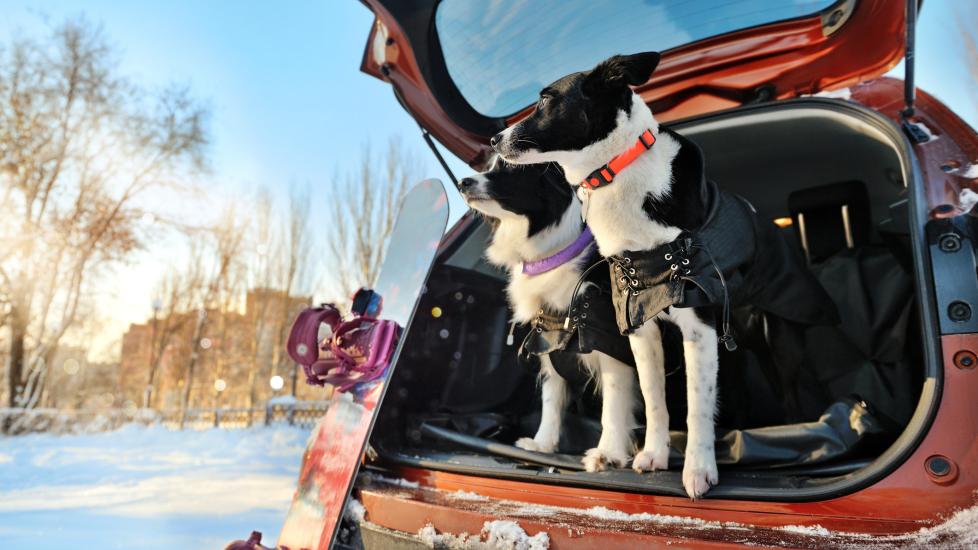
Tatyana Kalmatsuy/iStock / Getty Images Plus via Getty Images
Motion sickness refers to the unwell feelings a dog experiences during travel.
Key Takeaways
- The main cause of dog motion sickness is travel. Dogs who travel by car, plane, or boat may experience nausea and other digestive symptoms.
- Dogs suffering from motion sickness may benefit from cooler air in the car, such as having a window open or the air conditioning on. Keeping the radio on low may also be helpful.
- Bringing a few security items along for the ride, like your dog's favorite stuffed animal, is a good idea.
What Is Dog Motion Sickness?
Dog motion sickness is not a medical emergency, as it generally resolves once traveling is done.
However, if dogs experience severe motion sickness, they can vomit and become dehydrated, so it’s important for pet parents to monitor their dogs closely.
If dehydration is developing, promptly take your pup to a veterinarian.
Causes of Dog Motion Sickness
The main cause of dog motion sickness is travel. Dogs who travel by car, plane, or boat may experience nausea due to the unpredictable movements. This movement stimulates part of the inner ear, which signals to the brain to cause nausea.
Dogs who are fearful or anxious of travel may start experiencing symptoms even before the trip begins.
Young dogs are more likely to experience motion sickness, since parts of their inner ears are still developing.
Any breed of dog can be affected, but Boxers, Border Collies, and Dachshunds are a few that are more likely to experience it.
How Veterinarians Diagnose Dog Motion Sickness
Veterinarians typically diagnose dog motion sickness by physical symptoms, such as drooling and nausea, paired with a thorough history from the pet parent.
It’s important for pet parents to describe their dogs’ behaviors and symptoms, what types of travel causes these symptoms, and how long the symptoms last.
Some dogs benefit from sedatives, such as diazepam, to reduce anxiety related to traveling that may contribute to motion sickness.
Your veterinarian will also ensure there are no inner ear issues, such as an infection, which may be contributing to motion sickness.
To do this, your vet will use a special device called an otoscope to look inside your dog’s ear canal. If any discharge is present, a swab may be taken to check under a microscope for yeast or bacteria.
Treatment of Dog Motion Sickness
Motion sickness in dogs is a temporary condition that occurs during travel. It must be managed for the duration of the dog’s trip, most commonly using prescription medications.
Medications to reduce drooling and nausea related to motion sickness may be prescribed by a veterinarian. These may include the following:
-
Antihistamines, such as diphenhydramine
-
Phenothiazines, such as acepromazine maleate
-
Anti-emetics, such as maropitant or meclizine
Some dogs benefit from sedatives, such as diazepam, to reduce anxiety related to traveling that may contribute to motion sickness. These medications are given by mouth one or two hours before traveling.
You can also ask your vet if your dog is a candidate for Dramamine.
Dogs suffering from motion sickness may benefit from cooler air in the car, such as having a window open or the air conditioning on.
Keeping the radio on low may also be helpful.
If your veterinarian diagnosed an inner ear infection that may be contributing to motion sickness, oral antibiotics such as Clavamox or topical ear medications such as Otomax may be prescribed.
Recovery and Management of Dog Motion Sickness
Dogs who experience motion sickness generally feel better within an hour or two of traveling.
However, severe dog motion sickness may require several hours of recovery. Affected pups can benefit from a bland diet such as boiled chicken and white rice for a day or two.
In some cases, your veterinarian may recommend giving an antinausea medication, such as ondansetron, to your dog after traveling.
Prevention of Dog Motion Sickness
To prevent dog motion sickness, practice putting your dog in a parked car and offering treats and praise.
Start with short trips and slowly increase the length of time the dog is traveling to get her acclimated. This should be done gradually over time.
Sometimes, dogs need medication prior to travel to prevent motion sickness. Cerenia and trazodone are two popular medications that your veterinarian may prescribe.
Additionally, pheromone sprays like Adaptil can help calm dogs who are experiencing travel anxiety.
Lastly, limiting travel for dogs prone to motion sickness or who experience anxiety with travel is helpful.
However, if limiting travel isn’t possible, bringing a few security items like a favorite stuffed animal along for the ride is a good idea.
Dog Motion Sickness FAQs
How do you treat motion sickness in dogs?
Motion sickness is typically treated with prescription medications from a veterinarian, such as anti-emetics, phenothiazines, sedatives, and antihistamines.
Is it normal for dogs to throw up on car rides?
While it’s not normal, it’s quite common. Many dogs experience motion sickness during travel, which can often result in vomiting.
Which dog breeds are prone to car sickness?
Although any breed can experience car sickness, Boxers, Border Collies, and Dachshunds are at an increased risk.