Arrhythmia in Dogs: What It Is and What Causes Irregular Heartbeat in Dogs



andresr/E+ via Getty Images
Arrhythmia in dogs refers to an abnormal heart rhythm. There are various types of arrhythmias, ranging in severity from benign (harmless) to life-threatening.
Key Takeaways
- Dogs can develop arrhythmias for several reasons, but they are caused by abnormal electrical impulses within the heart that affect the heart’s normal function.
- Many dog breeds, including Boxers, German Shepherds, West Highland White Terriers, and Great Danes, are predisposed to heart arrhythmias.
- Some arrhythmias are curable with appropriate treatment while others must be managed long-term.
What Is an Arrhythmia in Dogs?
Depending on their severity, arrhythmias in dogs can cause physical symptoms such as difficulty breathing, exercise intolerance, and weakness.
Dogs can develop arrhythmias for several reasons, but they are caused by abnormal electrical impulses within the heart that affect the heart’s normal function. Arrhythmias can cause the heart to beat too fast, too slow, or irregularly.
Some arrhythmias can be mild and don’t interfere with normal functioning, while others can be life-threatening. However, only a veterinarian can differentiate these.
If you think your dog may have a heart issue, it’s important to see your veterinarian immediately.
Types of Arrhythmias in Dogs
There are numerous types of arrhythmias in dogs. Five of the most common are:
-
Sinus arrhythmia: This arrhythmia results from abnormal heart impulses that correspond to breathing, or respiration. When a dog with a sinus arrhythmia breathes in, their heart rate increases. When they breathe out, their heart rate decreases. Sinus arrhythmia is very common in dogs and rarely a cause for concern.
-
Boxer cardiomyopathy: This genetic heart condition results in arrhythmias due to problems with a dog’s heart muscle. The condition frequently leads to collapse and sometimes death.
-
Atrial fibrillation: This serious arrhythmia occurs when the top part of the heart flutters instead of effectively pumping blood. This leads to poor blood output to the body.
-
Ventricular premature complexes (VPCs): When a heartbeat begins in the lower part of the heart instead of the top, it is referred to as a VPC. Their significance varies depending on how often and when they are present.
-
Atrioventricular (AV) block: An AV block occurs when electrical impulses in the heart fail to spread throughout all the chambers. As a result, blood output to the body is inadequate. These arrhythmias can range in severity from mild to life-threatening.
Symptoms of an Arrhythmia in Dogs
Symptoms of arrhythmias in dogs can include:
-
Irregular heartbeat
-
Exercise intolerance
-
Swollen abdomen
-
Weakness
-
Lethargy
-
Cold extremities
-
Discolored (bluish) extremities
-
Weak pulse
-
Difficulty breathing
-
Sudden collapse
-
Death
Causes of an Arrhythmia in Dogs
Many dog breeds, including Boxers, German Shepherds, West Highland White Terriers, and Great Danes, are predisposed to heart arrhythmias. Dogs of all ages can be affected.
When dogs are diagnosed with arrhythmias, it’s usually due to one of the following:
-
Genetics: Many dog breeds are predisposed to developing arrhythmias simply because of their genes. Some dogs develop these heart conditions later in life while others are born with them (congenital).
-
Infection: If a dog develops an infection involving their heart, the muscle can be affected and interfere with normal heart function.
-
Heartworm disease: If a dog contracts heartworm disease, the adult worms can prevent normal blood flow and prevent the heart muscle from contracting efficiently.
-
Toxin: Toxic substances a dog may accidentally ingest have the potential to lead to irregular heart rhythms.
-
Trauma: Blunt force trauma, such as from falling, can damage the heart and lead to arrhythmias.
-
Vagal response: Anything that affects the vagus nerve (a major nerve that controls heart rate), including respiration and underlying disease, can lead to arrhythmias.
-
Anemia: If a dog’s red blood cell count is low, it can lead to arrhythmia due to the lack of oxygen-rich blood needed to properly supply the body.
-
Chronic health condition: Some medical conditions, such as hypothyroidism, can increase the likelihood of arrhythmias.
How Veterinarians Diagnose an Arrhythmia in Dogs
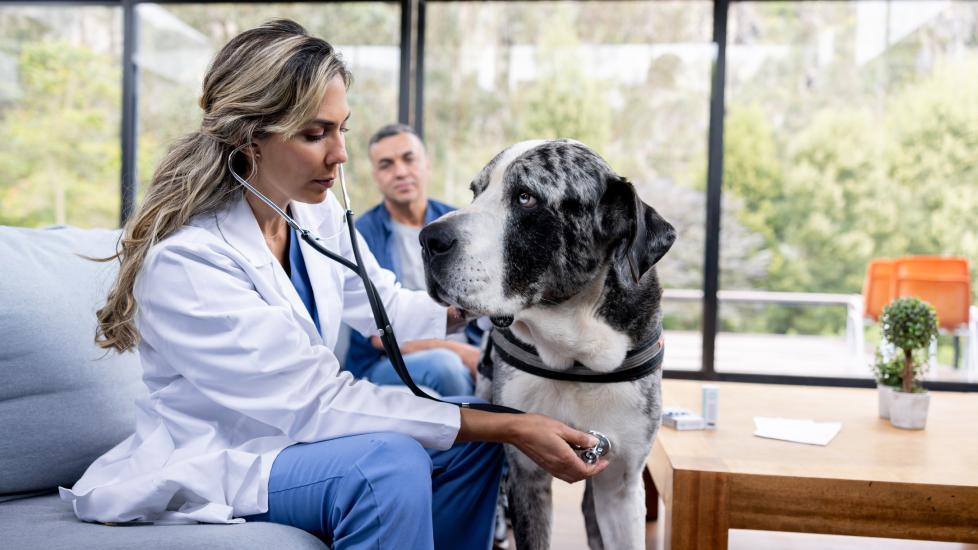
To diagnose arrhythmias in dogs, a veterinarian begins with a complete physical exam, paying special attention to the dog’s heart, lungs, and pulse.
The gums are also checked for color and capillary refill time, assessed by gently pressing on the gums and counting how many seconds it takes for color to return.
During this time, pet parents should let their veterinarian know if they have seen any abnormal symptoms at home, such as fainting, weakness, or difficulty breathing.
If a veterinarian hears an abnormal heart rhythm with their stethoscope, additional testing can be done. This may include:
-
Blood work: A small blood sample is collected and tested for infection, heartworm disease, anemia, and other issues.
-
Electrocardiogram (EKG): Leads are placed on a dog in specific locations to measure their heart rhythm and rate.
-
Echocardiogram: A dog may be referred to a veterinary cardiologist for a non-invasive test using ultrasound to evaluate how the heart beats in real time. This can help determine where the arrhythmia originates within the heart.
-
Holter monitor: This non-invasive test identifies abnormalities in a dog’s heart rate and rhythm over a longer period. Dogs wear a vest-like monitor for 24 hours so their veterinarian can identify abnormalities during rest and activity.
-
X-rays: X-rays of the chest and abdomen help the veterinarian identify areas of heart enlargement or signs of heart failure, such as fluid in the lungs or abdomen.
Treatment of an Arrhythmia in Dogs
Treatment for arrhythmias in dogs depends on the underlying cause.
Some arrhythmias are curable with appropriate treatment while others must be managed long-term.
Treatment options for arrhythmias may include:
-
Medications: The veterinarian may prescribe medications, such as diltiazem or amlodipine, to restore normal heart rate and rhythm.
-
Antibiotics: If the dog has an infection, antibiotics may be prescribed to eliminate it and restore the heart rate to normal. Antibiotics may include amoxicillin or enrofloxacin.
-
Immiticide: If a dog has been diagnosed with heartworm disease, their veterinarian may administer this injectable medication to eliminate the parasite.
-
Supportive care: If a dog has ingested something toxic, their veterinarian will provide supportive care such as fluid therapy and appropriate medications, which may include an antidote or activated charcoal, to counteract the toxin.
-
Blood transfusion: If severe anemia is causing an arrhythmia, a blood transfusion may be recommended to restore the red blood cell count.
-
Pacemaker: Some dogs may require a pacemaker, implanted by a veterinary cardiologist, to regulate their heart rhythm.
Recovery and Management of an Arrhythmia in Dogs
Some dogs with underlying genetic abnormalities must be managed long-term and may never fully recover from their arrhythmia.
However, if an underlying medical condition is causing the arrhythmia, such as anemia or heartworm disease, most dogs fully recover once that condition is appropriately treated.
For example, treated dogs can recover from anemia within a few days, while dogs with heartworm disease typically recover in a few months.
However, lasting heart damage may be present in some cases, requiring long-term medication to control the heart rate.
Prevention of an Arrhythmia in Dogs
Pet parents can ensure their dogs receive regular veterinary preventive care so that any heart concerns or underlying health issues that may lead to arrhythmias in dogs are caught early.
Keeping dogs on monthly heartworm prevention reduces the risk of contracting heartworm disease, which increases their likelihood of arrhythmias.
Ensuring toxic substances are kept securely out of dogs’ reach can prevent accidental ingestion and toxin-related arrhythmias.
Arrhythmia in Dogs FAQs
How do you treat arrhythmias in dogs?
Arrhythmias in dogs are treated with antiarrhythmic medications. If the arrhythmia was due to an underlying cause, the veterinarian can prescribe a suitable treatment plan to address the condition.
How long do dogs with heart arrhythmias live?
Dogs with mild arrhythmias can live normal lives with appropriate monitoring, while dogs with severe arrhythmias generally develop heart failure and may succumb to the disease within months.
Is an irregular heartbeat serious in dogs?
Irregular heartbeats in dogs can be serious or benign.
For example, sinus arrhythmias that develop due to changes in respiration are benign, while atrial fibrillation is a serious health concern.
References
Heart Disease: Conduction Abnormalities in Dogs and Cats – Circulatory System, Merck Veterinary Manual