Is Your Cat Breathing Heavily? Causes and What To Do


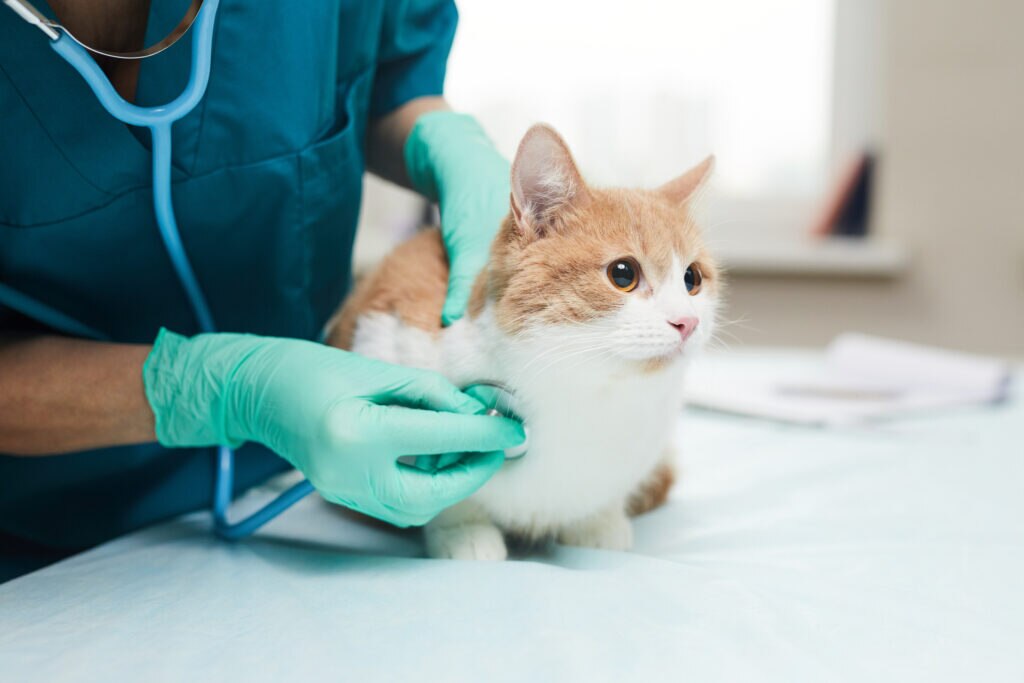
AnnaStills/iStock/Getty Images Plus via Getty Images
Heavy or difficult breathing, also called dyspnea, can be quite a scary sight in cats.
Cats are excellent at hiding when they are struggling, so if they are visibly in distress, breathing fast, panting, or breathing heavily, it’s because there is something wrong and they could be at risk of respiratory failure.
Heavy breathing in cats is a medical emergency—if your cat is displaying this symptom, take them to the vet immediately.
Key Takeaways
- Heavy breathing in cats is a medical emergency that requires immediate veterinary attention.
- Common causes include asthma, heart failure, and fluid buildup around the lungs.
- Diagnosis typically involves imaging and lab work, with treatment tailored to the underlying cause.
Why Is Cat Breathing Heavy?
A normal breathing rate for cats at rest should be around 15–30 breaths per minute.
Cats should breathe with their mouths closed and without their nostrils flaring, their abdomen moving, or making noise, and they should have a normal body posture without their head and neck extended or their back hunched.
Open mouth breathing or panting, breathing rapidly, or any of these other signs show your cat is breathing heavily and might be in distress.
There are many different causes of heavy breathing in cats.
According to the Cornell Feline Health Center, the three most common are:
-
Feline asthma is the most common cause of breathing difficulties in cats, with severe inflammation (swelling) and narrowing of the airway. Asthma can be triggered by strong smells, smoke, pollen, and even dusty cat litter.
-
Congestive heart failure (CHF) in cats causes pulmonary edema, which is when the lungs fill with fluid, making it very hard to breathe.
-
Pleural effusion is an abnormal amount of fluid around the lungs. This fluid buildup causes pressure on the lungs as well as a decrease in the space available for the lungs to fill with oxygen.
Other potential causes of heavy breathing in cats are:
-
Upper (URI) or lower (pneumonia) respiratory infections
-
Trauma or injuries to the chest
-
Tumors in the lungs or chest cavity
-
Severe allergies
-
Something stuck in the throat (airway obstruction)
Health Tools
Get quick answers with our vet-created Symptom Checker
When To Call Your Vet About a Cat Who’s Breathing Heavily
Symptoms of heavy breathing that are emergency signs that your cat needs to see a veterinarian right away are:
-
Open-mouth breathing or panting
-
Blue, purple, or pale gums
-
Increased breathing rate (tachypnea)
-
Shallow breathing
-
Weakness or collapse
-
Lowered and/or extended head and neck while breathing
-
Abdominal breathing (sides of chest and abdomen moving in and out rapidly with each breath)
Less severe symptoms of heavy breathing include:
-
Gagging or retching
-
Lethargy or lack of energy; sleeping more than usual
-
Noisy breathing (wheezing, whistling, grunting, congestion)
If your cat has heavy breathing, check their airway to make sure they are not choking. If not, then there is nothing to do at home other than rush them to the veterinarian for immediate medical care.
How Vets Diagnose the Cause of a Cat Breathing Heavy
Heavy breathing in cats is most often a medical emergency requiring your cat to spend time in a special oxygen cage as soon as they get to the vet.
Once they’re stable, your vet will begin to figure out what the cause of their breathing difficulty is.
Your vet will thoroughly examine your cat, listening very closely to their heart and lungs with a stethoscope. Their blood pressure might be checked as well as their body temperature and their pulse.
Next, diagnostic imaging and blood work is often done. Blood work looks for anemia or signs of infection, as well as any organ dysfunction.
Imaging is often the most important diagnostic tool when checking a cat that is breathing heavily.
X-rays look at the structure of the heart and lungs and can show if any abnormal fluid is present.
An ultrasound of the chest, abdomen, or heart (echocardiogram) takes a more detailed look at these structures as well as their function. Ultrasound can also be used to guide a needle into any abnormality for testing, such as fluid analysis or a tissue biopsy.
Treatment for a Cat Who’s Breathing Heavy
Heavy breathing in cats is treated with a wide variety of therapies depending on the underlying cause.
Most cats will need oxygen therapy right away as their first treatment.
If your cat is diagnosed with pleural effusion, your vet will quickly and safely remove the fluid from their chest (thoracocentesis), which can make them breathe better rapidly.
The fluid is then sent out to a laboratory or examined under the microscope to figure out the cause and the right treatment plan, which might include antibiotics, anti-inflammatory medications, or steroids.
Feline asthma is treated with both oral and inhalant medications at home and injectable medications at your vet’s office.
Steroids such as oral prednisolone are commonly recommended, as well as inhalers.
Both help with inflammation. A rescue inhaler such as albuterol is used for sudden attacks and can help with heavy breathing at home.
Congestive heart failure in cats is treated with oral medications to improve the strength of their heart function and blood pressure.
Possible medication options include:
Heart conditions caused by congenital defects might need to be fixed with surgery.
How To Prevent Heavy Breathing in Cats
The most important step a pet parent can take to try to prevent heavy breathing in cats is taking their pet in for routine visits to their veterinarian. It’s also important to give all medications and treatments exactly as directed and not to stop without approval from your vet.
Always follow up with your vet after a diagnosis of asthma or heart disease.
Nutritional supplements such as probiotics (such as FortiFlora), omega-3 fatty acids (such as Welactin), antioxidants, and immune boosters (such as Imuquin) can help with some causes of heavy breathing, like heart disease and viral infections.
Cat Breathing Heavy FAQs
Why is my cat breathing heavily?
Cats can breathe heavily for many reasons—but most of the time it’s quite serious and is a medical emergency.
What does heavy breathing look like in a cat?
Heavy breathing in cats causes panting or open-mouth breathing, coughing, gagging, short or long shallow breaths, breathing with the abdomen, nostrils flaring, and an increased respiratory rate.
When should I be concerned about my cat’s breathing?
If you notice any signs of heavy breathing, you should be concerned as it could be something serious. Panting in cats is never normal and is always an emergency.
Does heavy breathing mean my cat is in pain?
While heavy breathing can be a sign a cat is in pain, it does not always mean it. But while they might not be hurting, heavy breathing is serious and potentially life-threatening.


