FIV in Cats



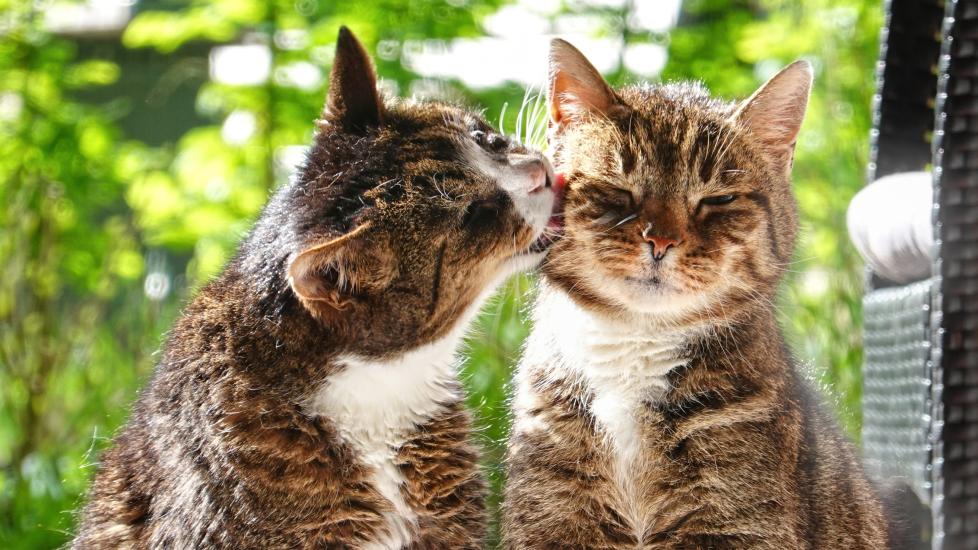
deepblue4you/iStock / Getty Images Plus via Getty Images
What Is FIV in Cats?
FIV (feline immunodeficiency virus) is the virus that can eventually progress to feline acquired immunodeficiency syndrome (similar to AIDS in humans).
As those names imply, infection with FIV weakens a cat’s immune system, which makes it much more likely that they’ll come down with bacterial infections, certain types of cancer, autoimmune diseases, or other secondary health problems.
While FIV in cats is a serious disease, it’s important to keep two key points in mind:
-
FIV infections aren’t very common. A study of more than 1,500 veterinary hospitals and animal shelters in the US and Canada showed that 3.6% of cats seen tested positive for FIV. This was likely an overestimate of the virus’s prevalence, since it excluded so many healthy cats.
-
Cats with FIV can enjoy many healthy years after diagnosis. An FIV diagnosis in an otherwise healthy cat is not a medical emergency, although it could become one in the future.
Symptoms of FIV in Cats
FIV infections are divided into three phases that can have very different symptoms:
Acute phase—During the one to two weeks after a cat has been infected with FIV, a cat can have:
-
No symptoms
Latent phase—After recovering from their first symptoms, cats often go through a period of several months to years when they seem perfectly healthy. However, their immune system is being slowly weakened.
Acquired immunodeficiency syndrome—At this point, a cat’s immune system has become weak enough that they start developing secondary infections, autoimmune diseases, cancers (lymphoma and leukemia, for example), and other health problems. Symptoms will vary with the specific secondary disease(s) a cat has, but commonly include:
-
Lethargy
-
Redness or sores in the mouth
-
Neurologic problems like weakness, seizures, or odd behaviors
As time goes on, many of these secondary health problems will get worse and stop responding to treatment.
Causes of FIV in Cats
The most common way for cats to become infected with FIV is through bite wounds. A cat with FIV can have large amounts of the virus in their saliva. Cats may also develop FIV after touching an infected cat's saliva through mutual grooming or sharing food and water bowls, but this doesn’t happen often.
Cats who haven’t been spayed or neutered may be infected through sexual activity.
An infected queen (mother cat) can pass FIV to her kittens while they are growing in her uterus or when they drink her milk that has the virus. It’s possible for some kittens in a litter to be infected while others are not.
How Veterinarians Diagnose FIV in Cats
The most common way to diagnose FIV is with an ELISA test (enzyme-linked immunosorbent assay), which uses just a few drops of blood.
Results of ELISA tests for FIV are usually correct, but there are times when your vet will decide to run a confirmatory test.
-
A cat was recently exposed to the virus—It can take two to four months for a cat to develop enough antibodies to be found by an ELISA test.
-
The cat is younger than 6 months old—Kittens can pick up antibodies from their mother even if they are not infected, and it may take as long as six months for them to disappear.
-
An apparently healthy cat tests positive for FIV and they have no history of being bitten by another cat—False positive tests are possible. For example, a vaccine for FIV that was stopped in 2016 makes vaccinated but uninfected cats test positive.
Be sure to tell your veterinarian about any symptoms you’ve seen at home, your cat’s past and present lifestyle, and your cat’s vaccination history so they can decide if a confirmatory test is needed.
Treatment of FIV in Cats
Unfortunately, cats cannot be cured of FIV, so treatment centers around managing the other conditions that they might have and keeping them as healthy as possible for as long as possible.
A veterinarian may need to run more diagnostic tests to get a better idea of the cat’s overall health and plan proper treatments, which may change over time.
General supportive care for cats with FIV includes:
-
Keeping FIV-positive cats indoors so they come across fewer infectious diseases.
-
Giving excellent nutrition and avoiding raw foods that may have pathogens.
-
Quickly treating any diseases that do develop. Plan on checkups every four to six months so health problems can be caught early.
Anti-viral drugs such as AZT (azidothymidine or zidovudine) and medications that boost the immune system may be helpful in some cases, but they can also have significant side effects.
Your veterinarian can help you figure out if they might be right for your cat.
Recovery and Management of FIV in Cats
With a dedicated caregiver, cats with FIV often live long and relatively healthy lives. They may never develop acquired immunodeficiency syndrome, but if they do and their symptoms stop responding to treatment, they probably only have a couple of months to live.
Humane euthanasia is often the best way to prevent future suffering when a cat’s quality of life is poor and won’t get better.
Prevention of FIV in Cats
Since FIV in cats is usually transmitted through bites, the best form of prevention is to keep cats from fighting by keeping them indoors. It’s also important that any cat who has been diagnosed with FIV not be let outdoors so they can’t spread the disease to other cats.
Managing a household that includes FIV-positive and FIV-negative cats can get complicated.
Ideally, the two groups would be completely separated, but if that isn’t possible and they don’t usually fight, giving them separate water and food bowls is about all you can do.
There used to be a preventive vaccine for FIV, but it had limited effectiveness and was stopped in 2016.
FIV in Cats FAQs
What happens if a cat is FIV-positive?
Cats who don’t have any symptoms of their FIV infection can often live for years before they become sick. Some (but not all) of these cats eventually go on to have serious health problems.
How long do cats with FIV live?
Research has shown that cats with FIV often enjoy the same lifespan as uninfected cats.
If differences are seen, they’re usually relatively small. For example, one study found that on average, FIV-positive cats who weren’t immediately humanely euthanized lived for 4.9 years after diagnosis compared to six years for uninfected cats.