Egyptian Mau



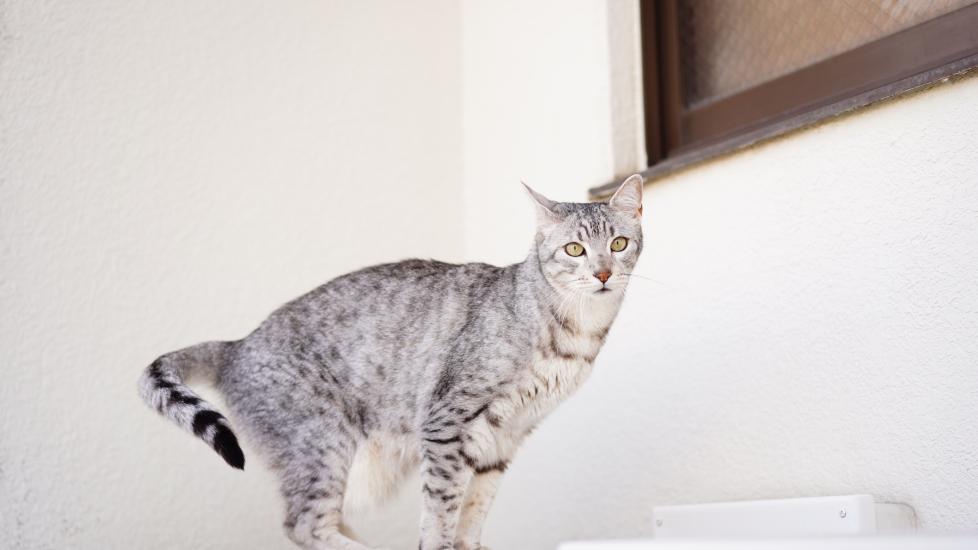
Egyptian Maus are medium-sized, short-haired cats descending from felines who prowled the streets of Egypt. With silky spots and gooseberry green eyes, it’s no surprise the breed became a fixation in Egyptian culture, appearing in religion and mythology, and eventually becoming a part of everyday life. The spotted cat was even depicted on papyrus and ancient Egyptian pottery. It’s this long and rich natural history that shaped the Egyptian Mau into the present-day domestic kitty we know and love.
Today, Egyptian Maus have made their way into households around the world. Their athletic build generally reaches a height of 7–11 inches, and they weigh around 8–14 pounds.
Caring for an Egyptian Mau
The Egyptian Mau deserves a special spotlight on their spots. While there are other stunning spotted cats (we’re looking at you, Bengal and Savannah breeds!), Maus are the only domestic cat breed to have a naturally occurring spotted coat, rather than one selectively created by a breeder.
Egyptian Maus are interactive, agile cats. So for those prepared to provide these athletic kitties with the attention, playtime, and training they thrive with, Egyptian Maus make wonderful family pets.
Their grooming requirements are minimal due to their medium-length, average-shedding coat, needing only one or two brushing sessions a week. Bathing isn’t necessary, but it can be a source of entertainment for you and your Mau. This water-loving cat may also enjoy drinking from—and splashing in—a cat water fountain.
Egyptian Mau Health Issues
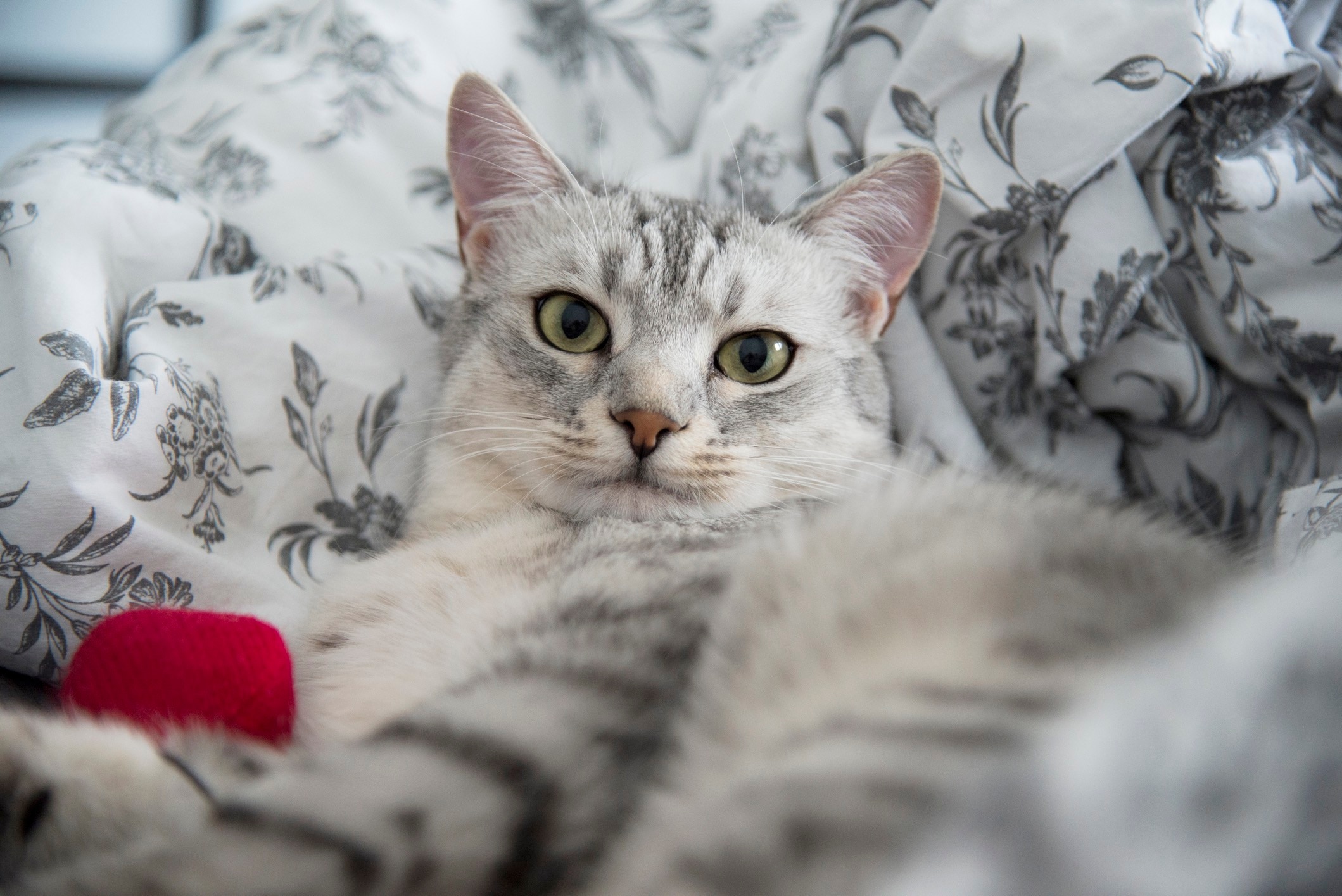
Despite their strong and athletic build, Egyptian Maus are still susceptible to various health conditions common in cats. Before purchasing or adopting any breed of cat, it’s important to consider the potential expenses associated with managing or treating medical conditions, in addition to routine medical care. Purchasing cat health insurance for your Egyptian Mau kitten can help mitigate the cost.
Bladder Stones
Egyptian Mau cats are at increased risk of developing bladder stones, especially males under 6 years old. Bladder stones can block or slow the flow of urine. A complete urinary blockage is an urgent, life-threatening condition that can lead to kidney failure.
Signs of bladder stones or crystals in cats include:
-
Increased urination frequency
-
Straining to urinate
-
Urinating small amounts of urine at a time
Signs of a urinary blockage in cats include:
-
Inability to urinate or urinating very small amounts
-
Straining to urinate
-
Pain, exhibited by behavior such as crying, lethargy, tense body posture, or hiding
If you notice any changes in your cat’s urination, signs of pain, or behavioral changes, see your veterinarian immediately.
Dental Disease
Regularly brushing your Mau’s teeth with cat-safe toothpaste can help prevent dental disease, one of the most common health conditions in cats. Starting this routine when your cat is a kitten can help make the task second nature as they age.
Your veterinarian will also examine your cat’s teeth at their yearly wellness exam and recommend dental cleanings under anesthesia when necessary.
What To Feed an Egyptian Mau
A commercial wet or dry cat food diet that meets the nutritional recommendations set by the Association of American Feed Control Officials (AAFCO) will provide your Egyptian Mau kitten, adult, or senior cat with all the essential nutrients and vitamins for their life stage. Talk to your vet about the best food for your cat, as it can vary based on your Mau’s age, lifestyle, and health.
How To Feed an Egyptian Mau
Egyptian Maus are active and intelligent cats with a strong prey drive. To satisfy their hunting instincts, incorporate food puzzles, lick mats, and foraging into their mealtimes. Consider offering them multiple small meals a day, rather than free-feeding, to mimic a cat’s natural feeding cycle and prevent obesity.
How Much Should You Feed an Egyptian Mau?
Egyptian Maus are active cats whose ideal lifestyle includes plenty of exercise, and the amount of food they need depends on how much activity they get. Your veterinarian can help determine the right number of daily calories for your cat. In addition to considering your cat’s daily activities, your veterinarian will also consider their age and ideal weight.
If your veterinarian determines your cat is overweight, they may recommend dietary changes to help them lose weight, such as reduced calories or weight management food for overweight cats. Your vet may also recommend lifestyle changes, such as exercising your cat through play.
Nutritional Tips for Egyptian Maus
A complete and balanced diet that meets the AAFCO’s nutritional adequacy statement will provide your Mau with all the essential nutrients, vitamins, fats, and proteins they need.
If your Mau has health issues or develops joint problems as they age, talk to your veterinarian about whether a special diet or supplements would be beneficial. Always consult with your veterinarian before adding supplements to your cat’s diet.
Behavior and Training Tips for Egyptian Maus
Egyptian Mau Personality and Temperament
Egyptian Maus form close bonds with their human family, sometimes favoring one special member in particular. While they may not be lap cats, they love to play and explore their surroundings, especially from high vantage points.
Egyptian Maus generally get along well with children, but it’s important to teach your kids how to interact with pets safely and respectfully. If you have other pets or want to add another pet to your Mau household, they tend to happily live and play with other furry friends. Keep in mind that it’s important to introduce pets to one another slowly, giving them plenty of time to adjust.
Egyptian Mau Behavior
Maus may be wary of strangers at first, but they warm up with time. When content, Egyptian Maus tend to communicate in a soft, melodious voice and quickly wiggle their tail while treading with their forepaws, according to the Global Egyptian Mau Society.
These active cats will appreciate a cat wheel to get their zoomies out. And jumping? Egyptian Maus are built for it! Their back legs are longer than their front legs, and they have a little extra skin flap extending from their flank to the back knee, which makes them the ultimate jumpers.
However, Maus may channel their pent-up energy into undesirable behaviors such as scratching the couch or toppling plants when lacking appropriate stimulation. To prevent this, ensure your cat has plenty of opportunities to climb, scratch, run, and jump with cat trees, perches, shelves, and toys.
Egyptian Mau Training
Egyptian Maus are intelligent cats who tend to learn tricks easily. They respond well to clicker training with positive reinforcement and enjoy playing fetch and other interactive games.
When content, Egyptian Maus tend to communicate in a soft, melodious voice and quickly wiggle their tail while treading with their forepaws.
Fun Activities for Egyptian Maus
-
Running on a cat wheel
-
Playing fetch
-
Exploring vertical spaces
-
Solving puzzle toys
-
Splashing in water
-
Learning new tricks
-
Playing with other pets
Egyptian Mau Grooming Guide
Egyptian Maus flaunt an M-shaped mark on their forehead, two black streaks across their cheeks, and a silky coat. Their spots, on the other hand, differ from cat to cat, sometimes rounded, other times oblong. Grooming your Mau, regardless of their spots’ one-of-a-kind size and shape, is relatively straightforward.
Skin Care
Maus don’t require special skin care, but if you notice overgrooming, itching, or skin irritation, schedule a check-up with the veterinarian. Protect your cat from skin-irritating parasites year-round with flea and tick preventatives.
If you choose to bathe your Mau, which may be purely for enrichment rather than necessity, consider adding cat-friendly bubbles. When selecting a shampoo, choose one specifically formulated for cats, avoiding harsh scents or ingredients that may dry out their skin.
Coat Care
Egyptian Maus have a medium-length, silky coat that is easy to care for. Mau coats come in silver, bronze, and smoke. Although they’re not considered a hypoallergenic cat breed, Maus only require weekly brushing to help minimize shedding and prevent matting.
Eye Care
Their gorgeous green eyes don’t require special care. However, let your veterinarian know if there’s any redness, irritation, or unusual discharge from your Mau’s eyes.
Ear Care
To prevent ear infections, thoroughly dry your Mau’s ears after swimming or bathing. Signs of ear infections in cats include an unpleasant odor, scratching, discharge, and irritation of the ear.
Considerations for Pet Parents
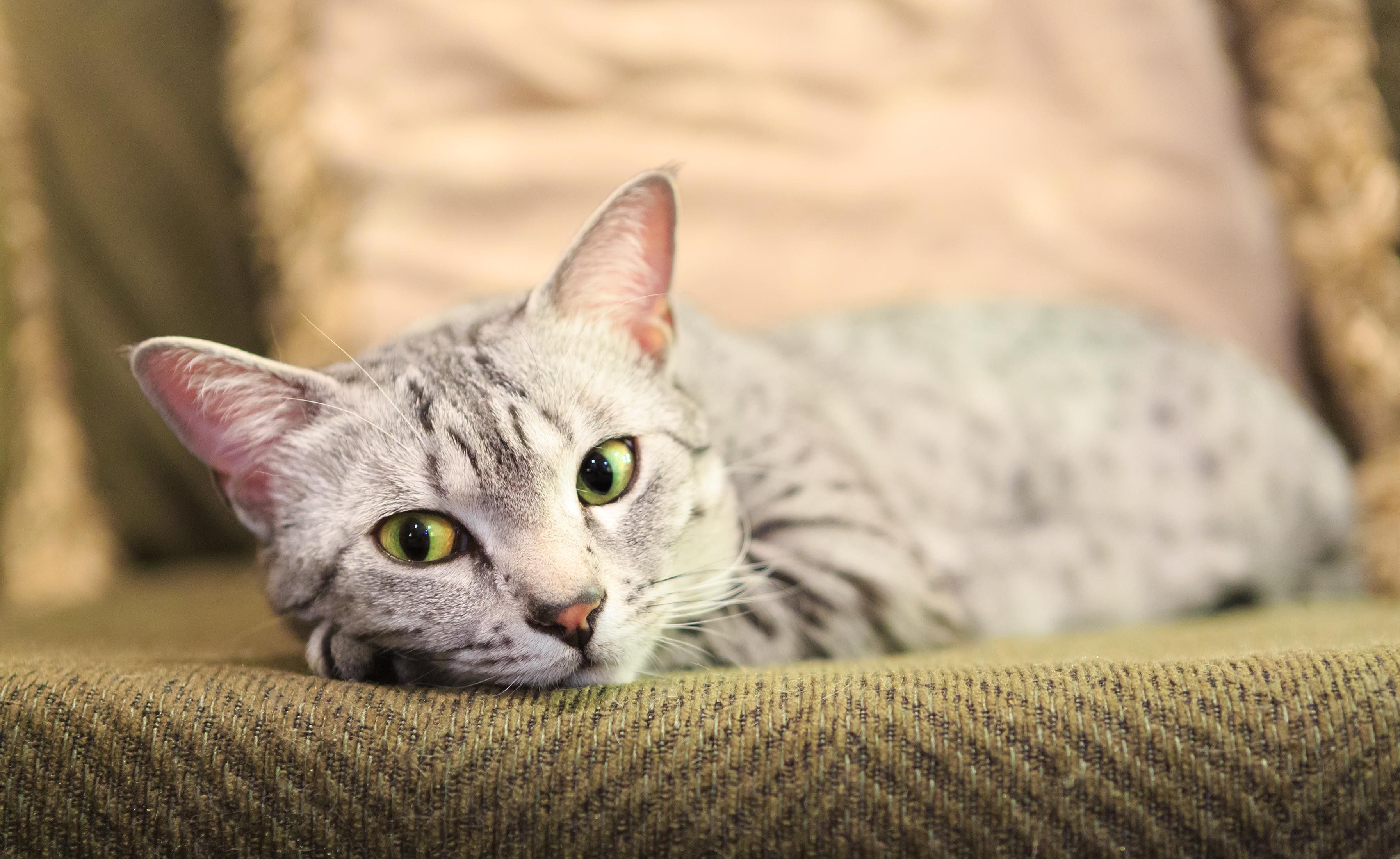
Though stunning, Egyptian Maus are more than just pretty cats. They require dedicated caretakers who can provide them with ample exercise and enrichment.
Their medium-length, silky coat requires minimal grooming, but weekly brushing is recommended to remove loose hair and prevent mats. While Maus can live with a family, they’ll require proper socialization—as with any other pet.
Egyptian Mau FAQs
How much do Egyptian Mau cats cost?
Purchasing an Egyptian Mau kitten for a companion pet costs about $1,000–$2,000.
Why are Egyptian Mau cats so expensive?
Egyptian Mau cats are expensive because they are relatively rare, have naturally occurring spots, and have a rich history. It’s said that World War II nearly wiped out the breed, but in 1956, exiled Russian princess Nathalie Troubetskoy brought them to the U.S. and from the brink of extinction, according to the Global Egyptian Mau Society.
Is an Egyptian Mau a good pet?
Egyptian Maus make great pets for caretakers who can provide them with plenty of exercise and enrichment. They can live with a family, including small children, dogs, and other cats.
How long do Egyptian Mau cats live?
Egyptian Mau cats can have a lifespan anywhere between 9 and 20 years. That life expectancy can change based on a variety of factors, including their diet, home environment, exercise frequency, and whether or not they came from a reputable breeder.
Featured Image: nature picture/iStock / Getty Images Plus via Getty Images