How To Treat Heartworms in Dogs


gpointstudio/iStock / Getty Images Plus via Getty Images
Heartworm disease is a common and serious condition that threatens dogs across the United States and throughout the world. A 2022 American Heartworm Society (AHS) survey noted that cases were reported in every U.S. state.
Without treatment, dogs with heartworms can become very ill—and possibly die. Infected dogs also serve as a reservoir of disease in the community as mosquitoes spread heartworms from dog to dog.
If a mosquito bites an infected dog, within a short time the mosquito can spread heartworms to other unprotected dogs, as well as to cats and ferrets.
While a heartworm preventative is the best way to keep your dog safe, the good news is that dogs who do test positive for heartworms can still be treated and cured of the disease.
Treating Heartworms in Dogs
Heartworm Testing for Dogs
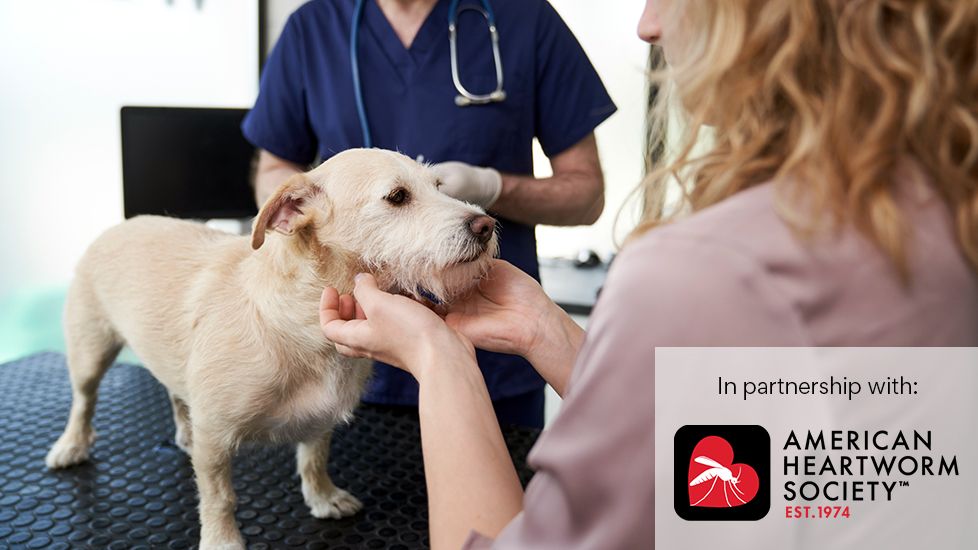
Because heartworm disease is common and easily transmitted, veterinarians routinely screen dogs by taking a small sample of blood. For dogs on a heartworm prevention medication, heartworm tests are recommended and usually done during annual checkups.
Heartworm treatment is not without its challenges, given the need for multiple medications and veterinary visits, as well as activity restriction during and after treatment.
Veterinarians also test dogs for heartworms when they have reason to suspect the dog might have become infected. This might be because the vet notices signs of disease, such as coughing or difficulty breathing, or because there has been a lapse in prevention.
For example, sometimes pet parents forget to give their dog one or more of the regular doses of medication needed throughout the year.
Newly adopted dogs are tested when a pet parent is unsure whether they have been on heartworm prevention; this is often the case with dogs who have been rescued. Typically, these dogs are retested six months later because tests cannot detect heartworms until six to seven months after a dog has been infected.
Medications for Heartworm Treatment in Dogs
If testing determines that your dog has heartworms, it is best to start treatment as soon as possible.
Delaying treatment allows the heartworm infection to progress and cause more severe and permanent cardiovascular damage.
The AHS-recommended heartworm treatment protocol is designed to eliminate heartworms as quickly as possible while minimizing complications. Treatment involves a series of medications given in stages over several months.
Stabilization
While many dogs show no outward signs of disease when diagnosed with heartworms, they might experience coughing, difficulty breathing, poor appetite, weight loss, or fatigue as the disease progresses. When clinical signs are present, dogs might first need to be stabilized with medications such as steroids before heartworm treatment can begin.
Medication Weakens the Heartworms
The next stage of heartworm treatment starts with two medications: a heartworm preventative and doxycycline, an antibiotic.
The purpose of the heartworm preventative is to reduce any existing immature worm infections the dog might have acquired, to prevent new infections, and to eliminate “baby” heartworms, called microfilariae.
Doxycycline is given twice daily for four weeks to weaken the adult worms living inside a dog. This makes the worms easier to kill and can help reduce the complications that can occur later when adult worms die inside the dog after melarsomine treatment.
The heartworm preventative and doxycycline can both be given at home by pet parents, under the direction of a veterinarian.
Melarsomine Eliminates the Adult Worms
The AHS recommends a 30-day waiting period between administering doxycycline and giving the next medication, melarsomine, which kills adult heartworms.
Melarsomine is an injectable medication given by the veterinarian in the veterinary office. It’s usually given in a series of three injections, with the second shot administered one month after the first one, and the third injection given one day after the second.
Activity restriction is especially important during this time and during the month that follows each injection. While killing the adult worms is necessary, dead and dying worms can cause blood vessel blockages and serious complications if the dog is not kept quiet and calm.
Activity Restriction
Physical exertion, which includes running, taking walks, and playing outdoors, should be restricted as soon as a dog’s heartworm diagnosis is confirmed. This restriction should continue until six to eight weeks after the final melarsomine injection.
While activity restriction can be challenging—especially for high-energy dogs—it is critical to treatment. Substituting mental stimulation for physical activity can be beneficial for both dogs and pet parents during this time.
Surgery To Remove Heartworms in Dogs
In severe cases of heartworm infection, dogs can develop a condition called caval syndrome, in which many worms occupy the right side of the heart, obstruct the flow of blood, and compromise heart function.
Dogs with caval syndrome typically experience difficulty breathing, weakness, and loss of appetite. These dogs might also faint or have pale gums, bloody urine, and/or a swollen abdomen. Caval syndrome is considered an emergency and is nearly always fatal if left untreated.
Treatment of caval syndrome requires removing the worms from affected chambers of the heart in a delicate surgical procedure. After the dog has recovered from the surgery and is stable, heartworm treatment with melarsomine can be administered to eliminate any remaining worms.
Prognosis for Dogs After Heartworm Treatment
Heartworm treatment is not without its challenges, given the need for multiple medications and veterinary visits, as well as activity restriction during and after treatment.
Because heartworm disease is progressive, the earlier dogs can be treated, the better. When dogs are treated promptly with the AHS treatment protocol and appropriately restricted and medicated at home, serious complications are uncommon and the prognosis for most dogs is good.
To ensure that all heartworm stages have been eliminated, your veterinarian will do blood tests at several intervals following treatment.
Prevention of Heartworm Disease in Dogs
Dogs who have been treated for heartworms can unfortunately become reinfected if they are not on consistent year-round heartworm prevention.
Going forward, pet parents might prefer to give a monthly chewable or a topical preventive—or have their veterinarian administer heartworm prevention with a twice-yearly or annual injection.
Talking to your veterinarian about options can help you select a product that fits your lifestyle and budget.
Without treatment, dogs with heartworms can become very ill—and possibly die. Infected dogs also serve as a reservoir of disease in the community as mosquitoes spread heartworms from dog to dog.
Heartworms are spread by mosquitoes, so if you live in an area where mosquitos are common, you can add an extra layer of protection for your dog by using an approved mosquito repellent on your pup.
This includes keeping your dog indoors during peak mosquito periods and implementing environmental mosquito control measures such as getting rid of standing water in your yard and spraying for pests during warm-weather months.
While mosquito control is an important measure, it should not be considered an adequate substitution for giving a dog or cat a heartworm preventative.
How To Treat Heartworms in Dogs—FAQs
Can heartworms in dogs be cured?
Yes. While treatment includes giving several different medications over a period of weeks and months, dogs infected with heartworms can be successfully treated. It’s critical that dogs undergoing treatment be kept quiet and calm from the time of diagnosis until several months after the treatment has ended.
Can I treat my dog for heartworms at home?
The medications used to treat heartworms in dogs must be prescribed by veterinarians, and some of these medications can be administered only by a vet.
However, except for dogs with severe disease who need to be hospitalized or dogs who require surgery to remove heartworms, most dogs can recover at home during treatment. Periodic veterinary visits are needed both to assess the dog’s recovery and for the veterinarian to administer medications that must be given by injection.
How much does it cost to treat a dog with heartworms?
The cost of heartworm treatment varies depending on the severity of a dog’s disease and fees for medications and veterinary care where you live. Heartworm treatment can be quite expensive, costing from hundreds to thousands of dollars. However, the price of heartworm prevention is a fraction of the cost of treatment and is a safer and much more cost-effective alternative.


