Can Dogs Get the Flu? Understanding Canine Influenza Symptoms and Treatment



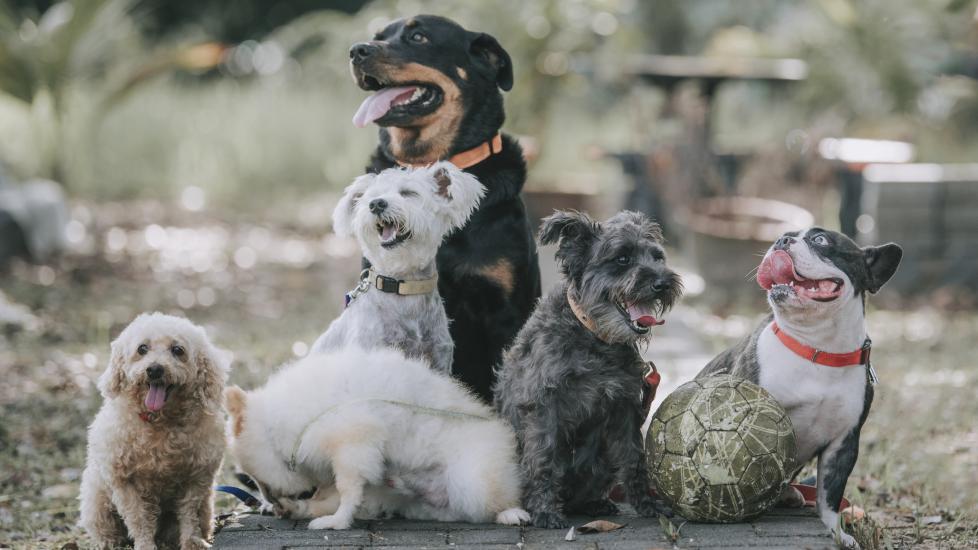
dwin Tan/E+ via Getty Images
Canine influenza virus (CIV), commonly referred to as dog flu, is a highly contagious respiratory virus that affects dogs of all ages and breeds. Dog flu has been reported in most parts of the U.S.
Key Takeaways
- Dogs can get the flu—and it's highly contagious to other pups.
- If your dog begins to experience flu-like symptoms, take them to the vet. Early veterinary care helps prevent complications like pneumonia.
- Most dogs recover from the flu within two to three weeks. complications like pneumonia.
- Vaccination and practicing good hygiene for your pup helps to reduce the risk of infection.
Can Dogs Get the Flu?
Yes. Fortunately, dog flu doesn’t commonly cause death in dogs.
Dog flu is caused by two different types of influenza viruses: H3N2 and H3N8. Both strains orginated in other species, including birds (H3N2) and horses (H3N8) before adapting to dogs. The flu virus can also affect cats.
Common Dog Flu Symptoms
Because dog flu is a virus that affects the lungs, your dog will experience respiratory and flu-like symptoms.
Symptoms of canine respiratory virus include:
-
A dry cough, which often persists for weeks
-
Fever (103 F and above)
-
Nasal and eye discharge
-
Lethargy or decreased energy
In severe cases of dog flu, your dog may experience secondary bacterial infections, fever, and even pneumonia, which can be life-threatening.
If your dog begins to experience flu-like symptoms, take them to the vet immediately.
Is Dog Flu Contagious to Other Dogs?
Dog flu is extremely contagious to other dogs. Studies have shown that the virus can travel up to 20 feet in dogs’ respiratory droplets when they sneeze or cough.
This is the primary route of infection, but dogs can also become infected with dog flu through:
-
Contaminated food bowls
-
Contaminated water bowls
-
Shared toys
-
Leashes
-
Collars
-
Clothing
-
Indirect human contact (such as handling an infected dog and then touching/playing with other dogs)
Dog flu can also survive in the environment for an extensive amount of time.
Canine respiratory virus can survive on skin and hands for 12 hours, on clothing for 24 hours, and on surfaces for up to 48 hours.
It takes two to four days after exposure to the virus before clinical signs develop. This is called the incubation period.
Even though any dog can become infected with dog flu, dogs adopted from shelters or those who frequent crowded places like dog parks, doggy daycares, or kennels may be at increased risk.
How Veterinarians Diagnose Dog Flu
Symptoms of dog flu will resemble many other types of respiratory infections. Because of this, it’s important that your dog be tested so they receive the right treatment.
To diagnose dog flu, your vet will perform a PCR panel.
A swab is obtained from your dog’s nose, conjunctiva (pink mucus membrane inside the eyelid), or pharynx (back of the throat where the esophagus and trachea/windpipe meet the mouth).
Then, this sample is sent to a laboratory and analyzed for DNA containing the virus.
Additional testing such as blood work and chest radiographs are often recommended to evaluate your dog’s general health and hydration status.
This testing is also used to look for evidence of pneumonia, which must be treated aggressively.
Call your veterinarian prior to arrival to let them know that your dog is experiencing flu-like symptoms. There are protocols and procedures that your vet must follow to prevent transmission to other dogs in the office.
Treatment of Dog Flu
Treatment of dog flu is largely supportive.
Keeping your dog calm, rested, and hydrated is paramount to ensuring a speedy recovery. In the hospital, this may include IV fluids, cough suppressants, and nutritional support.
For cases involving secondary bacterial infection, an antibiotic such as Clavamox or doxycycline, among others, is often prescribed.
Infected dogs should be isolated from all other pets at the onset of symptoms and up to three to four weeks.
Do not bring your dog to any of the following places while they recover:
-
Dog parks
-
Boarding facilities
-
Playgroups
-
The groomer
-
Daycare
Because dog flu can be transmitted from clothing, pet parents should change clothes/shoes and disinfect with thorough handwashing before interacting with other pets.
Recovery and Management of Dog Flu
Fortunately, many pups recover from dog flu within a few weeks and have little to no lasting complications. However, your dog may have a cough that lasts during this period.
Younger or older dogs—or dogs that are immunocompromised—may experience more severe symptoms such as pneumonia and may even pass away from the disease.
To ensure the best outcome possible, it’s important to seek veterinary attention at the first sign that your dog is sick.
Preventing Canine Influenza
Fortunately, there’s a flu vaccine for dogs designed to protect against both strains of dog flu.
Nobivac and Zoetis both manufacture the vaccine, which can be given to puppies as young as 7 or 8 weeks of age, with a booster three weeks later and yearly thereafter.
Side effects are rare and include symptoms associated with hypersensitivity and allergic reactions, such as:
It’s important to ensure your dogs are up-to-date on their vaccines. Limit your dog’s time at doggy playgroups, boarding facilities, and similar spaces—especially if there are dogs around that are either unvaccinated or of unknown vaccination history.
Proper hand and paw washing when leaving these places can help prevent illness. Consider using a dog paw cleaner like the Dexas Popware MudBuster Portable Dog Paw Cleaner.
Ask your veterinarian if vaccinations for respiratory illnesses should be part of your dog’s preventative care plan.
Keep in mind that vaccines may not always prevent infection but will make it less likely. If your dog is vaccinated and does get infected, symptoms are often milder, and the course of disease is shorter.
Fortunately, the influenza virus is easily killed in the environment, typically with routine household cleaners like bleach and soapy water.
Dog Flu FAQs
Can dogs get the flu from humans?
There’s no evidence that dogs can get the human flu.
Is there an at-home treatment for dog flu?
Dogs with a mild case of the flu that are still eating, drinking, and acting normal otherwise can be treated at home without having to be hospitalized.
Minor coughing can be helped with a humidifier or breathing in hot steam from the shower. Always reach out to your vet to determine the best course of treatment depending on your dog’s individual case.
How long does the flu last in dogs?
Most dogs recover from the flu within two to three weeks.
Pups that have more severe illness such as pneumonia may take longer to recover. Prompt medical treatment can help decrease the chance of severe flu-like symptoms in dogs.