Excessive Drooling in Dogs

Wavetop/iStock / Getty Images Plus via Getty Images
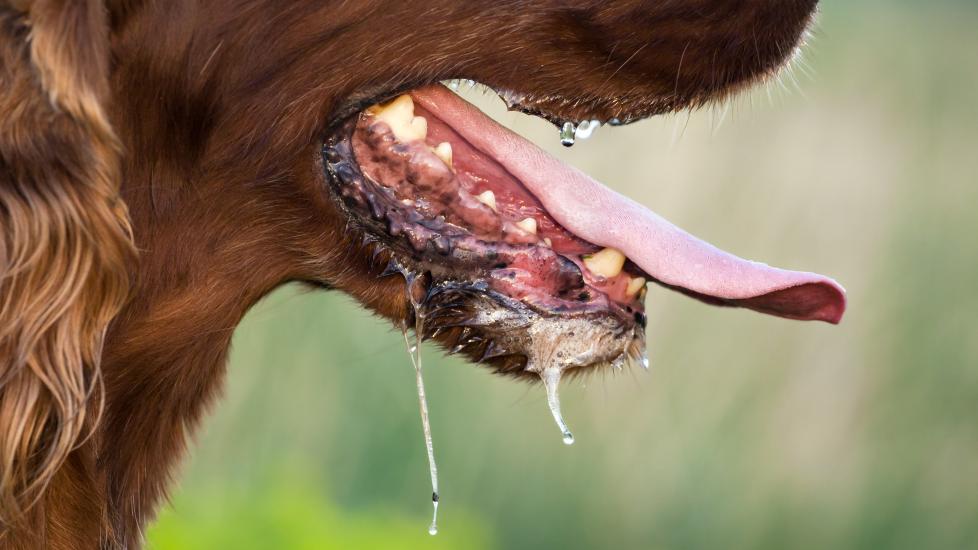
Dog drooling can be normal for many pups. But if your dog is drooling a lot more than usual—or if they never drool and then your dog is suddenly drooling excessively—it’s cause for concern.
Excessive drooling in dogs can have a lot of different causes. Here’s some insight on what to check for, what might be causing your dog to drool a lot, and when to seek help from a vet.
Health Tools
Not sure whether to see a vet?
Why Do Dogs Drool?
When a dog eats, the salivary glands in their neck and jaw area produce saliva to help with digestion. Drooling occurs when this saliva escapes the mouth. It may happen if your dog sees a treat or when you’re opening a can or bag of dog food.
Dog drooling is not an issue in most breeds. However, breeds with large upper lips—such as the Mastiff and St. Bernard—will usually drool more than others.
Why Is My Dog Drooling a Lot?
Many conditions can cause dog drooling. A few common reasons include:
-
Gastrointestinal disorders—Conditions involving the gastrointestinal tract, such as esophagitis, gastritis, enteritis, pancreatitis, foreign body obstruction, gastric ulceration, inflammatory bowel disease, and gastrointestinal cancers can cause drooling in dogs. Usually this is secondary to nausea caused by these medical conditions.
-
Gum (periodontal) disease or other oral issue—Drooling can be caused by periodontal disease such as gingivitis or stomatitis, or other oral problems such as a sialocele, tumor, or infection. Look for other signs such as a mass, blood, pus, or bad breath.
-
Mouth injury—Blunt force trauma, chewing on a sharp object, or foreign material that’s lodged in the mouth (splinter or piece of bone) may be to blame.
-
Chemical or electrical burn—Many caustic chemicals, such as battery acid, and any electrical burn (for example, from chewing an electrical cord) can cause bleeding and sometimes drooling. Chemical burns are often accompanied by pain and lesions, and your pet may paw at their mouth. Call your vet right away if you suspect these types of injury.
-
Toxins and venoms—Consuming a poisonous plant, food, or drug can cause anything from drooling and pawing at the mouth to life-threatening side effects. Animal venom or secretions, such as a bite from a black widow spider or licking a toad, can also cause your dog to drool.
-
Anxiety—You might notice excessive salivation as the result of anxiety caused by going to the vet, moving to a new home, or even riding in a car. Your dog may also be restless, pant, or have diarrhea along with the drooling.
-
Pain in the abdomen—Abdominal pain often appears together with other signs, such as restlessness, diarrhea, loss of appetite, or even abdominal distention. Some dogs will guard their abdomen to avoid being touched where it hurts.
-
Neurological conditions—Dog drooling could indicate damage to the nerve that connects to the salivary gland, damage to the salivary gland, or damage to the brain. You may also see uneven pupils, lethargy, and weakness. Some neurological conditions can also make it hard for your dog to swallow their saliva. If your dog has difficulty swallowing, call your vet right away.
-
Viral or bacterial infection—Rabies and tetanus can both cause drooling in dogs.
-
Congenital defects—These are conditions that dogs are born with. A few examples include a hiatal hernia (when the upper section of the abdomen pushes into the chest) or portosystemic shunt, a circulatory abnormality.
Is Excessive Drooling in Dogs an Emergency?
When dog drooling is due to a medical condition, it's often associated with other symptoms. Seek immediate veterinary help if your dog shows other signs, such as:
-
Vomiting or regurgitation
-
Diarrhea
-
Bleeding
-
Lethargy or weakness
-
Loss of appetite or other changes in eating behavior
-
Changes in behavior, such as aggressiveness or whining, which can indicate pain
-
Dizziness, head-tilting, or trouble with balance
-
Difficulty swallowing
-
Uneven pupils
-
Restlessness or panting
-
Abdominal distention
-
Pawing at the mouth
How Veterinarians Diagnose Excessive Drooling in Dogs
To diagnose excessive do drooling, your vet will do a physical exam and will check your pup’s mouth and neck. They will take a full medical history, including vaccinations, medications, exposure to potential poisons, and foreign objects that your dog could have eaten.
Your vet may recommend certain diagnostic tests, depending on the most likely suspected cause. These tests may include bloodwork and X-rays. If the issue appears to be more serious, you vet may refer you to a specialty referral facility for advanced diagnostics potentially including CT, MRI, ultrasound, or even endoscopic or surgical biopsies.
Treatment of Excessive Drooling in Dogs
Depending on the cause, treatment of dog drooling may include:
-
Dental treatment—If the cause is due to periodontal disease, your vet may advise cleaning or teeth removal.
-
Medication—Such as antibiotics if the cause of your dog’s drooling is bacterial.
-
Surgery—Your pup may need surgery if the cause is trauma, tumors, or congenital defects.
-
Radiation or chemotherapy—These treatment methods may also be suggested to treat tumors.
-
Pain medication and anti-inflammatory medications
-
Medicated mouthwash (with diluted chlorhexidine or benzoyl peroxide)
Prevention of Excessive Drooling in Dogs
The ability to prevent excessive dog drooling may depend on the underlying cause.
However, some basic guidelines include trying to prevent GI upset and ingestion of foreign bodies. Use caution to help prevent your furry friend from getting into food and non-food items that they should not eat.
If you are changing your dog's diet, do so slowly with a transition from old to new food.
Being vigilant about your pup's oral health may also be a good way to help prevent dental problems that can lead to drooling. Brushing your pet’s teeth can help keep them healthy. There are many other options for dogs who dislike brushing including dental wipes, powders, and water additives.
Excessive Drooling in Dogs FAQs
Do dogs drool when they have an upset stomach?
Yes! Dog drooling is a common sign of nausea or upset stomach in dogs. This may be accompanied by inappetence, vomiting, or diarrhea. If your pet is showing these symptoms, you should give your veterinarian a call as they may need an in-person vet visit to feel better.
Should I be worried if my dog is drooling?
Dog drooling can be normal in some pups.
However, if the drooling is new or excessive, it could be signs of a medical condition including upset stomach, dental disease, and more. A vet visit could help determine the cause and if your dog needs any tests or treatments.
Do dogs drool more as they age?
Not typically. If a dog is drooling more as they age, they could have developed dental disease or even oral tumors. If your dog is drooling a lot, a vet visit is recommended to determine why.
References
Reiter, Alexander. Merck Veterinary Manual. Salivary Disorders in Small Animals. May 2014.
Reiter, Alexander. Today’s Veterinary Practice. Effects of Diets, Treats, and Additives on Periodontal Disease. December 2019.