Tibetan Terrier



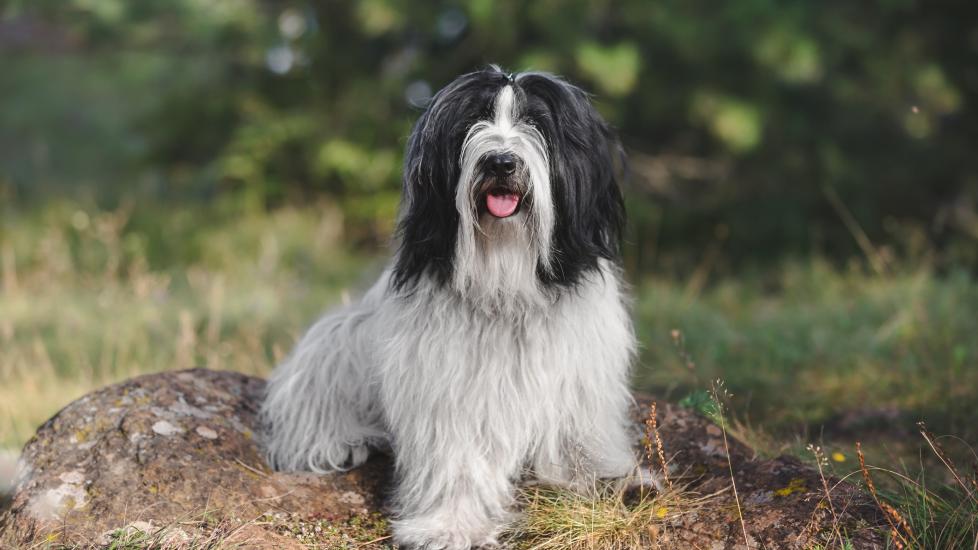
The Tibetan Terrier is a shaggy pup bred in Tibetan monasteries more than 2,000 years ago to be a companion pet who looked after the community. Today, they are known to be highly devoted to their family members. Tibetan Terriers are not actually terrier dogs—the American Kennel Club (AKC) classifies them as a non-sporting breed.
The size of Tibetan Terriers ranges from 14 to 17 inches tall and up to 30 pounds. The breed is characterized by a double coat, which kept them warm in their cold homeland. Their snowshoe-like feet, which are wide and round with a flat bottom, provided traction as they navigated the snow-covered mountains of Tibet.
Caring for a Tibetan Terrier
The Tibetan Terrier is a loving family dog, but they may be aloof and watchful around new people thanks to their history as monastery guardians. Socializing a Tibetan Terrier puppy early and consistently can help them become more accepting of strangers.
Tibetan Terriers require at least an hour of exercise daily, but happily accept more activity if given the opportunity. They also need to be brushed once or twice a week to prevent their long, double coat from matting.
Tibetan Terrier Health Issues
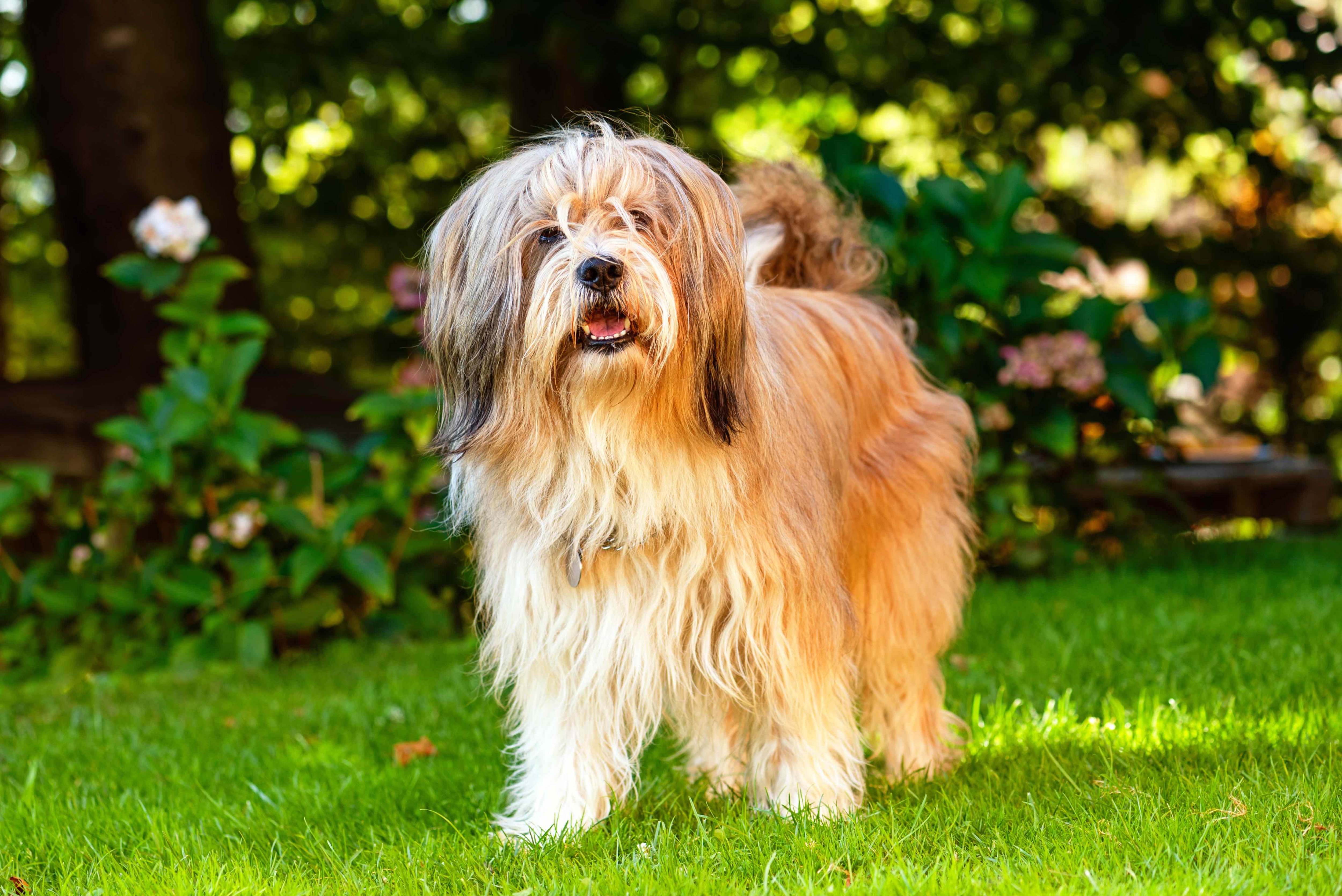
The Tibetan Terrier is generally a healthy breed with a lifespan of 15–16 years. However, they are prone to some inherited conditions.
Eye Disorders
Tibetan Terriers are prone to many different eye conditions, including:
-
Cataracts: A cataract occurs when the lens within the eye becomes cloudy. Cataracts can develop secondary to diabetes mellitus in some Tibetan Terriers. The cataract’s size determines the degree of vision impairment, and surgery to remove the cataract may be needed to restore eyesight.
-
Progressive retinal atrophy (PRA): PRA causes the retina to slowly degenerate, leading to blindness. There is no cure for PRA, but blind Tibetan Terriers can a live long, happy life with proper care.
-
Neuronal ceroid lipofuscinosis: This is an inherited neurologic disease that causes progressive and irreversible central nervous system changes. Tibetan Terriers with this condition can develop aggression, difficulty walking, altered vision, and seizures.
-
Primary lens luxation: Lens luxation is a painful genetic eye condition in which the lens is displaced. This condition can cause blindness if surgical correction is not performed quickly.
-
Distichiasis: Distichiasis causes extra eyelashes to grow and rub against the eye’s surface, causing irritation and possibly corneal ulcers. Cryosurgery can be performed to freeze the hair follicles of the extra eyelashes to prevent regrowth; however, the procedure may need to be repeated.
Hip Dysplasia
Hip dysplasia is an inherited orthopedic condition that causes faulty hip joint alignment, which can lead to arthritis. Hip dysplasia can develop in one or both hip joints. Tibetan Terriers can be born with congenital hip dysplasia or develop the condition during their senior years. Symptoms include:
-
Lameness
-
Slowness to rise from a lying position
-
“Bunny-hopping” gait when running
-
Reluctance to run, jump, or go up or down stairs
-
Holding the affected leg out to the side when sitting up
Reputable Tibetan Terrier breeders will screen their dogs for this condition, so it’s best to purchase a puppy from a breeder who has PennHIP-certified dogs. Hip dysplasia can generally be managed with joint supplements and medications, but serious cases may require surgery.
Patellar Luxation
Patellar luxation causes a dog’s kneecap (patella) to move out of place (luxate), most often because the groove housing the kneecap is too shallow. There are varying degrees of kneecap luxation, with the most severe requiring orthopedic surgery. Reputable breeders will have their dogs evaluated for patellar luxation to ensure that only those without this medical condition are used for breeding.
Insulin-Dependent Diabetes Mellitus
Diabetes mellitus (DM) is an endocrine disorder characterized by an insulin deficiency that leads to elevated blood glucose levels. Middle-aged Tibetan Terriers have a higher risk of developing the condition than most other dog breeds. DM is managed with insulin injections, a strict diet, and blood glucose monitoring.
Atopic Dermatitis
Atopic dermatitis, or atopy, is an inflammatory skin condition characterized by severe itching. Atopy is triggered by environmental allergens, such as pollen, dust mites, or mold. Symptoms usually develop between 2 and 6 years of age, so regular veterinary visits are important to monitor your dog’s skin health.
Atopy is not curable, but the associated itching can be managed with medications such as Apoquel® and Cytopoint®, and by treating secondary skin infections that arise.
When considering bringing home a Tibetan Terrier puppy, locate a breeder whose dogs are examined routinely by a veterinarian and undergo genetic testing to minimize the risk of inherited conditions.
What To Feed a Tibetan Terrier

Tibetan Terriers should be fed a high-quality dog food formulated for small- or medium-sized breeds that meets the nutritional standards set by the Association of American Feed Control Officials (AAFCO).
How To Feed a Tibetan Terrier
Adult Tibetan Terriers should be fed twice daily. Tibetan Terrier puppies need to eat more frequently—up to three or four times per day. Like all dogs, Tibetan Terriers should always be fed a diet that matches their life stage (puppy, adult, or senior), and no more than 10% of their diet should consist of treats.
How Much Should You Feed a Tibetan Terrier?
Dog food packaging provides guidance on how much to feed your dog based on their ideal weight. But for the best advice, consult your veterinarian. A vet can tell you how much to feed your Tibetan Terrier based on their health, lifestyle, and age.
Nutritional Tips for Tibetan Terriers
A healthy Tibetan Terrier fed an AAFCO-compliant dog food shouldn’t need anything additional. However, there are instances where a veterinarian may recommend supplements for your dog.
For example, if your Tibetan Terrier has atopic dermatitis, an omega-3 fatty acid supplement containing EPA and DHA can help reduce skin inflammation and promote a shiny, healthy coat. Tibetan Terriers with joint issues, such as a patellar luxation or hip dysplasia, may benefit from a joint supplement and an omega-3 fatty acid supplement to reduce joint inflammation.
Talk with your veterinarian to find out if your Tibetan Terrier would benefit from a supplement.
Behavior and Training Tips for Tibetan Terriers
Tibetan Terrier Personality and Temperament

Tibetan Terriers are devoted family members and extremely affectionate to those who care for them. Because of their history as monastery guardians, they may be suspicious of new people and might bark at strangers.
Tibetan Terriers need at least an hour of exercise every day; this could be a long walk, hike, or running around the backyard. They can be good with young children and other dogs when introductions are supervised and done properly. Enrolling your Tibetan Terrier puppy in socialization classes before they’re 16 weeks old can help them become comfortable around children, other dogs, and new people.
Tibetan Terrier Behavior
Tibetan Terriers were bred to be companion pets and are devoted to their family members. Because of this, they may develop separation anxiety when left alone. It’s important to crate train puppies at an early age and provide interactive toys when they’re left alone to help keep them occupied.
Tibetan Terriers can bark at things they deem a threat, including neighbors walking by or a delivery person ringing the doorbell. Early socialization and positive reinforcement can help keep your pup from barking excessively.
Tibetan Terrier Training
Due to their high intelligence and loyalty, Tibetan Terrier puppies are usually easy to train. They respond well to positive reinforcement, such as receiving praise and treats when they behave properly.
Tibetan Terrier puppies should be enrolled in socialization, obedience, and puppy training classes at a young age, ideally before they’re 16 weeks old. Crate training can help prevent separation anxiety.
Fun Activities for Tibetan Terriers
-
Long walks
-
Hiking
-
Nose work
-
Rally
Tibetan Terrier Grooming Guide
Tibetan Terriers are well known for their double coat. The top layer consists of long, fine fur that covers the wool-like undercoat. Their double coat protects them from harsh, cold environments, so they do well in chillier temperatures as long as it’s not too cold.
Tibetan Terriers require a moderate amount of maintenance to keep their coat free of mats and debris, such as leaves and sticks.
Skin Care
Tibetan Terriers can develop allergy-related skin issues, so it’s important to check their skin frequently and contact your veterinarian if you notice any changes such as redness or dryness. While frequent bathing isn’t necessary, Tibetan Terriers should be bathed when their coat becomes dirty or smelly.
Coat Care
The Tibetan Terrier’s long, double coat should be brushed several times a week to prevent matting. A professional groomer can help minimize coat care needs by keeping their fur trimmed shorter so it’s easier to manage. Even with a shorter cut, the Tibetan Terrier still needs to be brushed frequently to prevent mats.
Eye Care
Tibetan Terriers are genetically prone to several different eye disorders. When researching a Tibetan Terrier breeder, work with one who has their breeding dogs examined and tested for various ocular disorders. It’s important to buy a Tibetan Terrier puppy from a breeder who only breeds dogs without a history of eye issues.
After bringing home your pup, schedule a wellness exam with your veterinarian to have their eyes looked at. This should be done once a year. If you notice any changes in your dog’s eyes or vision (for example, if you notice your Tibetan Terrier bumping into things or hesitating to go outside after dark), schedule a vet appointment as soon as possible.
In addition to many eye conditions, Tibetan Terriers can develop tear staining, which can be removed with a pet-safe wipe or a warm, moist washcloth.
This breed’s long hair can also affect their vision, so keep the fur around your Tibetan Terrier’s eyes trimmed short enough to prevent it from getting in your pup’s way.
It’s important to buy a Tibetan Terrier puppy from a breeder who only breeds dogs without a history of eye issues.
Ear Care
Tibetan Terriers are not as prone to frequent ear infections as some other dog breeds. However, they can occasionally develop ear infections, especially if they have allergies or get water in their ears during a bath.
Cleaning their ears with a routine ear cleaner that contains a drying agent can help minimize ear infections. It’s also important to clean their ears after a bath or other water activity, such as swimming. If your Tibetan Terrier has allergies, ask your veterinarian how often you should clean your dog’s ears to reduce the risk of infection.
Considerations for Pet Parents
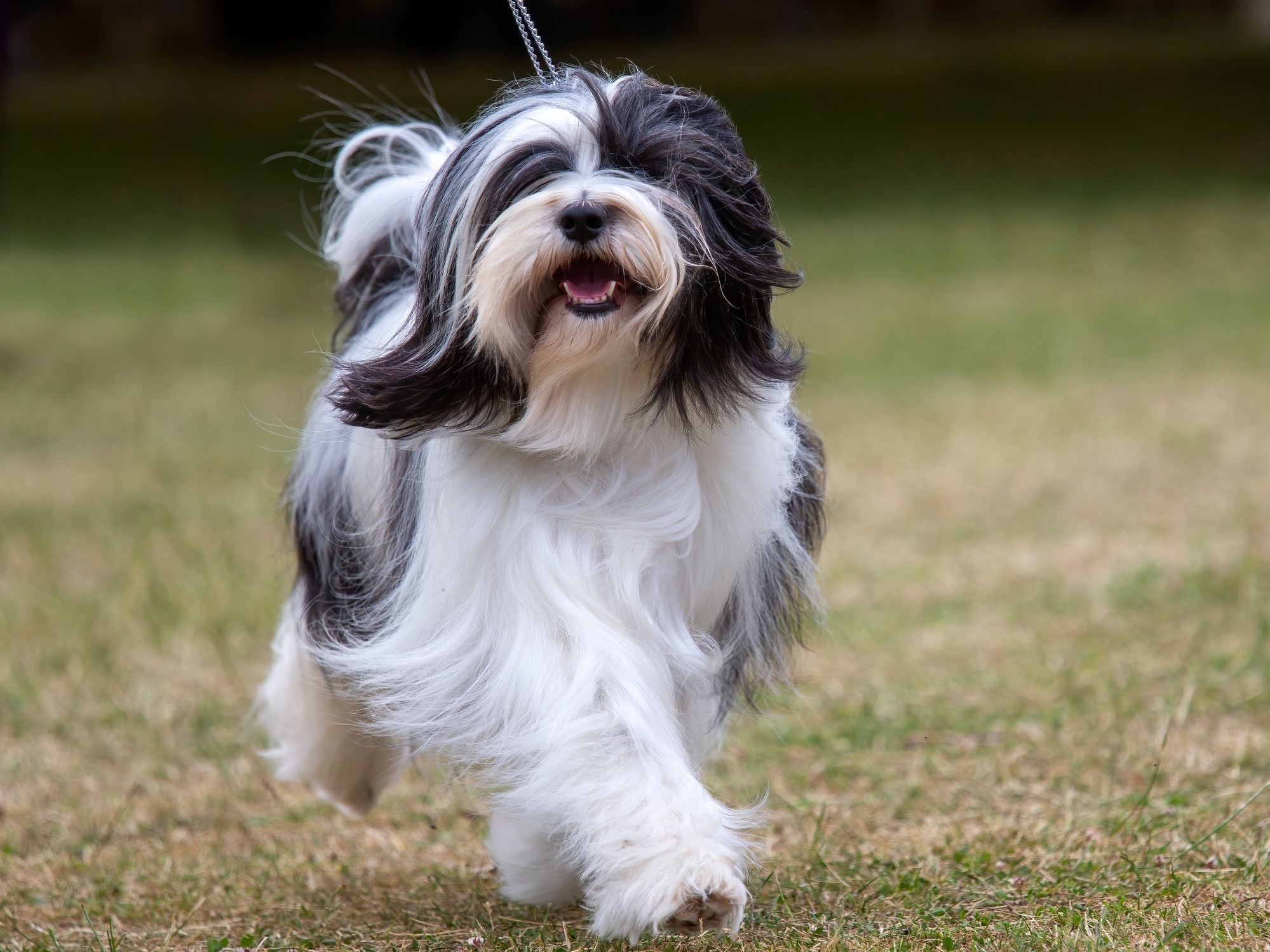
Tibetan Terriers need at least one hour of exercise daily, and they tend to bark a lot. For these reasons, they may not be ideal for apartment living and will likely do best in a house.
Although Tibetan Terriers do not require a fenced yard, they will need long daily walks or hikes if they do not have a place to burn excess energy. Without adequate exercise, Tibetan Terriers can become destructive.
Tibetan Terrier pet parents also need to keep up with their dog’s grooming and social needs. Brushing their coat a few times every week will keep it mat-free while providing quality time together. Tibetan Terriers can develop separation anxiety if left alone for long periods, so they do best with people who work from home or who can bring their dog along on errands and adventures.
All Tibetan Terrier puppies should take socialization, puppy training, and obedience classes so they become comfortable around new people, young children, and other dogs.
Tibetan Terrier FAQs
Are Tibetan Terriers high-maintenance?
Tibetan Terriers require training, consistent and early socialization, lots of affection, at least one hour of exercise daily, and brushing sessions throughout the week. Some pet parents may consider this a lot of maintenance.
Is a Tibetan Terrier a good family dog?
Yes, the Tibetan Terrier is a good family dog. They are loyal and loving to their family members thanks to their history as companion pets. When properly socialized and trained, they can be well-behaved around children and other dogs.
Do Tibetan Terriers bark a lot?
Tibetan Terriers tend to bark when they feel unsure of a new person or situation. Early socialization and training can help curb this behavior.
Featured Image: SStajic/iStock / Getty Images Plus via Getty Images