Australian Terrier



Adobe Stock/Lidia
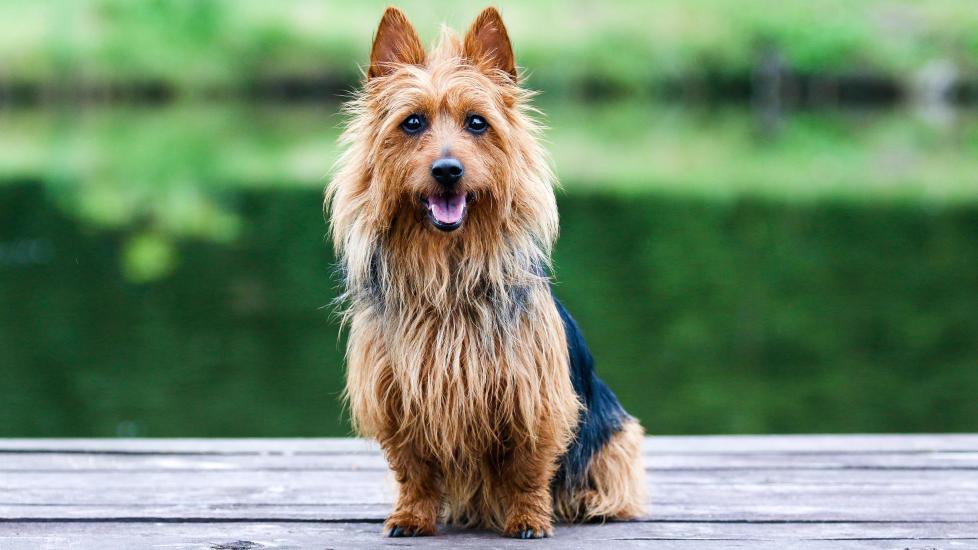
Short in stature but big on personality, the Australian Terrier is a lively companion. As the name suggests, this terrier originated in Australia in the 1800s as a result of cross-breeding a handful of other small terrier breeds from England, including the Cairn, Skye, and Yorkshire Terrier. The goal was to develop a dog with the agility and tenacity to assist Australian ranchers and farmers in keeping their property free of rodents and other predators.
Since the 1850s, the dogs have had their own identity as the Australian Terrier, and it was the first native breed to receive recognition in the land down under. The Australian Terrier dog breed received recognition from the American Kennel Club (AKC) in 1960.
Measured at the shoulder, a full-grown Australian Terrier dog is 10–11 inches tall. Their average weight is 15–20 pounds.
Caring for an Australian Terrier
Australian Terriers are adaptable to their environment as long as their needs for companionship, training, and exercise are met. These spunky dogs were bred to hunt rodents, so they’re not content to sit on the sofa all day. But their small size means they’re well-suited to apartment living—if they’re given sufficient exercise and mental stimulation.
Australian Terrier Health Issues
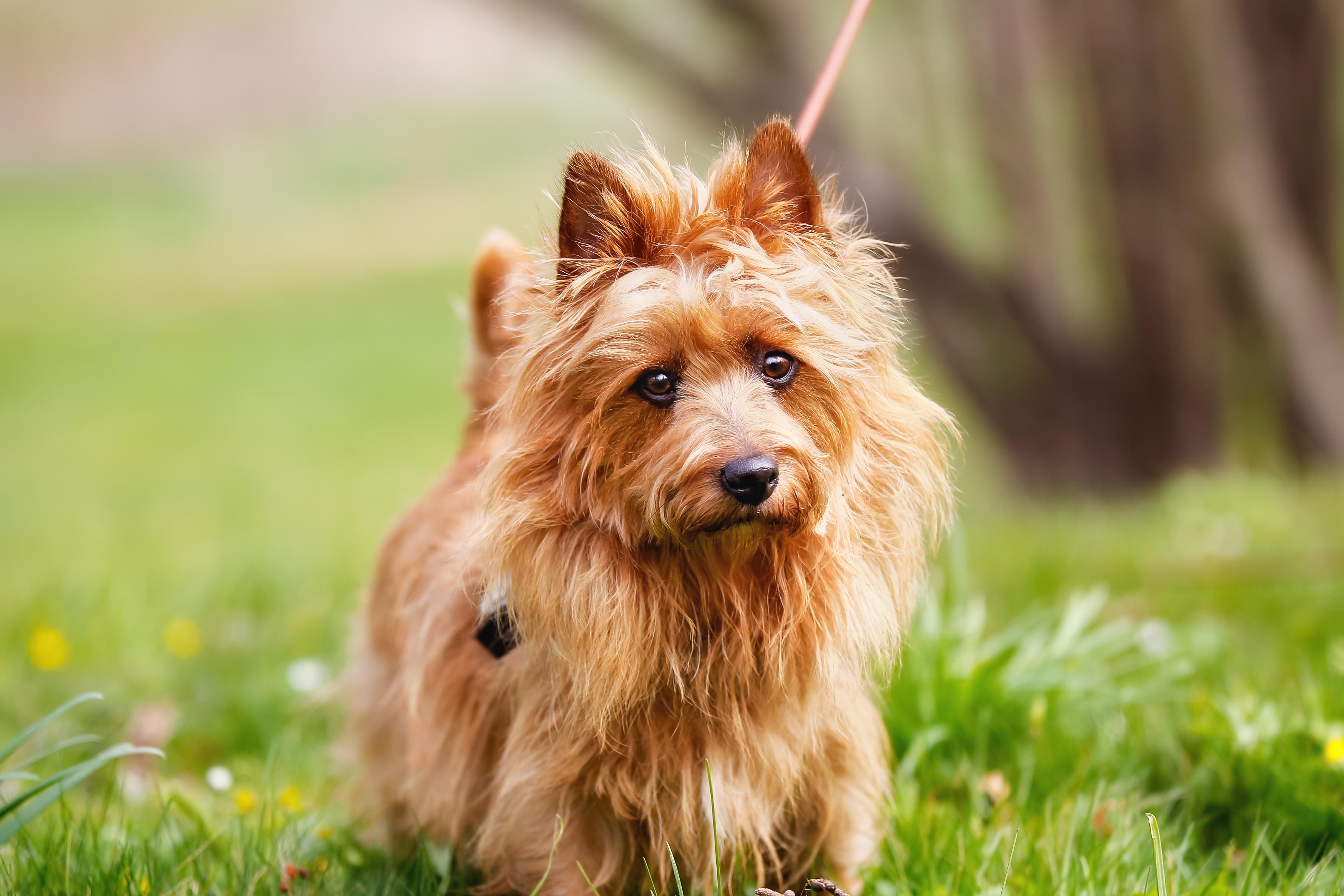
Australian Terriers are generally healthy dogs with an average lifespan of 11–15 years. Though they’re not prone to excessive health problems, a few joint-related issues have been known to surface within the breed.
Luxating Patella
Like many other small-breed dogs, the Australian Terrier can experience a dislocated kneecap, known as a luxating patella. This often displays as a limp, a bowlegged stance, and/or a cracking sound from the knee joint as it’s flexed.
Treatment depends on the condition’s severity and can include anti-inflammatory medications, weight management, exercise restriction, or surgical correction in severe cases.
Legg-Calve-Perthes Disease
Legg-Calve-Perthes disease causes the hip joint to disintegrate and become inflamed, resulting in pain when a dog moves the affected limb. Onset of the disease usually occurs when an Australian Terrier puppy is less than 1 year old.
Rest and cold therapy can alleviate some of the pain and swelling from inflammation, but surgery is the only way to correct the condition. With surgical intervention and rehabilitation exercises, the dog’s quality of life can be restored with little to no long-term effects.
What To Feed an Australian Terrier
Australian Terriers should be fed a high-quality commercial dog food that meets the standards set by the Association of American Feed Control Officials (AAFCO). If you’re not sure what to choose, your veterinarian can help you find the best food for your dog.
How To Feed an Australian Terrier
Feed your adult Australian Terrier two measured meals a day. For Australian Terrier puppies, three meals a day may be more appropriate to support their rapid growth and nutritional needs. At each meal, dispense a measured amount of kibble or canned wet food from a life stage-appropriate diet (puppy, adult, or senior).
While you might also reward your dog with a treat throughout the day, don’t overfeed them by boosting their calorie count with too many treats. Try substituting a whole-food treat, like apples or carrots cut into small pieces, for commercially available dog treats.
How Much Should You Feed an Australian Terrier?
Your AAFCO-approved dog food will contain feeding guidelines on the packaging. You can follow these recommendations, which are based on your dog’s weight. Your veterinarian can help give you guidance on how much to feed your dog that’s tailored to your specific Australian Terrier.
If you notice a sudden increase or decrease in your dog’s weight or need more specific guidance for your pet’s lifestyle, seek advice from your veterinarian.
Nutritional Tips for Australian Terriers
Because the Australian Terrier is somewhat prone to joint problems, your vet might suggest a joint supplement or joint-health diet. Typically, however, a dog eating an AAFCO-approved diet receives all needed nutrients and won’t need supplementation.
Behavior and Training Tips for Australian Terriers
Australian Terrier Personality and Temperament
The Australian Terrier temperament is self-assured and confident. That said, Australian Terriers need proper socialization and training to be fully comfortable in new situations, just like any dog breed.
Australian Terrier breeders emphasize that these dogs thrive with close human bonds, so Australian Terriers don’t do well when isolated for long periods. Their high energy level makes them great companions for children.
Australian Terrier Behavior
An alert companion, the Australian Terrier will not hesitate to bark at a stranger or unfamiliar noise. You shouldn’t expect them to be silent sentries at the window, but consistent training can help reduce barking.
Another common behavior of the Australian Terrier breed is digging. Because these terriers were originally bred to track and capture small prey underground, it comes naturally to them to dig in the yard or garden. They might do it to entertain themselves when left unattended in the yard or because they detect a burrowing animal.
If the digging activity is frequently in the same area, you can add rocks or chicken wire to discourage the behavior. Alternatively, set up a designated space for digging to satisfy the breed’s instinct.
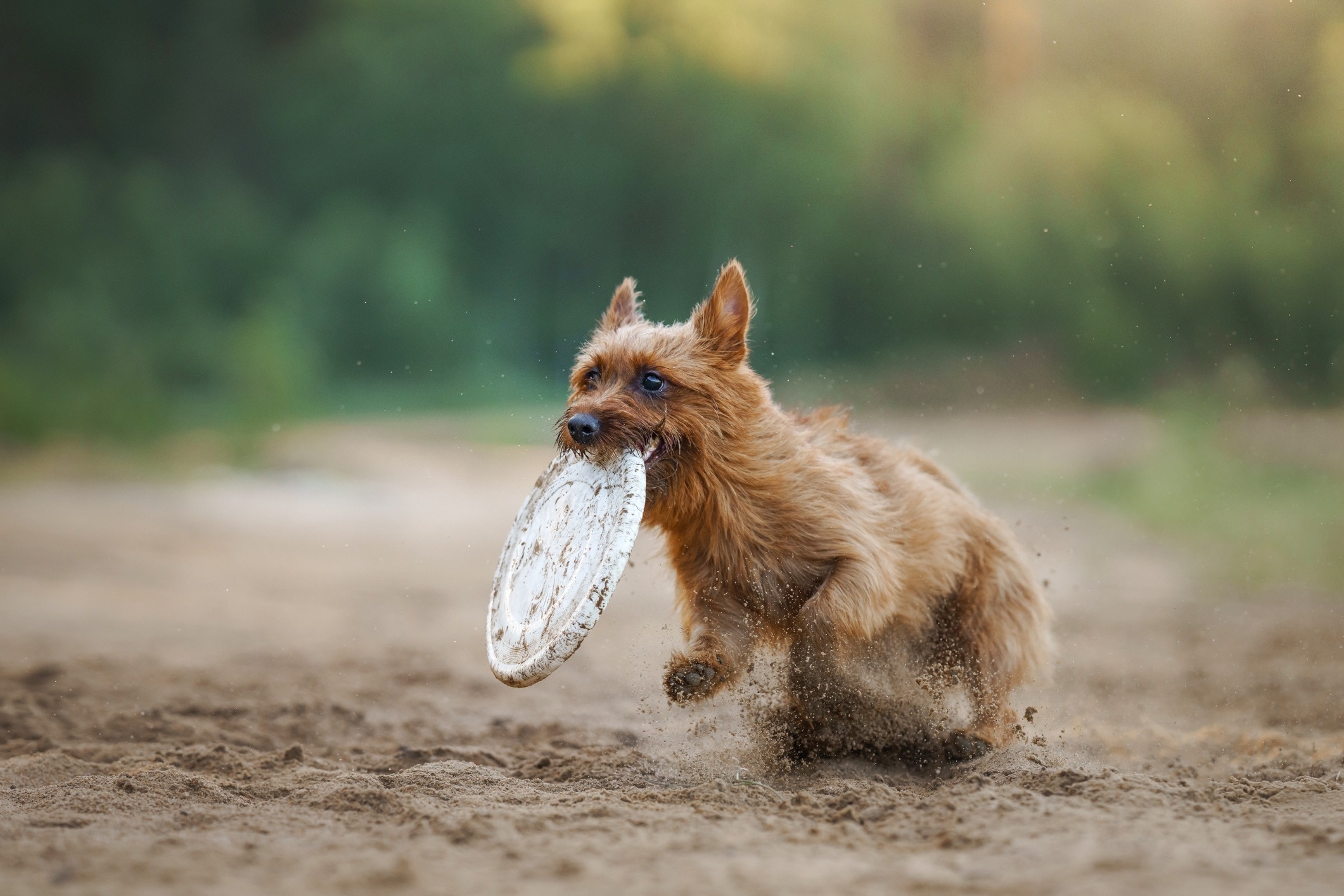
Keeping in mind that the Australian Terrier was bred to hunt rodents, it’s no surprise they have a strong prey drive. This is not a breed that can be trusted off-leash or in an unfenced yard. Their skill set makes them ideal candidates for scent work or tracking competitions, and they also excel in obedience and agility because of their desire to work alongside their human handler.
Keeping in mind that the Australian Terrier was bred to hunt rodents, it’s no surprise they have a strong prey drive. This is not a breed that can be trusted off-leash or in an unfenced yard.
Australian Terrier Training
Like all dog breeds, Australian Terriers respond best to positive reinforcement-based training. Their intelligence and energy make them good training pupils, especially if training is presented like a game.
You must begin socializing your Australian Terrier puppy as soon as you bring them home. Your veterinarian can help determine appropriate socialization activities.
Fun Activities for Australian Terriers
-
Nose work
-
Interactive playtime
-
Obedience
-
Rally
Australian Terrier Grooming Guide
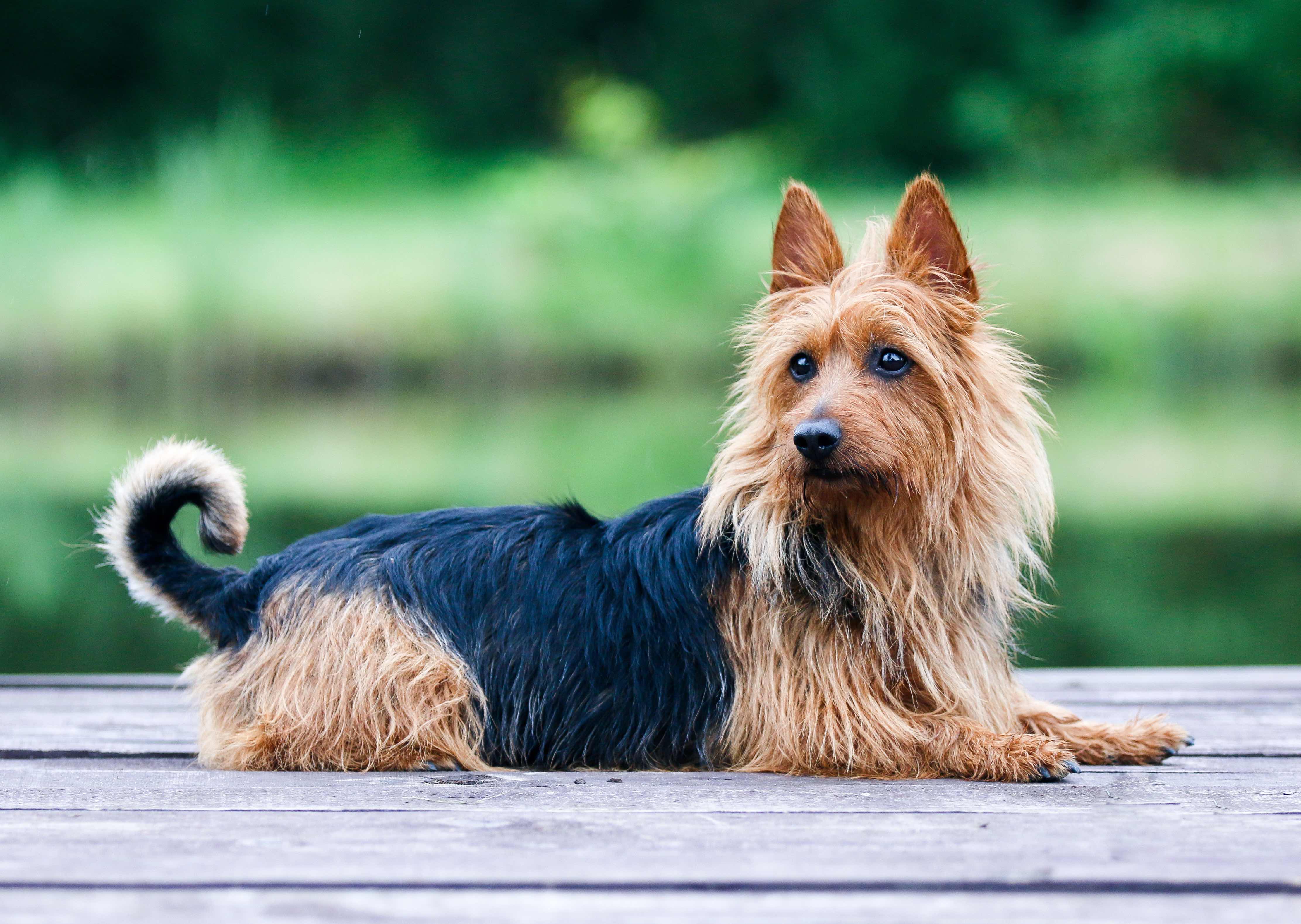
The Australian Terrier has a double coat that comes in blue and tan, solid sandy, and solid red. The coarse outer coat is 2–3 inches long, and grooming requirements are fairly minimal.
Skin Care
It’s not recommended to frequently bathe this breed, as their skin can become overly dry and flaky. A bath every few months or when the dog becomes especially dirty is all that’s needed. Talk to your veterinarian for the best bathing guidance.
Coat Care
An Australian Terrier’s coat doesn’t typically require the help of a professional groomer to maintain its shape and cleanliness. Instead, keep your pet’s coat clean and healthy with a weekly brushing to remove tangles or debris, and to prevent matting of the undercoat.
Eye Care
An Australian Terrier doesn’t require much in the way of specific eye care, but you should check your dog’s eyes regularly for unusual discharge or other changes. Any soft, fine hair on the face should be trimmed short around the eyes to prevent irritation.
Ear Care
Keep the hair on the ears trimmed short, and regularly inspect the ears while grooming to check for excessive wax buildup, odors, or signs of an ear infection. Occasionally clean the ears to remove wax and debris with a veterinary-recommended cleaner.
Considerations for Pet Parents
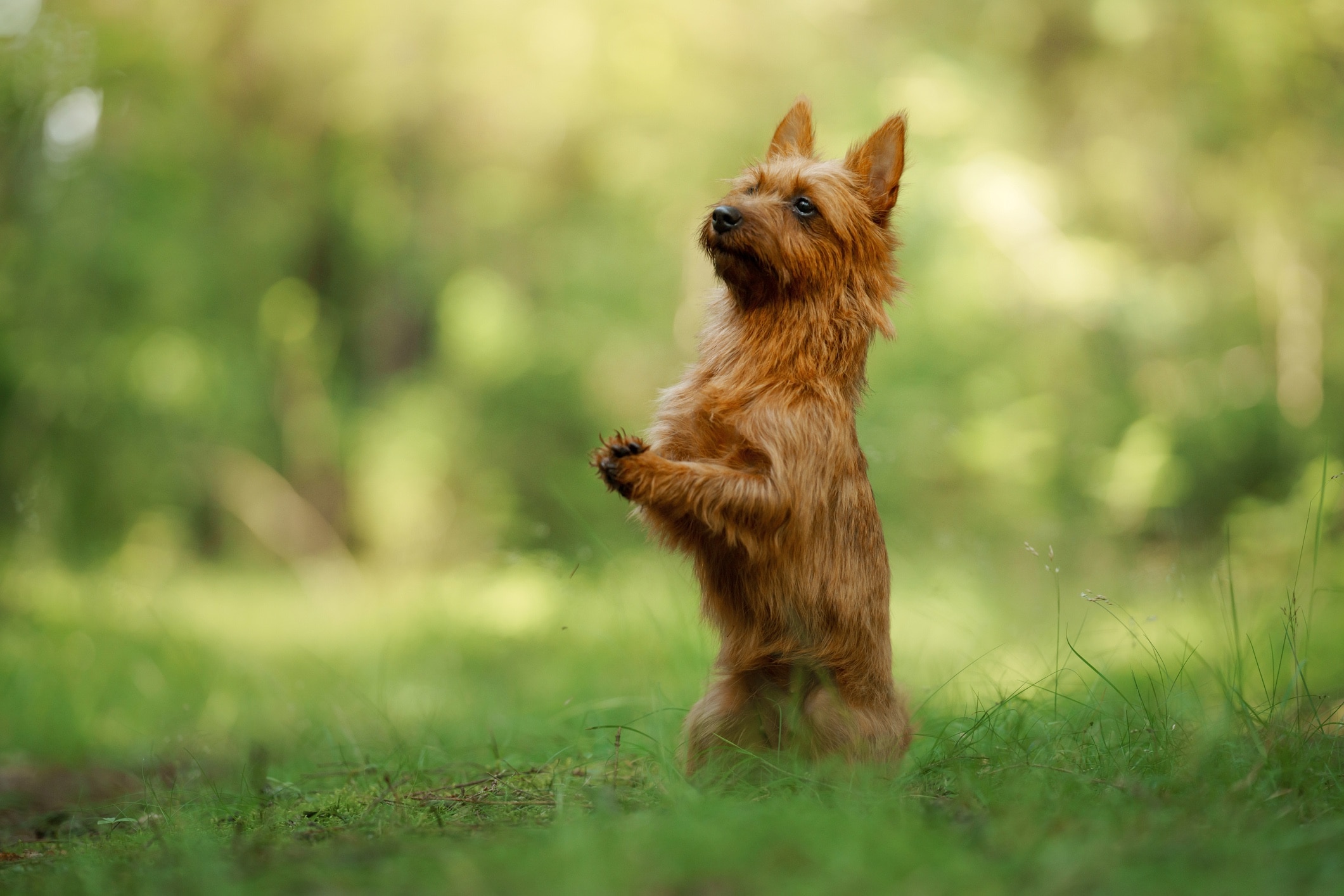
Australian Terriers are spirited dogs that have energy and affection to give. This means they require consistent exercise and mental engagement, plus close companionship with their humans. This breed does not do well with a solitary lifestyle, so they shouldn’t be left alone for extended periods of time. They are quick to bark at unfamiliar sights and noises, so be prepared for that before bringing home this alert terrier.
If you choose to bring home an Australian Terrier, don’t overlook the need to provide training and socialization to channel their zest and confidence. This breed is a great partner for canine competitions like agility and Earthdog courses. Grooming needs are minimal, and with the right care and nutrition, this breed will be hearty and healthy.
Australian Terrier FAQs
Are Australian Terriers good family dogs?
Australian Terriers can be an excellent choice as a family dog because they are active and interested in their human companions. This energetic breed can easily keep up with active children, but they can also adapt to a quieter household if they’re given sufficient exercise and mental stimulation.
Is an Australian Terrier a Yorkie?
No, an Australian Terrier is not a Yorkie, although the two breeds share similar characteristics—primarily because the Yorkshire Terrier contributed to the origin of the Australian Terrier.
Compared to the Yorkshire Terrier, the Australian Terrier is a slightly bigger dog. The Australian Terrier measures about 10 inches at the shoulder and weighs 15–20 pounds, while the Yorkshire Terrier typically only reaches a height of 7-8 inches and weighs about 7 pounds.
Are Australian Terriers high-maintenance?
Australian Terriers are not necessarily high-maintenance, but they do require more physical training and mental engagement than some other breeds because of their heritage as a versatile, hard-working farm dog. On the plus side, they have relatively simple grooming requirements and can adapt to apartment life if they receive sufficient exercise.