My Dog Ate a Vitamin D Pill. Now What?



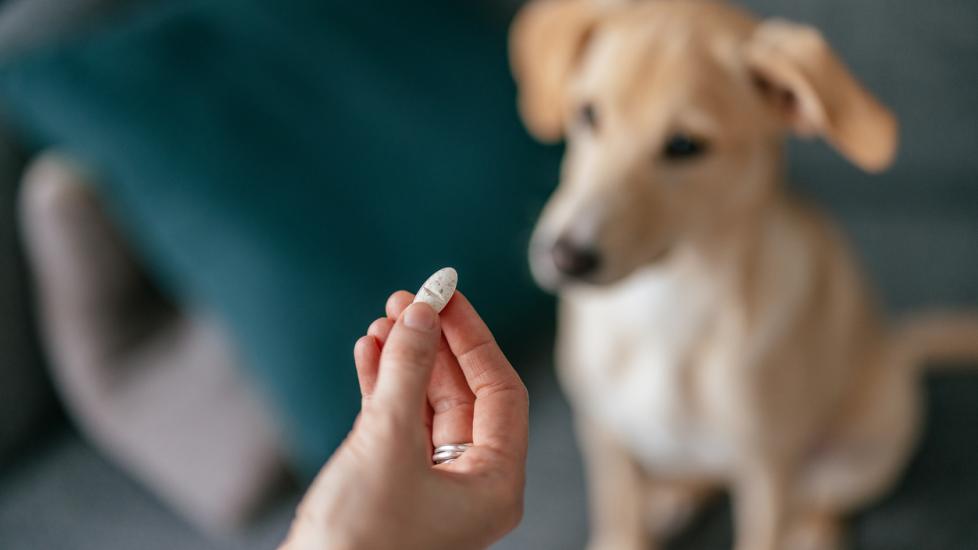
Dogs need vitamin D in their diets to support basic bodily functions.
Vitamin D helps their bodies maintain a good balance of calcium and phosphorus, build strong bones, and supports their immune system.
However, too much of this essential vitamin can be dangerous for dogs.
Vitamin D toxicity can result in long-term health problems, such as kidney failure, if not treated promptly by a veterinarian.
Key Takeaways
- Dogs need vitamin D in their diets to support basic bodily functions but too much can be dangerous for them.
- Vitamin D toxicity in dogs is common and easily preventable.
- If vitamin D toxicity is caught early, the prognosis for dogs is generally good.
What Is Vitamin D Toxicity in Dogs?
One of the main functions of vitamin D is to increase the absorption of calcium and phosphorus from a dog’s intestines, kidneys, and bones.
However, too much vitamin D can cause an imbalance of these minerals in a dog’s blood, which can lead to calcium depositing into several of their organs, including the heart and kidneys. This can cause these organs to malfunction or stop working.
Vitamin D toxicity in dogs is common and easily preventable.
An overdose of vitamin D is considered a medical emergency. If your dog ingests too much or is showing signs of poisoning, bring them to a veterinarian right away and call the pet poison helpline at 855-764-7661.
How Much Vitamin D Is Toxic to a Dog?
Even a small amount of vitamin D can be toxic or even lethal for dogs, depending on their size and underlying health conditions. For example, dogs with kidney disease have an increased risk of experiencing more concerning symptoms.
The amount of vitamin D that is considered toxic varies depending on the size of the dog. In general, 1 milligram (1,000 mcg) of vitamin D would be considered a toxic dose for a 22-pound dog and would require immediate care from their vet.
Dogs can get vitamin D poisoning from a variety of sources, such as over-the-counter oral supplements that pet parents may be taking. If they are not securely stored away, these can be accidentally ingested by dogs if they chew on or manage to gnaw open the bottles.
Psoriasis creams and ointments containing vitamin D may also be ingested by your dog, either directly from the tube or after licking a pet parent’s face or hands. A particular danger is rat or mouse bait that contains cholecalciferol, a type of vitamin D that can cause toxicity if ingested by dogs.
Since all of these products contain varying amounts of vitamin D, contact a vet or the pet poison helpline immediately if your dog ingests any amount. They can help to determine if the dose is toxic and give you guidance on next steps.
Symptoms of Vitamin D Poisoning in Dogs
Symptoms typically develop less than 24 hours after ingestion and will get worse if left untreated. Dogs with vitamin D poisoning may experience the following:
-
Diarrhea
-
Lethargy
-
Decreased appetite
-
Abdominal pain
-
Difficulty breathing
Symptoms typically develop less than 24 hours after ingestion and will get worse if left untreated.
What Should I Do If My Dog Ate Vitamin D Pills?
If your dog has eaten one or more vitamin D pills, call your vet or the pet poison helpline right away. If your dog is experiencing obvious symptoms of vitamin D poisoning, don’t induce vomiting at home. Instead, bring your dog to the veterinarian immediately for treatment.
Be as detailed as possible when explaining the amount, type of pill, and the dosage your dog ingested. Monitor your pup’s behavior and describe how long ago the ingestion took place.
Your vet may advise you to bring your dog into the hospital or to monitor symptoms at home, depending on how much vitamin D was consumed.
If your dog is experiencing obvious symptoms of vitamin D poisoning, don’t induce vomiting at home. Instead, bring your dog to the veterinarian immediately for treatment.
Treatment of Vitamin D Poisoning in Dogs
Once your dog arrives at the veterinary hospital, a vet will assess your pup to determine whether emergency care—such as oxygen therapy—should be started. If your dog is stable, a vet will perform a thorough exam and do bloodwork to diagnose the severity of your dog’s poisoning.
If it’s confirmed that your pup swallowed vitamin D pills, the vet may induce vomiting if the ingestion occurred less than four hours prior to the dog’s arrival at the hospital.
If your dog isn’t vomiting on their own, activated charcoal is given orally to decrease vitamin D absorption in the body. Activated charcoal should only be administered by a member of the veterinary team.
Dogs with moderate to severe vitamin D poisoning will need to be hospitalized.
Their treatment will depend on how severe your dog’s condition is, but it will generally include intravenous (IV) fluids and monitoring of their kidney function and calcium and phosphorus levels.
Treatment will continue until your dog’s bloodwork returns to normal.
Your dog may be given medications to help flush out any excess calcium and phosphorus. These medications may include diuretics, steroids, and phosphate binders.
Antacids may also be given to protect your dog’s stomach. Your pup will typically go home with a combination of these medications. Your vet will create the right treatment plan based on the severity of the toxin ingestion.
Prognosis of Vitamin D Toxicity in Dogs
If vitamin D toxicity is caught early, the prognosis for dogs is generally good.
However, if treatment is delayed, your dog may develop irreversible tissue damage and long-term health issues, such as kidney disease that must be managed for the rest of your pup’s life.
Some long-term complications can result in a shortened life span or sudden death. Because of this, quick treatment of vitamin D poisoning is essential for the best long-term outcome for your fur baby.
Prevention of Vitamin D Toxicity in Dogs
To prevent your dog from experiencing vitamin D poisoning, make sure to keep all your medications and supplements tightly secured and in sealed containers. They should be stored away and far out of reach of your animal companions.
If you are using psoriasis cream, don’t touch your pet until all of it has been fully absorbed into your skin. Don’t let your dog lick your hands or face.
Ensure all rat and mouse bait is stored out of reach. Securely block off and restrict areas where it’s being used.
Vitamin D toxicity is a serious concern in dogs. By following these steps, you can greatly reduce the risk of poisoning and provide a safe, comfortable environment for your pup.
Featured Image: iStock.com/miniseries