Dog Staph Infection: Signs, Causes, and Treatment


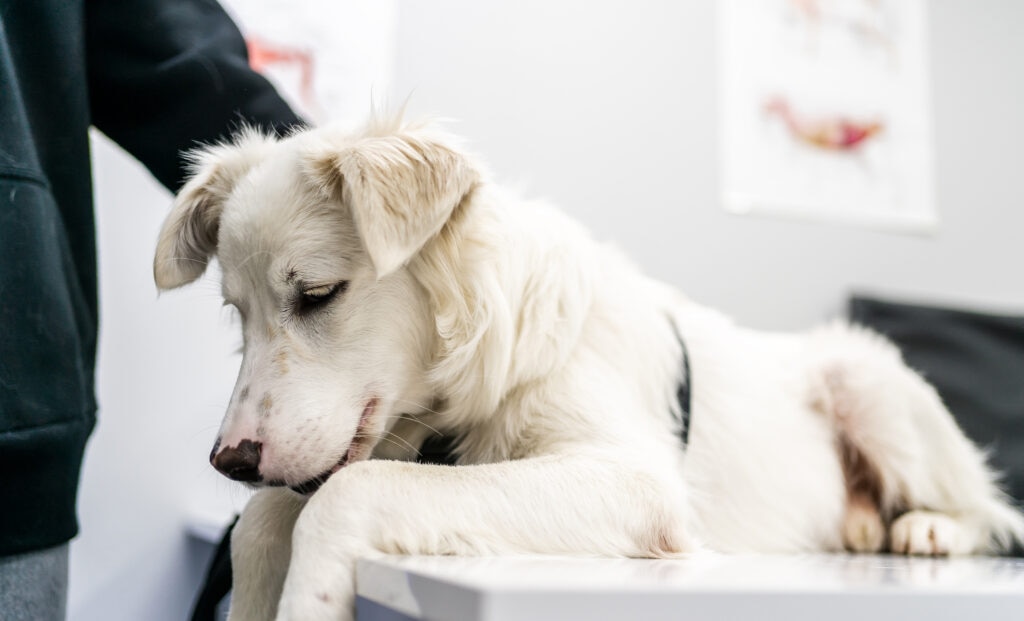
DedMityay/iStock/Getty Images Plus via Getty Images
A staph infection in dogs is a common skin infection caused by an overgrowth of Staphylococcus bacteria, usually when the skin is irritated or damaged. It can cause redness, itching, hair loss, crusting, or small red bumps, and severe cases may lead to fever or painful sores.
Most cases are treatable with medicated shampoos, topical therapy, or oral antibiotics, but managing underlying issues like allergies is key. If your dog is licking, scratching, or developing skin lesions, contact your veterinarian.
Key Takeaways
- Dog staph infections occur when Staphylococcus bacteria overgrow on damaged or irritated skin.
- Symptoms include redness, itching, hair loss, crusting, and in severe cases, fever or oozing wounds.
- Treatment may involve medicated shampoos, topical therapy, oral antibiotics, and managing underlying allergies or skin conditions.
What Are Staph Infections in Dogs?
Staph infections in dogs are infections caused by the overgrowth of Staphylococcus bacteria on the surface of a dog’s skin.
Small amounts of this type of bacteria are normally found on dogs.
However, when the skin barrier becomes damaged or the immune system is weakened, bacteria can overgrow, which leads to an infection. The skin becomes red and itchy because of inflammation as well as the infection.
It's rare for a healthy dog to develop a staph infection unless there’s a wound on their skin.
Puppies and adult dogs with chronic illnesses are more prone to staph infections because of their weakened immune systems. Also, dogs with pre-existing conditions that affect the skin barrier are very prone to getting staph infections.
This includes dogs with environmental allergies, food allergies, hypothyroidism, or ectoparasites (demodex or fleas).
Mild staph infections are not considered an emergency and often heal with minimal treatment.
However, severe staph infections can cover the entire body and invade tissue under the skin to create a deep, potentially life-threatening infection. Severe infections should be considered a medical emergency.
Speak with your vet if your pup is displaying symptoms of a staph infection.
Symptoms of Staph Infections in Dogs
Common symptoms of superficial (skin-level) staph infections in dogs include:
-
Small, red skin bumps
-
Redness of skin
-
Crusting of skin
-
Moist skin
Advanced staph infections in dogs can cause these additional symptoms:
-
Skin is sensitive to touch
-
Lethargy (sleepy or weak)
-
Oozing wounds
Health Tools
Get quick answers with our vet-created Symptom Checker
Causes of Staph Infections in Dogs
Any medical condition that causes scratching, chewing, or licking of the skin can lead to development of a staph infection in dogs, but there are other causes as well.
A staph infection, also referred to as pyoderma, typically appears as small, red bumps localized to certain areas of the skin. As the skin infection worsens, crusts and thin yellow discharge can appear and larger areas of skin become affected.
A few common causes include:
-
Environmental allergy
-
Food allergy
-
Demodectic mange (demodex)
-
Sarcoptic mange (scabies)
-
Urine scalding (direct contact with urine for a long period of time, causing the skin to become moist, leading to irritation and infection)
-
Open wound
-
Skin folds on a dog’s face or body
Any dog, no matter its age or breed, can develop a staph infection. However, certain breeds are at a higher risk.
Dog breeds with skin folds on their face or bodies are more vulnerable. These breeds include:
Additionally, the following breeds are more prone to environmental allergies:
-
French Bulldogs
-
English Bulldogs
Dogs with a compromised (weakened) immune system because of their age (less than 1 year old) or an underlying medical condition (cancer, immune-mediated disease) are also prone to staph infections.
How Veterinarians Diagnose Staph Infections in Dogs
To diagnose a staph infection in dogs, a veterinarian will want to thoroughly examine your dog. They will also ask about your pup’s history, such as whether they have any underlying medical conditions, if they have a history of allergies, and if they are up to date on parasite preventatives.
If the vet suspects a skin infection, they may perform the following tests:
-
Skin cytology: A vet takes a small piece of clear tape and gently presses it on the affected area of skin. This tape is added to a glass slide, stained, and viewed under the microscope to identify bacteria.
-
Skin scrape: A dull blade is used to gently scrape the skin. This sample is placed onto a drop of oil then viewed under a microscope to look for mites and their eggs, which can rule out mange.
-
Skin culture: A cotton swab is used to collect skin discharge and dry, flaky crusts from the affected area of skin. This sample is sent to a laboratory where the type of bacteria present can be identified for more targeted treatment.
-
Biopsy: If the skin is not responding to treatment or is chronic, a small piece of skin can be sent to a laboratory for an accurate diagnosis. Sedation is required for this procedure.
Treatment of Staph Infections in Dogs
The treatment of a staph infection in dogs depends on location, severity, symptoms, how well the pet parent follows the treatment plan, and the dog’s tolerance to the treatment prescribed.
Topical
Topical therapy is usually prescribed first for treatment of a staph infection. It may include:
-
Medicated antibacterial shampoo with 3-4% chlorhexidine, like TrizChlor 4 shampoo or Douxo S3 PYO shampoo.
-
Medicated antibacterial wipes like TrizChlor 4 wipes or Douxo S3 PYO wipes.
-
Antibacterial mousse such as Douxo S3 PYO mousse.
-
Antibiotic ointment, like Animax. However, ointment is often not recommended because it can rub off or be licked off.
-
Antibacterial spray, such as TrizChlor 4 spray or Gentamicin with Betamethasone Topical Spray (formerly called Gentaspray), which requires a prescription from your veterinarian.
It’s important to ask your vet which topical therapy is best for your dog.
Oral
Oral antibiotics such as cephalexin, cefpodoxime, or clindamycin are prescribed by a vet when a skin infection is not responding to topical therapy alone, the staph infection is severe, or the infection is in areas that would be difficult to treat with topical therapy.
A dog’s itchiness also needs to be addressed when treating a staph infection. The three most effective and safest anti-itch treatment options are:
Recovery and Management of Staph Infections in Dogs
When treating staph infections in dogs, it’s important to keep their coat and skin clean and dry. Avoid water activities, like swimming, as water will moisten your pup’s skin lesions. Your dog should also be kept mostly indoors in a clean environment.
Most dogs usually recover within two to three weeks. However, deep or extensive staph infections can take four to six weeks to clear.
Immunocompromised dogs—such as very young puppies or dogs with a chronic disease—can struggle with recovery. They may require long-term management to reduce symptoms and improve their quality of life.
Check your dog’s skin daily to be sure that the affected area is improving. If an antibiotic is prescribed, make sure not to miss any doses and don’t stop giving it to your pup without your vet’s strict instruction.
A dog’s itchiness must also be managed with Cytopoint, Apoquel, and/or a recovery cone to prevent licking, scratching, and chewing.
Consult with your vet on when to schedule a follow up appointment to have your dog’s skin looked at again after treatment.
Prevention of Staph Infections in Dogs
Staph infections in dogs are not 100% preventable. Staph naturally lives on a dog’s skin.
However, here are steps that can be taken to lower the risk of a staph infection. These steps include:
-
Schedule an appointment with your vet if your dog is itchy, has skin lesions, or has an open wound.
-
Bathe your dog when needed to keep the skin and coat clean. If your dog’s fur is prone to matting, brush the fur often or schedule professional grooming appointments regularly.
-
Keep your dog’s skin folds clean.
-
If your dog is overweight, consult with your vet to create a weight loss plan for your pup.
-
Having a hooded vulva can sometimes be managed with topical therapy, though it may require surgery.
-
If your dog has allergies, talk with your vet about how to best manage your pet’s allergy.
-
Prevent urine scalding. Have your veterinarian figure out the cause for the urine scalding and discuss prevention and treatment methods.
Staph Infection in Dogs FAQs
Is Staph in dogs contagious?
Staph is normally present on a dog’s skin, and a weakened immune system allows the bacteria to overgrow and cause infection. Staph infections are generally not contagious, but in rare cases it may be possible.
Can you treat dog Staph infections at home?
Because there are many underlying causes for staph infections, it is important to receive an accurate diagnosis by a veterinarian so that appropriate treatment can be started. Trying to treat staph infections at home is not recommended.
Can a dog licking you give you a Staph infection?
While rare, it is possible for a human to get a staph infection after contacting dog saliva. Always wash your hands after interacting with your dog to reduce the risk.
How long does Staph last in dogs?
Staph infections typically resolve in two to three weeks with appropriate treatment. However, chronic or severe infections can take six to eight weeks to resolve.
Is Staph infection in dogs painful?
Staph infections cause dogs to feel uncomfortable and sometimes, painful. Staph infections lead to itchy, inflamed skin that can progress to open sores, causing significant discomfort.


