Why Is My Dog Throwing Up Yellow? Is It an Emergency?


Istock/Amax Photo
Your dog throwing up yellow can mean a multitude of things, and some of them can be concerning.
What Is Yellow Bile in Dogs?
Typically, a dog’s yellow vomit is commonly bile.
Bile is produced in the liver and gallbladder. It breaks down fats and oils in the small intestine while helping your dog’s body absorb nutrients. Bile is very alkaline, so it helps neutralize acidic stomach contents, protecting the sensitive small intestinal lining.
But when bile leaks into the stomach, it reacts with stomach acid—and your dog might vomit.
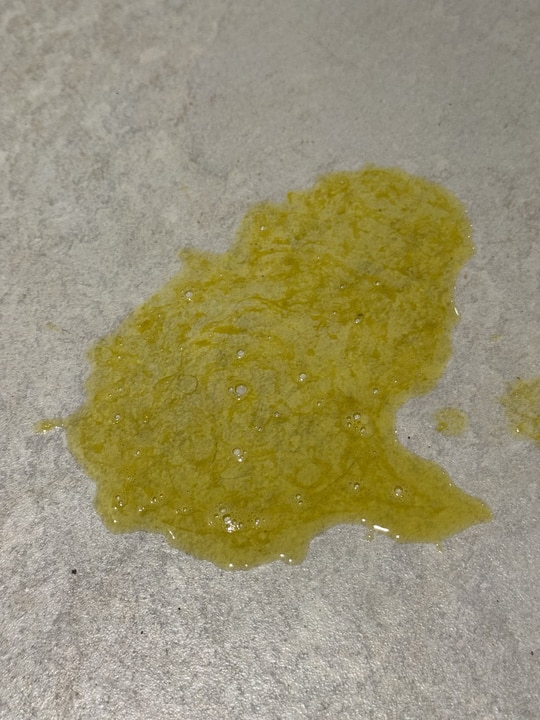
Bile is typically yellow or greenish, and it’s usually odorless. It can be full of mucus, bubbly, or foamy. Sometimes it’s seen in one pile or in a couple piles, typically in small amounts, or mixed with water.
Health Tools
Not sure whether to see a vet?
Why Is My Dog Throwing Up Yellow?
While a dog’s yellow barf is a common issue pet parents see in their pups, the exact cause can range from minor to more severe. Here are some of the underlying causes of bile vomiting in dogs.
1. Bilious Vomiting Syndrome
Bilious vomiting syndrome (BVS) is sometimes used to describe a condition where dogs vomit bile or froth—but not food—after not eating for a while. For most dogs, this happens early in the morning after not eating overnight.
Dogs with BVS may show obvious signs of nausea, especially first thing in the morning. Nausea in dogs often manifests as:
-
Lip-smacking
For some dogs, it’s thought that the overnight fasting period between dinner and breakfast can result in intestinal fluid flowing backward into their stomach. This can lead to irritation, nausea, and your dog vomiting yellow.
Although BVS is not typically life-threatening, talk to your veterinarian to rule out other causes of vomiting in your pet, as some can be serious. The vet can recommend testing and treatment that’s right for your dog.
If standard diagnostics such as a blood panel and physical exam are suggestive of BVS rather than something more serious, your veterinarian may recommend dietary changes or medications.
Feeding your dog a late-evening meal frequently relieves symptoms. It’s thought that food might defend against refluxed bile, or it may improve gastric motility.
An automatic dog feeder can help keep your dog on a strict meal schedule, and can dispense nightly meals at a set time.
If your dog continues to vomit after changing feedings, your vet may consider medical treatment. Antacids and/or medications that increase stomach motility are frequently used. A single evening administration of medicine is usually enough to prevent clinical symptoms.
2. Gastrointestinal Diseases
When a dog is throwing up yellow bile acutely (a sudden onset) or chronically (continuously over time), many problems could be affecting the digestive system, including:
-
Inflammatory diseases of the gut
-
Bacterial or viral infections
-
Parasite infestations
In each of these cases, the underlying condition needs to be diagnosed and treated by a veterinarian.
Because bile’s acidity can wear down the esophagus, it can lead to ulcerations if left unchecked. Breeds with sensitive stomachs that are predisposed to such problems include Bulldogs, toy breeds, Labrador Retrievers, and Poodles.
3. Pancreatitis
Endocrine disorders such as pancreatitis can occur after a dog ingests highly fatty or oily foods. But 90% of the time, the inciting cause of pancreatitis in dogs is idiopathic, meaning it cannot be determined.
This condition causes inflammation of the pancreas, and in turn can make your dog vomit yellow, along with other symptoms including intense abdominal pain and diarrhea. Pancreatitis usually occurs three to five days after a dog eats fatty foods, but it can occur as early as 24 hours after.
4. Addison’s Disease
Addison’s disease is another endocrine disorder—particularly a disorder of the adrenal glands—that is often characterized by vomiting. With adrenal glands that aren’t producing enough corticosteroids (stress hormones), dogs with Addison’s disease can be critically affected by the tiniest amount of stress.
5. Intestinal Blockages
Regular vomit can become yellow bile after a dog’s stomach has been emptied (though if your dog is vomiting, it’s ideal to address the problem before reaching this point). Along with vomiting bile, an extreme lack of energy and severe abdominal pain may indicate an intestinal blockage.
This is a medical emergency, and your dog should see a veterinarian right away. Surgery is the most common method for removing the obstruction causing the blockage.
6. Allergies
If your dog eats something they’re allergic to, vomiting may occur and bile may be present. Often, this happens when a dog switches their diet.
Common food allergies in dogs include:
In other cases, a dog may become allergic to something they’ve eaten regularly for years. Most pets develop food allergies between 1–5 years of age.
In this case, a strict 12-week diet trial may be needed to identify the offending protein. A veterinary nutritionist can also create a diet that removes the allergen without depriving your dog of the vitamins and nutrients needed to function at full strength.
What To Do if Your Dog Is Throwing up Yellow
If your dog is vomiting yellow bile, they should be closely monitored. If your dog vomits bile once and is otherwise doing well (eating normally and not showing any symptoms), it’s OK to continue monitoring them at home.
If they vomit more than once in 24 hours or if they’re showing other symptoms, see their veterinarian that same day to ensure nothing serious is going on. Likewise, if your dog is chronically vomiting bile (where they might just do it once in the morning, but it’s happening regularly over a period of time), a vet visit is needed.
How Do You Settle a Dog’s Stomach After Vomiting?
There are a few different remedies to soothe a dog’s upset stomach, including:
-
Fasting for 12–24 hours
-
Probiotics and prebiotics
-
Ice cubes
-
Canned or powdered pumpkin
Always consult your veterinarian before giving your dog anything to treat their upset stomach.
Dog Vomiting Yellow Bile FAQs
Should I be concerned if my dog is throwing up yellow bile?
When a dog is throwing up yellow, a number of conditions could be affecting the digestive system, including inflammatory disease, ulcers, parasite infestations, and certain cancers. In each of these cases, the underlying condition needs to be diagnosed and treated by a veterinarian to relieve the vomiting.
Can I give my dog water after vomiting yellow bile?
Water is OK to give your dog in small amounts within three or four hours after they vomit. If your dog doesn’t vomit again, you can give them water as usual.
Should I take my dog to the vet for throwing up yellow bile?
If your dog throws up bile only once, continue to monitor for more vomiting or any other symptoms, such as diarrhea or lethargy.
If your dog vomits twice in 24 hours, take them to the vet. You should also take your dog to the vet if they vomit yellow bile consistently, such as once a week or every few days.
Why is my puppy throwing up yellow?
When puppies vomit bile, it’s often from having an empty stomach overnight. Feeding a puppy an extra small meal before bedtime can help.
But a puppy vomiting bile can also be a sign of parasitic infections, intestinal obstructions, pancreatitis, or bacterial or viral diseases. And if your puppy is not up to date on their vaccines, vomiting bile can be a sign of parvovirus. Go to the vet if you have any concerns about your puppy’s health.


