Field Spaniel



Adobe Stock/Dyrefotografi.dk
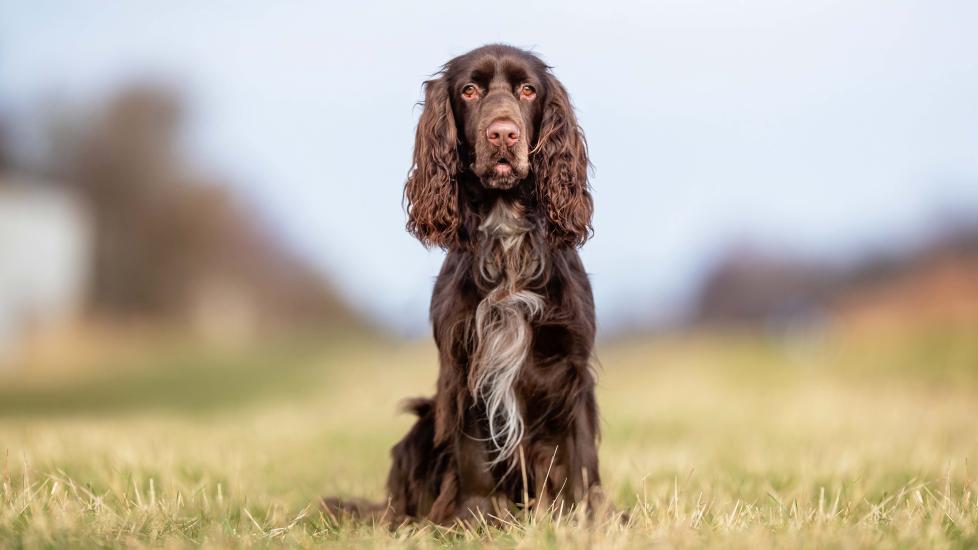
A Field Spaniel is a medium-sized dog that claims some of the earliest documented pedigrees in the U.S. In fact, the Field Spaniel Society of America (FSSA) points out that Field Spaniels were being registered and shown even before the American Kennel Club was founded in 1884.
Although the breed’s popularity has been eclipsed by more popular Spaniel dog breeds like Cocker Spaniels and English Springer Spaniels, the Field Spaniel is an active and affectionate companion that excels at dog sports and outdoor activities.
On average, Field Spaniels are 17–18 inches tall and weigh 35–50 pounds. They have a sturdy build and long, feathered ears.
Caring for a Field Spaniel
The Field Spaniel is a versatile sporting dog that has the energy for just about any adventure. At the same time, this breed is an easygoing and affectionate companion at home. Expect a Field Spaniel to stick close by your side; they love to be involved in whatever you’re doing.
“A Field Spaniel is a devout, loving, and oftentimes mischievous canine,” says Nicole Shaffer, member of the Field Spaniel Society of America and pet parent to three Field Spaniels.
Caring for a Field Spaniel requires a commitment to regular exercise, consistent training, proper routine veterinary care, and basic grooming. These dogs have moderate energy levels, so plan on about an hour of exercise each day: A long walk, jog, or playtime in a fenced backyard is enough for most dogs.
Field Spaniel Health Issues
Field Spaniels are generally a healthy dog breed with an average lifespan of 12–13 years. However, there are some health issues to be aware of.
Eye Problems
A few eye problems may be more common in Field Spaniels, including:
-
Progressive retinal atrophy (PRA): a genetic disorder that causes the eye’s retina to slowly lose function. PRA is incurable and leads to blindness in dogs.
-
Entropion: the eyelid grows inward, causing the eyelashes to rub against the eye’s surface, causing irritation and eye ulcers. Surgery is needed to treat entropion.
-
Ectropion: another eyelid abnormality in which the eyelid rolls away from the eye, causing sagging and hindering a dog’s ability to blink. This can lead to irritation and eye infections. As with entropion, treatment requires surgery.
Hypothyroidism
A low-functioning thyroid causes hypothyroidism, which sometimes develops in Field Spaniels. Signs of hypothyroidism in a Field Spaniel include a patchy coat, weight gain, and lethargy.
Dogs with hypothyroidism need lifelong daily medication to manage the condition, and can often live long and happy lives.
Epilepsy
Seizures in dogs can be caused by a variety of factors. But when recurring seizures occur with no underlying cause, a dog may be diagnosed with epilepsy.
While early-onset epilepsy is rare in Field Spaniels, some dogs develop the condition between 7–10 years of age. Although there is no cure for epilepsy, it can typically be managed with medications prescribed by your veterinarian.
Contact your vet immediately if your dog has a seizure.
Intervertebral Disc Disease
Intervertebral disc disease (IVDD) develops when a disc bulges or bursts and causes pressure on the spinal cord, resulting in nerve damage, pain, or paralysis.
It’s typically seen in dogs that are proportionally longer than they are tall, such as Dachshunds and Basset Hounds. But because Field Spaniels also have a long back in comparison to their overall height, IVDD is sometimes seen in the breed—although it is much less common than in other long-backed breeds.
IVDD can be treated with rest and medications, such as steroids and anti-inflammatories, or in more severe cases, surgery.
What To Feed a Field Spaniel
A Field Spaniel needs high-quality dog food that supports the breed’s overall health and active lifestyle.
When comparing dog food formulas, look for products that are appropriate to your dog’s life stage (puppy, adult, or senior) and meet the nutritional standards set by the Association of American Feed Control Officials (AAFCO).
How To Feed a Field Spaniel
In most cases, an adult Field Spaniel dog should be given two meals a day. It’s usually best to split your dog’s total food allotment for the day into morning and evening feeding times.
Field Spaniel puppies may need to eat more frequently. Talk to your vet about the best feeding schedule for your dog.
How Much Should You Feed a Field Spaniel?
It’s important to feed your dog the right amount to avoid obesity and other health issues. Use the suggested feeding guidelines for the dog food formula you choose. This is found on the food’s packaging.
Asking your veterinarian for feeding advice is also helpful. They can tailor their recommendations based on factors specific to your pet, like activity level, body condition, and age.
Nutritional Tips for Field Spaniels
Some Field Spaniels benefit from dog supplements added to their diet at a vet’s recommendation. That said, if your dog is eating an AAFCO-compliant food, they’ll rarely need supplementation.
Never give your dog a supplement without speaking to your vet first.
Behavior and Training Tips for Field Spaniels
Field Spaniel Personality and Temperament
While the personality of each Field Spaniel dog varies, this breed is known for having moderate energy levels. In general, Field Spaniels will readily take to outdoor activities like dog sports, hiking, or hunting, but they aren’t likely to be the fastest or most driven dog on the field. “They are an athletic breed, but in steady fashion,” Shaffer says.
These dogs are affectionate with family members of all ages but can be aloof with strangers. This is why socializing your Field Spaniel puppy early and consistently is so important.
“Field Spaniels can be shy if not properly socialized,” says Patricia Williams, president of the Field Spaniel Society of America. “But if you expose them to a multitude of different environments and do so gently, they will develop into a wonderful companion.”
As for other animals, the Field Spaniel usually gets along well with other dogs and cats. But caution should be used with smaller pets because of the breed’s moderate prey drive.
Field Spaniel Behavior
A Field Spaniel has a docile nature. These dogs aren’t prone to excessive barking, but they can be mischievous.
Field Spaniels may resort to silly antics to get your attention, like stealing socks or household objects to engage you. Especially when young, keep a close eye on them—and consider crate training your dog for times when you’re away from home.
Because Field Spaniels bond closely with their human companions, they can experience separation anxiety. Good training fundamentals that foster independence can help prevent separation anxiety and teach your dog to be confident even when alone.
Field Spaniel Training
Field Spaniels are smart dogs that are eager to please, but it’s important to take the right approach to motivate this breed.
“Field Spaniels are also very sensitive and will not respond to any kind of harsh treatment or training methods,” Williams says. “If you are rough with them, they will just shut down. Positive reinforcement is the best way to train your Field Spaniel.”
But don’t expect a Field Spaniel dog to go along with every idea you have. This breed is independent by nature, so in training activities, these dogs need motivation to cooperate. Shaffer emphasizes the importance of keeping training sessions short and fun, while avoiding too much repetition.
Fun Activities for Field Spaniels
-
Nose work
-
Hunting
-
Hiking
Field Spaniel Grooming Guide
Field Spaniels sport a water-repellent, medium-length single coat with feathering on the chest, underbody, legs, feet, and tail. This breed doesn’t require an extensive grooming routine, but you should be prepared for some shedding, and make sure to give regular attention to cleaning the dog’s ears.
Skin Care
The Field Spaniel doesn’t require special skin care, as their water-repellent coat protects the dog’s skin. A bath may be needed when the dog becomes especially dirty, but routine bathing isn’t typically required.
Contact your vet if you notice changes in your dog’s skin, including redness or flakiness.
Coat Care
In general, the Field Spaniel doesn’t have extensive grooming needs, but this can vary depending on your specific dog’s coat.
“Some dogs have profuse feathering and will need to be brushed and cut or groomed more often to prevent matting and keep the dog comfortable,” Shaffer says. If you’re not comfortable using a pair of scissors to trim the feathering around your dog’s belly, legs, or feet, then you may need to make occasional visits to a professional dog groomer.
To minimize shedding and encourage a healthy coat, plan to brush your dog weekly. Regular brushing is a good opportunity to bond with your dog.
Eye Care
No special eye care is required for a Field Spaniel, but be alert to changes in the appearance of the eye. Discharge or cloudiness could indicate an eye problem.
Contact your veterinarian right away if you notice changes to your dog’s eyes or signs of vision trouble.
Ear Care
It’s important to properly care for your Field Spaniel’s floppy ears.
“Due to their long, pendulous ears, clipping the top of their ear and routinely cleaning their ears will reduce the risk of ear infections,” Shaffer says.
Ask your vet how to clean your dog’s ears and what ear cleaning solution you should use. Look for signs of tenderness, redness, odor, or discharge, which might indicate an infection.
If you notice these symptoms or if your dog is excessively head-shaking or pawing at their ear, consult your veterinarian.
Considerations for Pet Parents
If you’re considering bringing home a Field Spaniel puppy, consider whether you can provide enough training, experience, and veterinary care throughout the dog’s lifetime. If you are well-prepared to care for a Field Spaniel, you’ll have many years of companionship to look forward to.
“As youngsters, they can be just as energetic as any young puppy,” Williams says. “But as they get a bit older, they will mellow out and are happy to do whatever you want to do, whether it is hiking, playing ball, or being a couch potato."
She adds that these dogs are suitable for first-time dog parents—as long as you’ve considered the breed’s care requirements and are committed to socialization and training.
Because Field Spaniels thrive on human companionship, these dogs aren’t suited for life in an outdoor setting, like a kennel. “They thrive in the house,” says Shaffer. “They don't mind chaos or busy households.”
With that in mind, Field Spaniel dogs are not the best choice if they’ll be left alone for long stretches of time on a regular basis. They prefer to be by their family’s side.
Field Spaniel FAQs
Is a Field Spaniel a good family dog?
Yes, the Field Spaniel can be a great choice as a family dog breed because they are easygoing, affectionate, and trainable.
What’s the difference between a Field Spaniel and a Cocker Spaniel?
Field Spaniels and Cocker Spaniels share many physical characteristics because the early history of both breeds is intertwined. That said, there are some differences between the dogs: Field Spaniels are taller, heavier, and have a longer back than Cocker Spaniels.
What’s the difference between a Springer Spaniel and a Field Spaniel?
An English Springer Spaniel is slightly bigger than a Field Spaniel. While both breeds love human attention and interaction, an English Springer Spaniel is often quick to please, while a Field Spaniel has a stronger tendency toward mischief or independence.
“Springers tend to be honest and earnest dogs,” Shaffer says. “They want to do the right thing and will do it your way if asked. Field Spaniels will do it their own way if your way is no fun or boring.”