Cardiac Arrhythmia in Cats



Tomwang112/iStock / Getty Images Plus via Getty Images
What Is Cardiac Arrhythmia in Cats?
To move blood through the body, the four chambers of the heart must expand and contract in a precise way. While the heartbeat can speed up or slow down depending on the needs of the body, it does so with a consistent rhythm controlled by electric signals that move in a very specific path through the heart muscles. When this path is interrupted or when signals are generated abnormally, it results in a cardiac arrhythmia.
Arrhythmias are relatively uncommon in cats. A recent study found arrhythmias in only 2.6% of cats. Most cardiac arrhythmias in cats indicate structural issues in the heart or systemic disease, though some irregular heartbeats can be found in normal heart function.
When arrhythmias are due to disease, the heart’s chambers can contract out of sync, and blood will not flow through the lungs and to the body properly. This leads to decreased oxygen in the tissues and can cause fluid buildup in the lungs, chest, and abdomen.
Cats are very good at hiding signs of disease, so even when arrhythmias are due to illness, symptoms are often hard to spot until the situation is severe. Arrhythmias can be life-threatening, depending on the type and cause.
If you notice symptoms of a cardiac arrhythmia in your cat, take them to the veterinarian immediately.
Types of Cardiac Arrhythmia in Cats
There are several alterations to the heart’s pattern that can cause cardiac arrhythmias in cats, including:
-
Sinus arrhythmia—A rate change with normal signal transmission that is not a concern for a cat’s health. No symptoms are typically shown, and heart function is normal. The heart rate changes to match the cat’s breathing pattern.
-
AV block—Occurs when the signal between the top of the heart and bottom of the heart gets interrupted. It usually sounds like a very slow heart rate (bradycardia). If the signal is only delayed (first-degree block), treatment is not needed. Severe heart block stops the signal entirely and can be life-threatening.
-
Premature beats—In these arrhythmias, the signal to contract starts in an abnormal place. These abnormal rhythms are described based on where the signal starts—either supraventricular premature contractions (SVPC) from the top of the heart or ventricular premature contractions (VPC) from the bottom of the heart.
Isolated SVPCs and VPCs are usually not of concern and can occur in normal patients, but if these signals occur quickly, they can lead to fast heart rates called supraventricular tachycardia or ventricular tachycardia. This doesn’t allow normal function of the heart.
Cats with these arrhythmias may show panting and collapse. If left untreated, these arrhythmias can be fatal.
Symptoms of Cardiac Arrhythmia in Cats
Symptoms of arrhythmias can be difficult for pet parents to see, and many cats will have no obvious clinical signs. Unfortunately, in some cases of arrhythmias such as ventricular tachycardia, no symptoms are seen until sudden death occurs.
Subtle changes that can be seen are a decreased appetite and your cat sleeping more. These signs may come and go if the arrhythmia is not constant.
You may also want to look out for symptoms of disease that can lead to arrhythmias. Weight loss, increased thirst, or vomiting should prompt an evaluation of your kitty for hyperthyroidism, kidney disease, and intestinal disease.
Symptoms of severe cardiac arrhythmias in cats include:
-
Syncope (fainting)
-
Open-mouth breathing
-
Abdominal distension
If you notice any of these symptoms, take your cat to an emergency veterinary hospital immediately.
Causes of Cardiac Arrhythmia in Cats
Most arrhythmias in cats are due to underlying structural heart disease. Cats may be born with abnormal heart development (congenital heart disease).
Hypertrophic cardiomyopathy (HCM) and dilated cardiomyopathy (DCM) are primarily genetic, progressive diseases that lead to extremely thick (in HCM) or thin (in DCM) heart muscles. Infection and trauma can also make enough change to the heart muscle to cause an arrhythmia.
High blood pressure, low red blood cell count (anemia), alterations in the nervous system, and certain electrolyte changes in the bloodstream can lead to arrhythmias even when the heart structure stays normal.
Hyperthyroidism, kidney disease, cancer, and certain toxins have all been linked to arrhythmias. If these conditions can be treated, the arrhythmias usually resolve.
Arrhythmias can occur in any cat of any age of any breed, but breeds like Ragdolls, Himalayans, and Siamese are more predisposed to structural heart disease and arrhythmias. A recent study found that abnormal heart rhythms are also more common in male cats and older cats.
How Veterinarians Diagnose Cardiac Arrhythmia in Cats
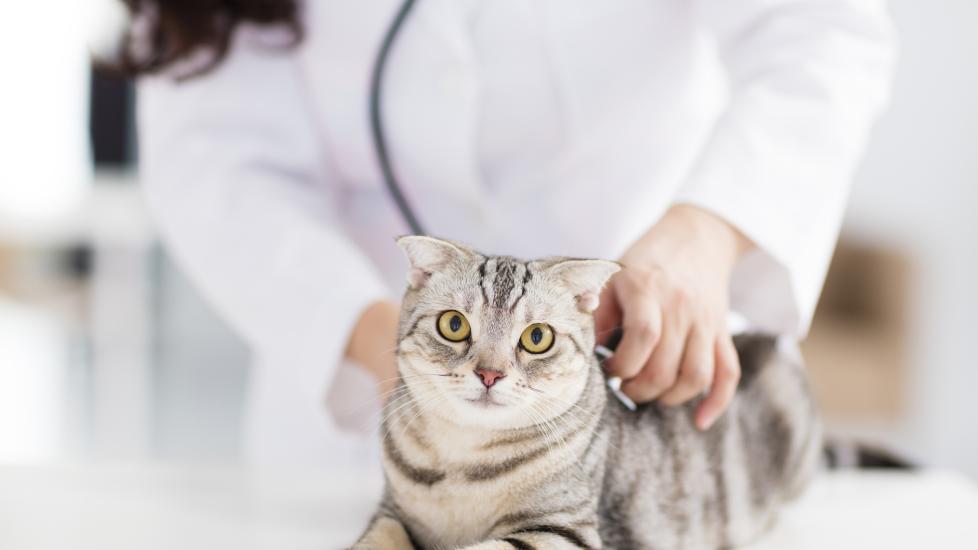
Typically, veterinarians diagnose cardiac arrhythmia in cats with a full physical exam. If your vet hears a heart murmur (abnormal heart sounds), further testing may be needed even if they don’t hear an abnormal rhythm.
To determine which arrhythmia your cat has, an electrocardiogram (ECG) will be performed. This maps out the electric signal that the heart muscle is sending. These electric signals are different for each type of arrhythmia.
In cases where an arrhythmia is intermittent, your vet may recommend a Holter monitor, a small vest that runs an ECG for 24 hours while your cat behaves normally at home. Usually this is enough to catch even the most minor arrhythmia.
Your vet will recommend blood work to evaluate kidney function, electrolyte levels, and thyroid levels, as these systemic issues may be causing the abnormal rhythm and can be treated directly.
To look for underlying heart disease, your vet may recommend a specific blood test called a proBNP, which detects elevated levels of the proBNP hormone when the heart muscle is stretched abnormally.
Chest X-rays may or may not show heart enlargement in cats with heart disease, but they should be performed to look for fluid buildup or enlarged vessels that may indicate heart failure.
An echocardiogram (ultrasound of the heart) with a veterinary cardiologist will give the best information about the structure and internal function of your cat’s heart. This is the best way to look for heart muscle abnormalities like HCM and DCM and determine how severe the heart disease is.
Treatment of Cardiac Arrhythmia in Cats
Treatment of arrhythmias is highly dependent on the underlying cause. While medications to alter heart rhythm and rate exist, they are rarely used in cats because underlying issues are so common. Arrhythmias caused by thyroid disease, kidney disease, or low red blood cell counts will need to have those conditions treated directly.
Arrhythmias due to structural heart disease like HCM or DCM may be managed with medications to improve heart function and slow heart rate. Unfortunately, cardiomyopathies are diseases that are managed, not cured, and heart function may worsen over time despite treatment.
Pacemakers may be placed for rare cases where the arrhythmia is only due to electrical misfiring, such as AV block. These implants directly control the electrical signal to a cat’s heart muscle. Pacemakers are not used in cats who already have structural changes and remodeling of the heart muscle.
Recovery and Management of Cardiac Arrhythmia in Cats
Recovery of cardiac arrhythmia in cats also depends on the underlying cause. Mild heart disease or systemic diseases like hyperthyroidism can usually be managed on an outpatient basis with oral medications. Severe kidney failure and heart failure may require hospitalization and intensive care.
Whether inpatient or outpatient, most arrhythmias require frequent monitoring with your veterinarian to avoid progression.
The goal with arrythmia management is for cats to live a normal life at home. Due to the increased risk of fainting, cats with arrhythmias should remain indoor-only and may benefit from having food and litter on the same level of your home so they don’t have to navigate stairs.
Prevention of Cardiac Arrhythmia in Cats
Unfortunately, there’s not much the pet parent can do to prevent cardiac arrhythmias in cats. But annual exams and routine blood work can help find arrhythmias and their causes before the disease becomes severe.
One form of dilated cardiomyopathy has been linked to low taurine levels in a cat’s diet. The majority of well-balanced commercial cat foods now have taurine added to avoid this issue.
Cardiac Arrhythmia in Cats FAQs
What do I do if my cat’s heart is beating fast?
If you notice an elevated heart rate in your cat, it’s important to look for other symptoms.
If your cat is breathing normally, eating well, and playful, it’s reasonable to call your vet for a non-emergency visit to discuss the high heart rate.
If your cat is visibly in pain, breathing very fast or panting, has recently collapsed, or is not eating their meals, an emergency vet visit is needed. There are no treatments to be performed at home in these situations.