Myxomatosis in Rabbits: What It Is, Symptoms, and Treatment


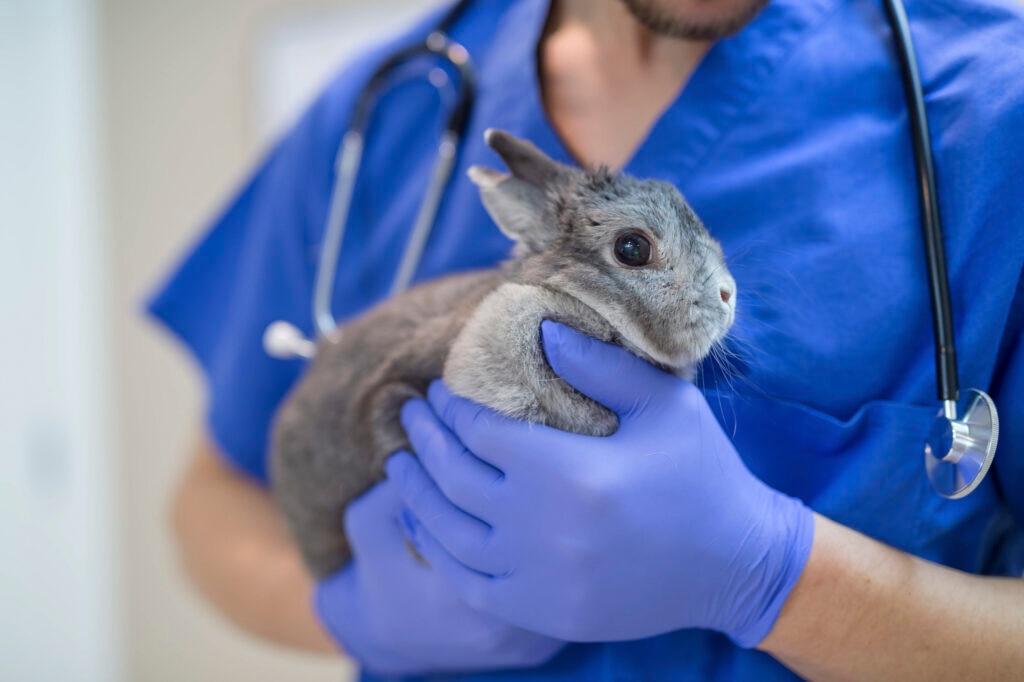
FatCamera/E+ via Getty Images
Myxomatosis in rabbits is a deadly disease that can affect both wild and domestic rabbits.
But what are the symptoms of myxomatosis, and can it be cured? Let’s look at everything you need to know.
Key Takeaways
- Myxomatosis is a deadly viral disease in rabbits with a high mortality rate and no effective treatment.
- Common signs include eye and ear swelling, discharge, skin lumps, fever, and breathing issues.
- Prevention is key—keep rabbits indoors, control insects, and avoid exposure to wild rabbits.
What Is Myxomatosis in Rabbits?
Myxomatosis in rabbits is a disease caused by the myxoma virus, a member of the poxvirus family, like chickenpox in people.
Myxomatosis is lethal to domestic and wild European rabbits and carries a 99% mortality rate.
It’s endemic (regularly occurring) in jungle rabbits in Central and South America and in wild bush rabbits in California. The myxoma virus in rabbits is also found in Australia and Europe but is a different, often less severe strain than in the Americas.
Myxomatosis in rabbits has been reported in Oregon, California, and Mexico, typically during June through October and January to February.
If you believe your rabbit has myxomatosis, contact your veterinarian so that your rabbit can be seen immediately and their case can be reported to the U.S. Department of Agriculture (USDA).
Myxomatosis is a reportable disease—meaning that it’s tracked by the government and vets are required by law to notify them if they suspect it.
Myxomatosis Symptoms
Early symptoms of myxomatosis in rabbits include:
-
Swelling and redness of eyelids and ear margins, and genitals
-
White eye and nasal discharge
-
Ear droop
-
Purple/blue spots on the skin
-
Skin nodules/lumps up to 1 cm in diameter, often on eyelids, face, nose, ears, and genitals, which can scab
Severe symptoms of myxomatosis in rabbits include:
-
Fever
-
Lethargy
-
Anorexia
-
Difficulty breathing
-
Skin hemorrhage
-
Seizures
-
Secondary bacterial infections
-
Pneumonia
-
Septicemia within 10–14 days of infection
-
Acute death in five to seven days of infection
What Causes Myxomatosis in Rabbits?
The myxoma virus is primarily transmitted through parasites, like fleas, mites, and ticks.
The virus can be transmitted indirectly if a rabbit encounters items an infected rabbit has touched, like food, bedding, and water bottles. However, this is less common.
This disease can also be transmitted directly from infected rabbits' eyes or nasal discharge to another rabbit.
Diagnosis of Myxomatosis
Diagnosis of myxomatosis in rabbits is usually based on clinical signs, history, and blood work. It’s then confirmed with testing done on tissue samples and blood to look for signs of infection.
On physical exam, rabbits often will have the above signs, swollen lymph nodes, and a fever of 106 F.
Treatment for Myxomatosis in Rabbits
Myxomatosis in rabbits can be aggressive and is often fatal, so most veterinarians will recommend humane euthanasia.
If you are concerned that your rabbit might have myxomatosis, separate them from other rabbits in your home and take them to your vet immediately.
There is currently no effective treatment other than supportive care.
If treatment is recommended, it’s essential to have your rabbit hospitalized in a veterinary hospital, so they can be monitored daily.
Typically, a vet will prescribe:
-
Fluid therapy, as subcutaneous or intravenous fluids to help your rabbit to maintain hydration.
-
Non-steroidal anti-inflammatories, like Metacam to help with pain and inflammation.
-
Antibiotics, to prevent any secondary bacterial infections.
-
Nutritional support, typically in the form of supplemental feedings or recovery formulas like Oxbow Critical Care Herbivore Apple-Banana Small-Pet Health Supplement
Recovery and Management of Myxomatosis in Rabbits
Rabbits infected with less severe strains can show mild signs and recover over three to five weeks, but many have a moth-eaten appearance around ears and face from lesions.
Myxomatosis in rabbits can lead to secondary bacterial infections, pneumonia, septicemia or blood poisoning.
It’s essential to follow your veterinarian’s care instructions closely and notify them of any changes in your rabbit.
How To Prevent Myxomatosis in Rabbits
If you live in an area where myxomatosis in rabbits is prevalent, keep your rabbit indoors.
If you allow your rabbit outside, it’s essential to use flea prevention like Revolution or Advantage, use mosquito nets and screens, and do not let your rabbit encounter wild rabbits.
If you encounter and touch wild rabbits, it’s important to shower and change into clean clothes and shoes before interacting with your rabbit.
Currently, a vaccine for the myxomatosis virus is unavailable for rabbits in the U.S. The vaccine is available in Europe and the UK but has not been approved by the USDA. It’s also unknown if this vaccine would be effective against the more severe California strain.
Wash hands and change clothes before and after interacting with an affected rabbit to prevent the spread to your other rabbits.
Follow your veterinarian’s instructions and quarantine any new rabbits you adopt before introducing them to your rabbit.
Myxomatosis in Rabbits FAQs
Can rabbits survive myxomatosis?
It’s very rare—but not impossible—for a rabbit to survive myxomatosis if diagnosed quickly and treated aggressively.
Can humans or other pets get myxomatosis?
Myxomatosis isn’t contagious to people or other household pets. The disease is limited to rabbits.
What should I do if I find a wild rabbit who looks like they have myxomatosis?
Don’t touch the rabbit if you suspect they have myxomatosis. Note the rabbit’s location and advise your veterinarian or local animal control officer.
They will then report the rabbit to the proper authorities, who will then take care of the sick rabbit and see that it’s properly diagnosed and treated.
References
-
Harcourt-Brown, Frances. Textbook of Rabbit Medicine. United Kingdom, Butterworth-Heinemann, 2002.
-
Quesenberry, Katherine, and James W. Carpenter. Ferrets, Rabbits, and Rodents-E-Book: Clinical Medicine and Surgery. Elsevier Health Sciences, 2020.
-
DeMello, Margo. Myxomatosis. House Rabbit Society. 2022.
-
Riley, Elizabeth. Myxomatosis in Rabbits. Veterinary Partner. 2020.
-
Joerg Mayer, DVM, DABVP (ECM), DECZM, DACZM. Viral Diseases of Rabbits. Merck Vet Manual. 2022.
-
World Organization of Animal Health. Myxomatosis. 2022.
-
Jörg Mayer, Donnelly TM. Clinical Veterinary Advisor. Birds and Exotic Pets. Elsevier/Saunders; 2013.


