Arabian Horse



Alexia Khruscheva/iStock / Getty Images Plus via Getty Images
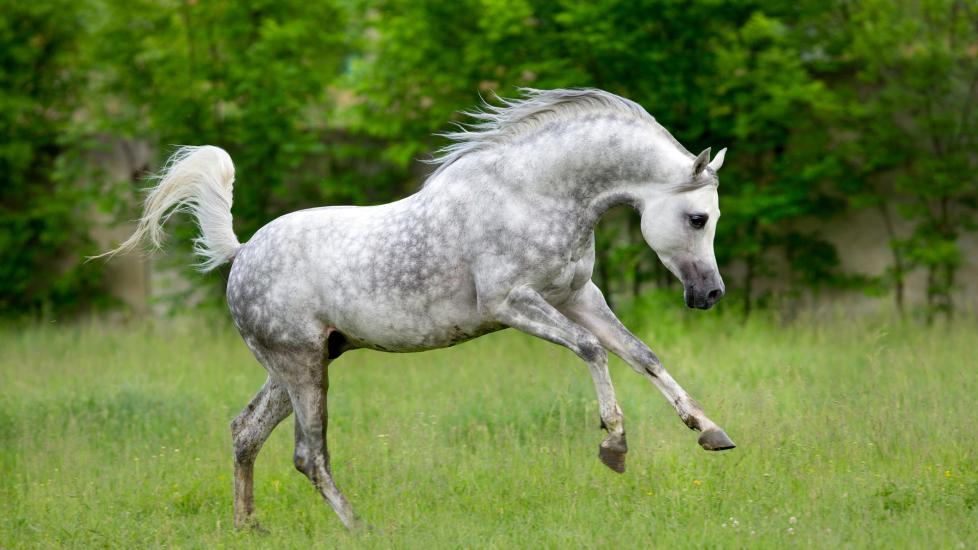
The Arabian is a light horse and one of the oldest equine breeds, dating back thousands of years. Originally from the Arabian Peninsula, these horses are now found throughout the world and have contributed to the development of many other breeds like the Morgan horse.
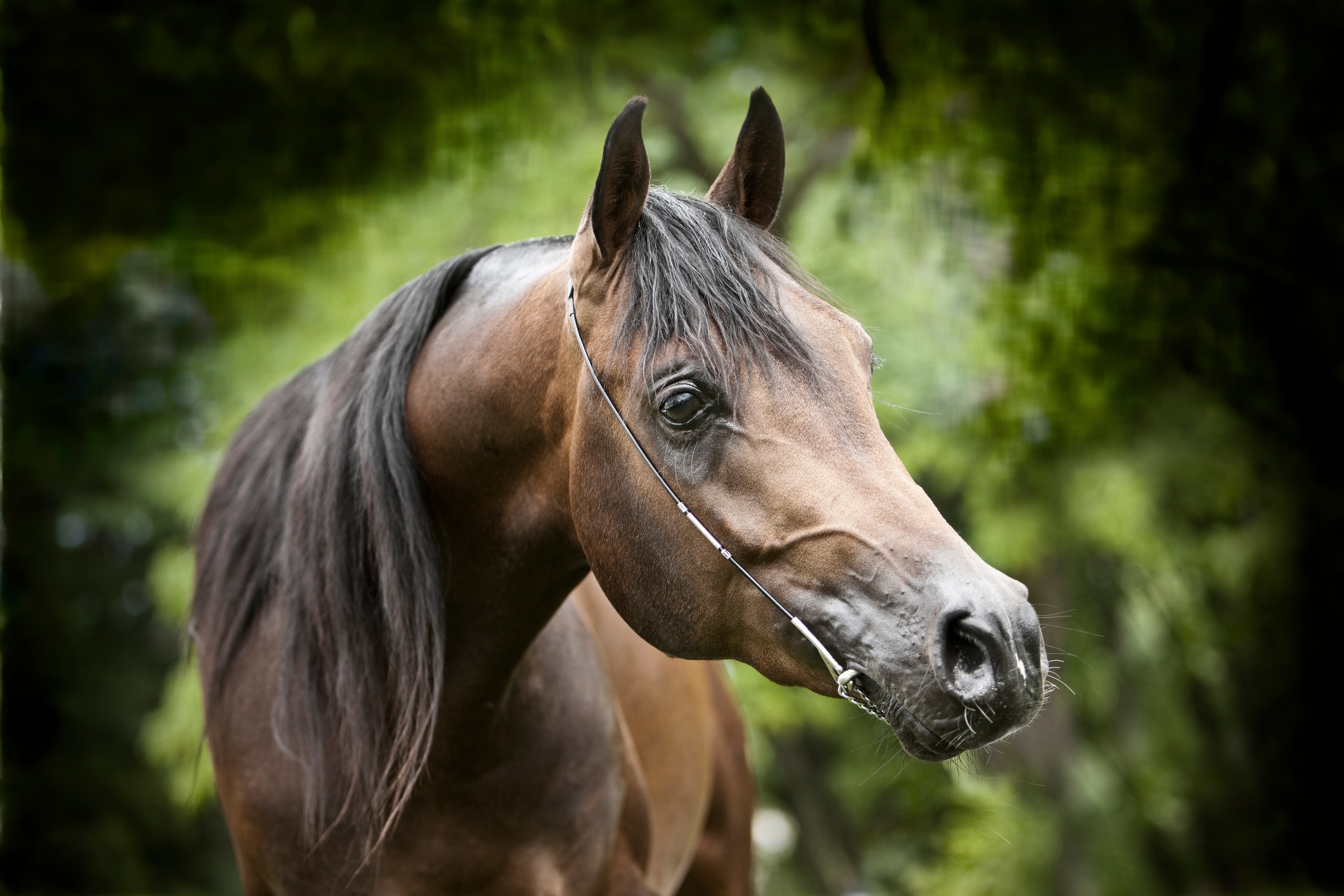
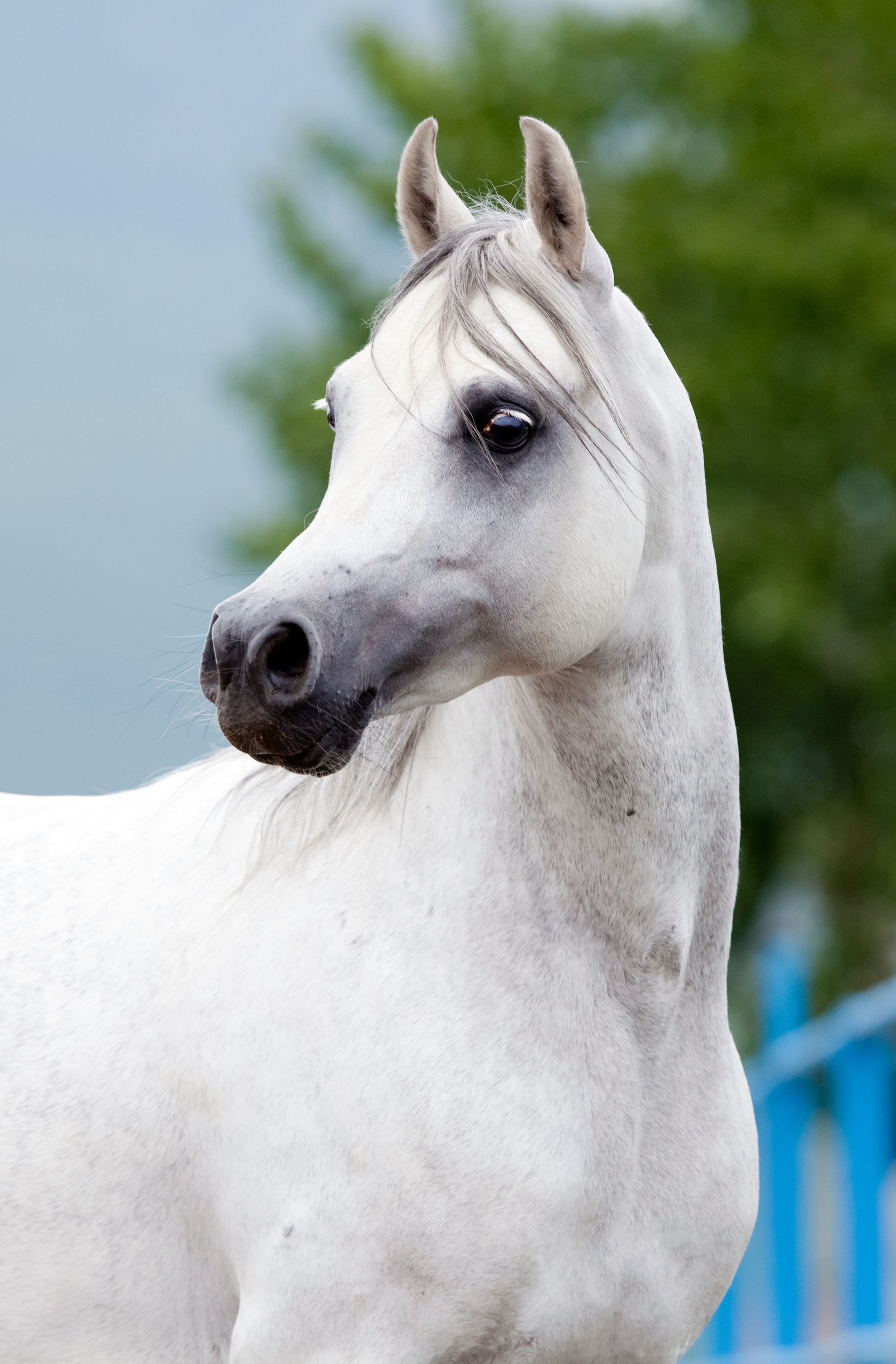
Arabians are compact with several distinct features, such as a dished (inward curving) face; high tail carriage; and long, arched neck. They also have a short back with 23 vertebrae instead of the usual 24.
But it’s the Arabian horse’s personality and talents that make them so beloved and popular.
Arabian Horse Snapshot
-
Height: 14.1–15.1 hands (56.4–60.4 inches)
-
Weight: 800–1,000 pounds
-
Lifespan: 25–30 years
-
Colors: Bay, black, chestnut, gray. White markings are possible. Dark skin except under white markings.
Caring for an Arabian Horse
With the right training, Arabian horses can make fantastic equine companions.
Because they may develop health problems related to diet and lack of activity, focus on providing the right diet and plenty of time to exercise.
Arabian horses are low-maintenance when it comes to grooming, and because of their intelligence and athleticism, they can excel in equestrian sports.
Arabian Horse Health Issues
The Arabian horse breed is generally strong and healthy. According to the Arabian Horse Association, many of these horses live well past 30 years.
This doesn’t mean that they aren’t susceptible to genetic health issues or the various ailments that can develop with age, so it’s important to be aware of the potential concerns and take steps to avoid them if possible.
Cerebellar Abiotrophy (CA)
Cerebellar abiotrophy (CA) is a neurological disease that affects the cerebellum, the part of the brain that controls balance and motor functions like posture and coordination. CA causes progressive destruction of neurons, and is a genetic condition caused by a mutation that can be detected with a DNA test. Checking Arabian purebred and crossbred horses before breeding them can help prevent it.
When a foal is born with CA, they usually seem healthy and normal. It can take months for the following symptoms to arise:
-
Lack of balance and falling
-
Wide-based stance
-
Head tremor
-
Easily started
-
Inability to rise from reclining
-
Exaggerated gait
There is no treatment for CA. Horses with this condition can be prone to injuries and aren’t safe to be ridden. If they aren’t kept as pasture pets, they are typically humanely euthanized.
Occipitoatlantoaxial Malformation (OAAM)
Occipitoatlantoaxial malformation (OAAM) is another neurological disorder that Arabian horses can inherit. It occurs when the occipital bone (base of the skull) and the first two vertebrae of the horse’s neck are malformed, resulting in damage to the spinal cord.
Symptoms of OAAM will be noticeable when a foal is born. They include:
-
Limb weakness
-
Lack of coordination
-
Neck twisting
-
Reluctance to move their neck
-
Inability to stand
-
Abnormal neck and head carriage and movement
-
Extended neck
-
Clicking sound with movement of neck and head
-
Paralysis
There is no treatment for OAAM, so horses are often humanely euthanized after diagnosis.
Genetic testing can help breeders determine the risk of this disease affecting foals.
Severe Combined Immunodeficiency Disorder (SCID)
Another genetic condition that can affect Arabians is severe combined immunodeficiency disorder (SCID). It causes foals to have extremely weak immune systems when they’re born, leaving them vulnerable to a variety of infections that their body can’t fight off.
Signs of SCID typically don’t become apparent until a foal is 2–3 months old, so they may seem normal when they’re born. This is because foals get their initial immunity from their mom through her colostrum (first milk). After this, the foal’s immunity starts to wane and they become more susceptible to infections.
Depending on the infection, symptoms may include:
-
Nasal discharge
There is no treatment for SCID. Foals are humanely euthanized, usually within the first six months, or they die from the disease.
Because this condition is caused by a genetic mutation, DNA testing can help breeders determine the risk of horses passing it on to their offspring.
Equine Metabolic Syndrome (EMS)
Arabian horses are prone to equine metabolic syndrome (EMS), which is a common condition seen in other equine breeds.
With EMS, the body is unable to process insulin properly, resulting in metabolism issues and an increased risk of laminitis.
There can be a genetic component to this syndrome, particularly in breeds like the Arabian that learned to survive in tough conditions with minimal food by using glucose more efficiently. When kept as companion animals, these horses may consume too much food and be too inactive.
Symptoms of EMS include:
-
High body condition score, greater than 6 out of 9
-
Gaining weight easily
-
Difficulty losing weight
-
Regional fat deposits in the tail head, ribs, and neck
Keeping your horse at a healthy weight with proper diet and exercise can help prevent EMS. Work with your veterinarian to treat EMS if your horse has been diagnosed with it. For example, you can reduce the horse’s calorie intake and their intake of non-structural carbohydrates (NSCs), as well as limit or remove access to pasture.
However, this is a lifelong condition and there is no cure.
Lavender Foal Syndrome (LFS)
Lavender foal syndrome (LFS), or coat color dilution lethal (CCDL), is a fatal genetic condition in the Arab horse breed. As the name implies, it affects foals at birth, causing neurological impairment and dysfunction.
Symptoms of LFS include:
-
Lavender, silver, or pale pink coat color
-
Inability to nurse
-
Seizures
-
Inability to stand
-
Inability to sit upright
-
Stiff, paddling movements of the legs
-
Involuntary eye movements
-
Hyperextension of neck, back, and limbs
There is no treatment or cure for LFS, so humane euthanasia is the only option.
Using DNA tests to look for a mutation in the MYO5A gene can help prevent this disease in purebred and crossbred Arabians.
What To Feed an Arabian Horse
The Arabian horse’s ancestors lived in the desert where food was scarce, so these horses are easy keepers who gain weight easily. Therefore, they need to be fed appropriately to maintain a healthy weight and avoid excess weight gain. Doing so will also help prevent health problems like EMS and laminitis.
Generally, you can feed your Arabian around 1.5% of their body weight in forage daily. For example, if your Arab horse weighs 900 pounds, they can be fed 13.5 pounds of forage every day. Ensure they always have access to clean water and salt.
Focus on providing the right diet and plenty of time to exercise.
Forage and pasture should be the majority of your horse’s diet. Depending on your horse’s age, lifestyle, and needs, they may also require a complete feed or horse grain to provide adequate nutrition for their energy needs.
Because Arabian horses can be prone to digestive problems like colic and enteroliths, your veterinarian might recommend limiting certain foods, such as alfalfa or grains that are high in sugar.
Adding a vitamin/mineral supplement can ensure all necessary nutrients are provided. If your horse has been diagnosed with a health problem, supplements might be needed to support them. Or, if your horse needs more energy, fat supplements like flax oil might be recommended.
Discuss your horse’s diet (including supplements) with a veterinarian, as your horse’s age, activity level, and overall health will play a role in how much they should eat and what’s best for them.
Arabian Horse Disciplines
Arabians are versatile, intelligent, and highly trainable horses with stamina and strength. They can perform well in a range of disciplines and are renowned racehorses.
Here are some of the many disciplines that Arabian horses can excel in:
-
Western and English pleasure
-
Reining
-
Driving
-
Racing
-
Dressage
-
Competitive trail
-
Cutting
-
Endurance
In addition to competing in equestrian sports and Arabian horse shows, they also make good family pets.
Arabian Horse Personality and Temperament
Every horse is an individual, but Arabians are generally known for being sociable, responsive, and loyal.
Their intelligence makes them easier to train, and they can learn things quickly. However, they can also be sensitive and nervous.
The Arabian is a hot-blooded horse breed, so this may not be the ideal choice for beginners or inexperienced owners and riders. With the right riders and families, though, these horses can make great companions who are active and athletic.
Arabian Horse Training
Some people might view the Arabian as a breed that is spooky or difficult to work with, but the truth is these very smart horses can be excellent companions to those who know how to work with them.
When training an Arabian, be calm, consistent, and gentle. Harsh methods could lead to this horse becoming uneasy and reactive.
If you are inexperienced in training or handling, hiring a professional trainer can ensure your horse will feel confident and calm and will follow your cues with ease.
Arabian Horse Grooming Guide
Brushing your Arabian horse will keep their coat smooth, clean, and healthy. It also massages the skin and promotes blood flow.
This breed’s grooming requirements are straightforward, so once you establish your routine you will likely find that every grooming session is rather simple and a good way to bond with your horse.
Coat Care
The goal of every grooming session is to not only remove dirt and debris from the coat, but to also get rid of dead hair that’s stuck in the coat. This is easily done with the right tools, resulting in a soft, shiny coat.
The Arabian’s coat is silky and fine, so gently brush your horse using a curry comb, dandy brush, face brush, and body finishing brush.
To remove excess hair, use a shedding blade; and to smooth delicate hairs, use a mane and tail brush.
Hoof Care
Every horse should have their hooves checked and cleaned daily.
Hooves can collect a lot of dirt and debris, so use a hoof pick to gently and carefully remove rocks and mud.
As you clean the hooves, look for signs of infection or injury and let your veterinarian know if you notice symptoms that need to be treated.
Working with a farrier will ensure your horse’s hooves are healthy, balanced, and strong. Make appointments to have their hooves trimmed and re-shod regularly, such as every six weeks.
Arabian Horse FAQs
How much does an Arabian horse cost?
Arabian horse prices will depend on several factors, such as age, training, bloodline, and show experience and awards.
They can be expensive, with average prices ranging from $5,000 to $30,000, and some might cost more than $100,000.
What are Arabian horses used for?
The Arabian is a talented equine breed, capable of competing, working, and being a riding companion. These horses participate in a variety of disciplines, from dressage to racing, and they perform well because of their speed, stamina, and agility.
How long do Arabian horses live?
Arabian horses have a long lifespan that averages around 25–30 years. Some even live longer than 30 years.