Why Do Dogs Eat Poop?


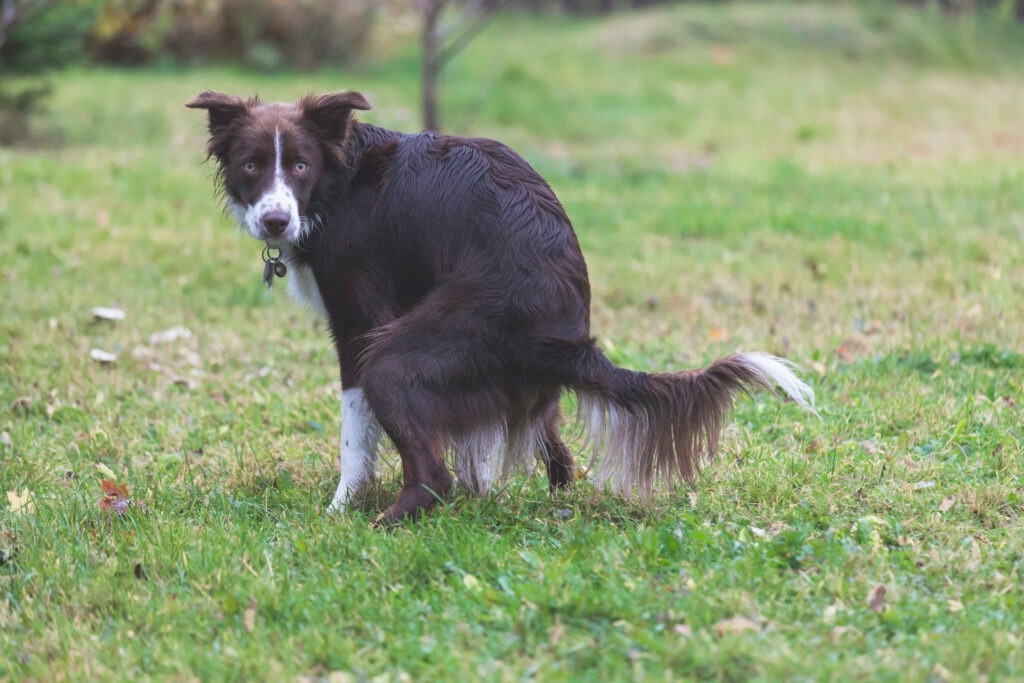
cpjanes/iStock / Getty Images Plus via Getty Images
Dogs eat poop (a behavior called coprophagia) for both normal and abnormal reasons, including instinct, curiosity, anxiety, medical problems, or learned attention-seeking behavior.
While it’s common—especially in puppies—it’s not a habit most pet parents want to encourage.
If you’ve ever caught your dog in the act, you’re not alone. Here’s why dogs eat poop and what you can do to stop it.
Key Takeaways
- There are normal and abnormal reasons why dogs eat poop.
- It's normal for dogs to eat the poop of other species, but it's abnormal for dogs to eat their own poop or other dogs' poop.
- Sudden poop-eating in adult dogs may signal a medical problem.
- To stop a dog from eating poop, use positive reinforcement and redirection.
Why Do Dogs Eat Poop?
Dogs eat poop for a variety of reasons. And while some are normal, others are signs of an underlying issue.
Normal reasons a dog might eat poop include …
-
Nursing
-
Instinct
-
Taste
… while abnormal reasons why dogs eat poop include:
-
Getting your attention
-
Not feeling well
-
Anxiety
-
To avoid being punished for an accident
Let’s dive into each of these reasons.
1. They’re Nursing
Nursing female dogs often eat the poop of their young to keep their den clean.
2. It’s Instinctual
According to a 2018 survey published in Veterinary Medicine and Science, dogs might eat poop as a behavior inherited from wolves. Wolves would typically eat fresh poop (less than two days old) to keep the den free of fecal-borne intestinal parasites.
3. It Tastes Good
Dogs sometimes eat the poop of another species. While the stool of other animals, such as horses or cats, contains nutrients that can be beneficial, it can also contain harmful bacteria—so it’s best to discourage your dog from eating it.
It’s normal for dogs to eat the poop of another species, but it’s uncommon for adult dogs to eat their own poop or another dog’s poop.
4. They Want To Get Your Attention
Some dogs may have started eating poop at a young age because they feel like it’s a game.
For example, when puppies are young, they may explore by grabbing their poop with their mouths. And as you run toward them, crying out some form of “drop it,” some puppies may get startled, drop the poop, and never touch it again, while others may interpret the yelling as an excited invitation to play.
As your dog becomes an adult, this is carried over as a learned behavior that gets them attention. And let’s face it: It’s really difficult not to pay attention to a dog that’s eating poop.
5. They’re Not Feeling Well
When you have a puppy or dog who eats other dogs’ poop or their own poop, have your pet examined by your veterinarian. Coprophagia can be associated with diseases of the intestinal tract and sometimes other parts of the body, such as the liver or brain.
If your adult dog has never been a poop eater and suddenly develops the habit in association with symptoms of disease, such as weight loss, lethargy, discomfort, behavioral changes, vomiting, or diarrhea, make an appointment with your veterinarian.
The vet will need to perform diagnostic tests to determine if your dog has an underlying medical problem, such, pica, intestinal parasites, nutritional deficiencies, or gastrointestinal disease.
Coprophagia can be associated with diseases of the intestinal tract and sometimes other parts of the body (such as the liver or brain).
6. They Have Anxiety
Other dogs eat poop as a displacement behavior when they’re anxious. If an anxious dog is confined, they may defecate and eat their own poop.
Possible sources of anxiety that can cause coprophagia include:
-
General anxiety
-
Worrying about being confined
-
You being away from them (separation anxiety)
-
Lack of enrichment activities when confined
7. They’re Scared of Being Punished for an Accident
Some dogs may learn to eat their poop as puppies if they’ve been repeatedly punished by their pet parents for defecating in the house.
When potty training a puppy or dog, never punish. Instead, rely on positive reinforcement.
How To Stop a Dog From Eating Poop
If your puppy or dog is eating poop, the best way to help them is to put systems in place that prevent them from practicing the habit.
Limit Their Access
For dogs who eat cat poop and for puppies who eat poop, you need to control and limit their access. The easiest way? Putting up a pet gate and quickly cleaning up the poop, respectively.
Here are some tips for keeping dogs away from poop:
- Put up a pet gate or door that allows the cat access to their litter box while keeping the dog out of that room.
- Place the litter box on a big table. This lets your cat jump up to get to the box while keeping it out of your dog’s reach.
As for puppies who eat poop, here are some tips for house-training your puppy:
-
Take them out on a consistent schedule.
-
Once your puppy has finished pooping, praise them and offer them a tasty treat.
-
While they’re eating the treat, quickly clean up the stool.
This way, you’re not allowing your puppy any access and are preventing the problem from occurring. You’re also positively reinforcing their potty training instead of punishing your dog for accidents.
Crate training your puppy can also help speed up the house-training process. Get a crate that's big enough for them to stand, lie down, and turn around in, but no bigger. Dogs naturally like to keep their sleeping area clean, but if you buy a crate that's too big, your puppy may eliminate in one area of the crate away from where they sleep.
Try a Coprophagic Supplement
If your dog is eating their own poop because it tastes good to them and they’ve developed the habit, try using a coprophagic supplement dog chew. Coprophagic supplements discourage dogs from eating poop by changing the poop’s taste.
Popular products include:
Probiotics can also be used to help stop your pet from eating their stool.
Probiotics can be helpful to alleviate upset stomach and keep the gut bacteria balanced. This could potentially reduce coprophagy if the dog is eating poop because of intestinal inflammation and malnutrition. However, probiotics, like Purina Pro Plan FortiFlora and Nutramax Proviable, do not discourage dogs from eating their poop by changing the taste.
These chews can be given in conjunction with your efforts to keep your dog away from their poop by distracting them with toys or using training tools, including:
-
Leash: Keep your pet on a leash when working on this behavior so you can quickly lead them away from the stool. Work on “leave it” cues if needed.
- Clicker: Clicker training can also be very useful when teaching your dog to stop eating poop.
- Treats: Be sure to have a treat pouch and keep lots of tasty rewards on hand.
- Poop bags: Immediately pick up and remove all stool from the yard to remove any temptation for your pet.
Reduce Their Anxiety
For confined dogs who eat their own poop, determine how to change some aspects of their confinement to help reduce their anxiety. Some dogs need a bigger space or quieter area, while others simply need more puzzle toys to keep them occupied.
For dogs who exhibit anxiety and cannot be left alone, consider daycare or, if possible, bringing your dog to work with you. These dogs can also benefit from seeking the help of a veterinary behaviorist or certified animal behaviorist.
Don't Punish Your Dog
If a dog has developed a habit of eating poop do not punish them, because this can lead to fear and distrust. It’s possible the dog was punished by previous pet parents; in this case, keep your focus on positive reinforcement (though you’ll still need to restrict access to the poop!).
Once the behavior has been established, it's crucial that you remain patient and consistently use positive reinforcement to encourage alternative behaviors for your dog to perform.
Redirect Their Attention
When you have an adult dog who has been eating poop for a long time, follow these tips:
-
Go out with your dog whenever they need to defecate.
-
As soon as they’re finished, call your dog over to you for treats.
-
Then, either guide them back inside the house or toss a toy for them to chase while you pick up their stool.
- If your dog immediately turns around to eat their poop and does not listen to you, keep your dog on a leash and lead them away as soon as they have pooped.
To truly discourage your dog from eating poop, you will need to continue to manage your dog and restrict access to the poop to prevent a recurrence. Some people are successful by teaching their dogs a “leave it” cue and then a “come” or automatic “sit,” using positive reinforcement.
The real key is to always offer plenty of praise and treats when your dog chooses not to immediately go for their poop. To help, you should find a high-value treat that they get only in these scenarios.
Why Do Dogs Eat Poop FAQs
Do dogs think poop tastes good?
We cannot ask dogs to confirm if they enjoy the taste of poop, but it is thought that they are attracted to feces because of the smell, taste, or texture. Some dogs will eat cat poop if given the opportunity, but not dog poop, which may suggest a taste preference.
Why do dogs eat their own poop and pee?
Dogs may consume their own poop because of behavioral issues like anxiety and boredom, or medical conditions like inflammatory bowel disease and a lack of digestive enzymes.
Dogs may drink their own urine because of urinary tract infections, diabetes, or lack of fresh drinking water.
Why do dogs eat another dog’s poop?
Underfeeding or feeding an unbalanced diet may cause a dog to eat another dog’s poop.
Parasites and medical conditions that reduce the absorption of nutrients from the intestines can also cause this. Medications like steroids can cause increased hunger and may lead to poop eating behavior in some dogs.
What dog breeds are prone to eating poop?
Terriers and scent hounds, like Beagles, are curious and attracted to interesting smells. If they follow their nose to poop, they may eat it out of curiosity, hunger, or boredom.
Labrador Retrievers are notorious for trying to eat non-food items, which can include toys, socks, and even poop.
And a 2018 study about canine coprophagy reported that Shetland Sheepdogs were most likely to eat poop, compared to other breeds in the study.


