Acral Lick Granulomas in Dogs


The following may contain Chewy links. PetMD is operated by Chewy.
What Are Acral Lick Granulomas in Dogs?
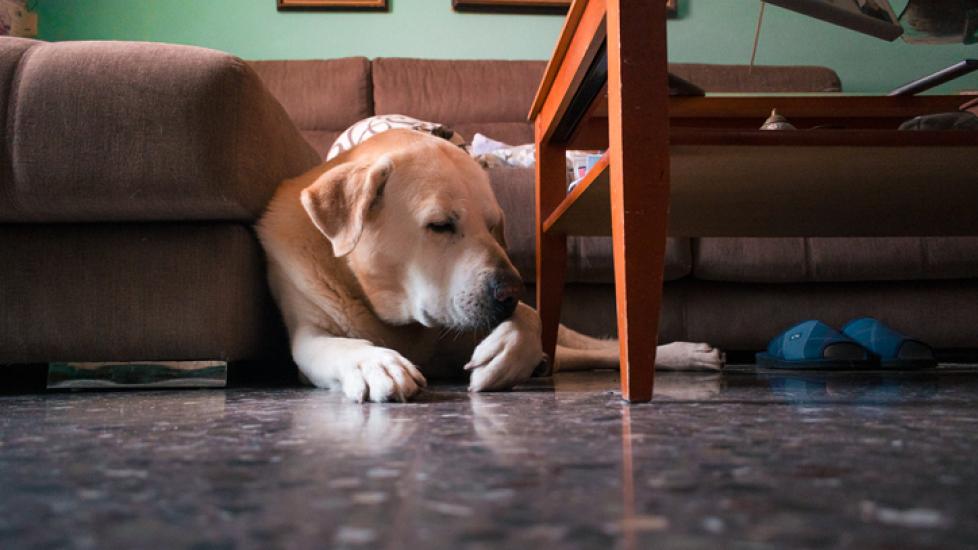
An acral lick granuloma in dogs, also known as a lick granuloma or acral lick dermatitis, is a skin lesion that is self-induced.
Frequently found on the legs, primarily the lower part of the limbs and feet, this skin condition is caused by a dog excessively licking the same spot. The most common area for a lick granuloma is on the wrist, or carpal joint, of the front limb. The second most common location is the hock, or ankle, of the back legs. Hair loss, redness, and thickened skin are all signs of the condition.
Once a dog starts to repetitively lick one area of the skin, a cycle of self-trauma, inflammation, and infection occurs.
Treatment for these skin lesions is often only somewhat effective in chronic conditions. The earlier the medical intervention, the better chance of successfully treating a lick granuloma in dogs. If you suspect your dog has a lick granuloma, it’s important to have it examined by your veterinarian as soon as possible.
Symptoms of Acral Lick Granulomas in Dog
Repetitive licking is the primary behavioral symptom, which results in the development of a well-defined, raised, firm, hairless, eroded to ulcerated skin lesion or skin nodule. These lesions are often red in color and wet, as saliva and serum leaking from the skin do not allow them to dry.
Lick granulomas are typically an oval patch of skin or skin lump found on the front surface of a leg. Occasionally, more than one leg may be affected. Lick granulomas often lead to secondary bacterial or fungal skin infections and ruptured hair follicles.
Causes of Acral Lick Granulomas in Dogs
Lick granulomas in dogs are caused by multiple factors. This condition is believed to be both physical and psychological in nature. Typically, lick granulomas occur because of boredom, fear, anxiety, or obsessive-compulsive disorder.
Underlying conditions that may trigger lick granulomas include:
-
Stress
-
Allergies
-
Skin infections
-
Trauma–injury
-
Pain
-
Behavioral abnormalities
All of these are often catalysts leading to a dog licking themselves constantly and causing skin lesions.
The most common cause for acral lick granulomas is allergy, either environmental or food sensitivity. This condition occurs mainly in medium- to large-breed dogs, most commonly affecting:
How Veterinarians Diagnose Acral Lick Granulomas in Dogs
If your dog has been licking excessively and has developed a skin lesion, that is often enough to diagnose a lick granuloma, as the location and appearance of the lesion is the guide to diagnosis. It’s important to let your vet know everything about your dog’s history, including:
-
Known allergies
-
Recent travel
-
New food or treats
-
New environment
-
Stress or trauma
A complete physical examination may help your vet determine the underlying cause of the skin lesion. They may also recommend an x-ray of the limb to check for any arthritis or other bone/joint condition that could be causing pain or discomfort.
Skin testing of the lesion itself, such as an acetate test, a skin culture, skin scraping, or a skin biopsy, might be ordered:
- An acetate test is when a clear piece of tape is used to adhere to the lesion, then removed. The tape is placed on a microscope slide and examined for the presence of bacteria or fungus.
- A skin culture is when a swab is used to wipe the surface of the skin lesion. The swab is then used to determine which, if any, antibiotics, or antifungal medications would be best to treat your dog’s lick granuloma.
- Skin scraping is used to diagnose a mite infection. However, in long-term cases of lick granulomas, the affected skin gets so thick that traditional diagnostics are not definitive. If this occurs, a skin biopsy is taken. This is when a piece of the skin is cut away and sent to the lab for analysis.
Treatment of Acral Lick Granulomas in Dogs
Treatment for a lick granuloma is largely based on the underlying cause. An Elizabethan or inflatable collar is extremely important to prevent further self-harm—both before you can see the vet and afterward, during treatment. Bandages should be placed only with the guidance of your veterinarian, because covering an infected wound traps in moisture, often prevents healing, and can make the condition worse.
If your vet suspects that your dog has a food allergy, a food trial will begin, placing your dog on a very limited ingredient diet. It is essential that during this time, all other foods be prohibited from your dog’s diet, including treats. Medications such as antibiotics, antifungals, anti-inflammatory and pain medications, anti-anxiety drugs, and/or antihistamines might be prescribed. Topical therapy with creams, wipes, or shampoos is often recommended to help with infection..
-
Common antibiotics for skin infections: Cephalexin, Convenia, Simplicef
-
Common allergy medications: Apoquel, Zyrtec, hydroxyzine
-
Antifungal: ketoconazole (oral and topical)
-
Anti-inflammatory: carprofen, prednisone, Temaril-P
-
Pain medication: tramadol, gabapentin
-
Anti-anxiety: alprazolam, fluoxetine, clomipramine
-
Topical antiseptic: chlorhexidine
Behavior modification training to assist with psychological concerns such as anxiety or stress may be recommended by your veterinarian if allergies are not the cause. Increasing the amount of exercise and play time your dog gets daily can help, so that they spend less time focused on licking. Your vet may also refer you to a pet behaviorist to help if these behaviors are extreme.
CO2 laser and cold laser therapies have been described to help in select dogs. Acupuncture around the affected area also has been helpful in some dogs. Douxo S3 wipes and mousses are great over-the-counter products to use at home, in addition to the collar. You can also bathe your dog with a medicated shampoo, or use a spray to help with itching. On average, treatment of the wound should take 7-14 days.
Recovery and Management of Acral Lick Granulomas in Dogs
For most dogs, the prognosis for a lick granuloma is guarded; it is rarely life-threatening but it can be very frustrating to both the dog and the pet parent. Determining the best treatment of a lick granuloma often requires trial and error, and several visits to the vet may be necessary to determine the ideal combination of treatments. Often, lick granulomas are managed long-term instead of looking for a full recovery or resolution. It is worth remembering that stressful changes in your dog’s life may lead to recurrence of the problem.
Your dog’s mouth is full of bacteria and other harmful pathogens, so it’s important to always keep a protective collar on your dog, especially when they are alone or at night, to prevent further licking and infecting the wound.
If left untreated, continued licking can also cause serious infection in the skin’s underlying muscles and bones. Dogs with a lick granuloma that get early treatment have a better prognosis for recovery than dogs with a chronic or severe condition.
Prevention of Acral Lick Granulomas in Dogs
For dogs that are predisposed to having lick granulomas for behavioral reasons, allowing them more time to actively play or walking them longer to tire them out helps to decrease the amount of time they can focus on licking.
All dogs should have an exam done by their veterinarian at least once a year, as this can help catch medical conditions early to prevent secondary licking behaviors. An exam should also be performed at the first sign of any illness or skin condition to help prevent this issue as well.
Most arthritis, behavioral, or allergy medications that are proven to help need to be used lifelong to prevent unwanted behaviors such as the repetitive licking that causes lick granulomas. If your veterinarian suspects that stress is causing your dog’s behavior, it’s important to evaluate your dog’s environment and remove stressors wherever possible. If your dog has arthritis, this condition may be managed by medications, gradual weight loss, soft bedding, massage, and diet.
Featured Image: iStock/Cristian Blázquez Martínez