Sebaceous Adenitis in Dogs



What Is Sebaceous Adenitis in Dogs?
Sebaceous adenitis (SA) is a disease that affects the oil glands of a dog’s skin. The sebaceous glands are spread out beneath a dog's skin and produce a substance called sebum. Sebum helps to keep a dog’s skin and coat moisturized, soft, and healthy.
Dogs affected by SA are missing this sebum and end up with hair coat changes, hair loss, scaling, and dandruff. They also often have secondary skin infections.
SA may look different depending on if the affected dog has long hair or short hair. Long haired dogs tend to lose hair symmetrically on either side of the body, have dry, brittle hair coats, and have hair that mats and clumps together with scales. Conversely, short-haired dogs often have small flaky dandruff all over their body, starting at their head, with patchy hair loss.
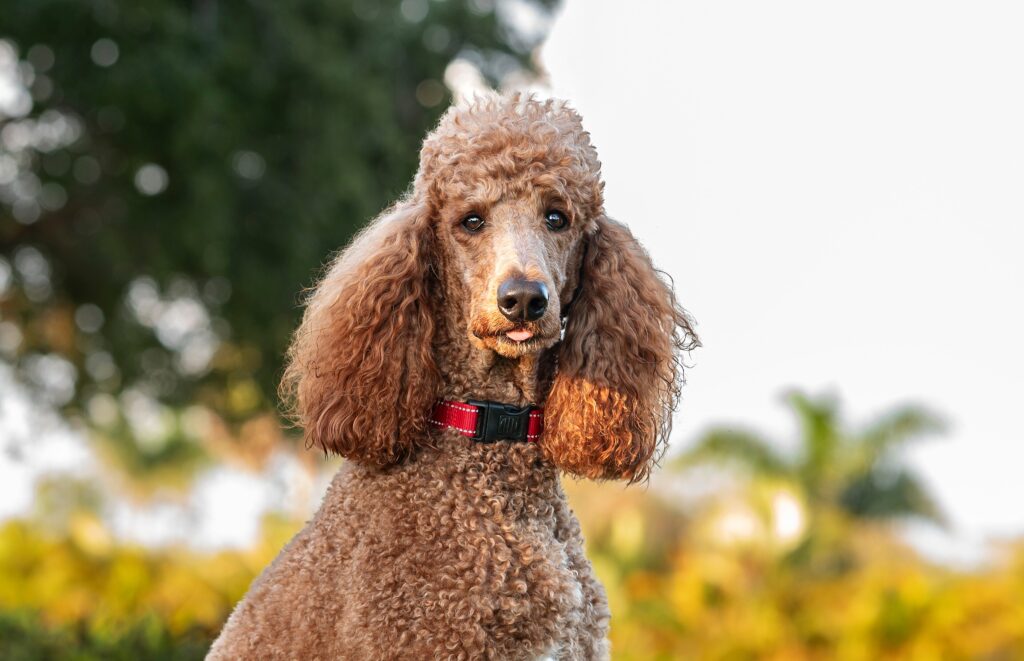
Fortunately, SA is not a very common disease for most dogs. However, it’s more common in certain breeds like Standard Poodles and Akitas, who can inherit the condition.
Sebaceous adenitis is not considered a medical emergency and can be addressed with your regular veterinarian during office hours.
Symptoms of Sebaceous Adenitis in Dogs
Symptoms of sebaceous adenitis in dogs include:
-
Dry, brittle hair coat
-
Scaly skin
-
Dandruff
-
Hair loss
-
Itching (40% of patients)
-
Thickened, scarred skin
-
Reddish tint to hair coat
-
Tufts of matted hair
-
Moth-eaten appearance to hair coat
-
Secondary bacterial skin infections
-
Greasy skin
-
Pigmented, dark discoloration to skin
Causes of Sebaceous Adenitis in Dogs
While we don’t know the exact cause of sebaceous adenitis, it is believed to be immune-mediated, meaning that the dog’s own immune system is attacking the sebaceous glands in their skin.
This immune-mediated condition is genetic. SA is inherited from affected parents by a recessive gene in Standard Poodles and Akitas. Other breeds that have shown a higher risk of developing SA include Chow Chows, Samoyeds, Havanese, and Vizslas, but any dog can get sebaceous adenitis.
The Orthopedic Foundation for Animals (OFA) has a national registry of purebred dogs affected with sebaceous adenitis. This helps to track the genetic lines associated with the trait to improve the breed over time. If your dog is diagnosed with SA, it is recommended that you register them with this organization.
How Veterinarians Diagnose Sebaceous Adenitis in Dogs
Sebaceous adenitis is diagnosed with results of a skin biopsy, obtained surgically with your dog under anesthesia. If this test is recommended, withhold food and water beginning the midnight before your pet goes in for their biopsy.
Prior to a skin biopsy, your veterinarian will likely recommend several other tests to rule out more common conditions that present similarly to SA. They will likely start with a physical exam followed by skin scrapes. They may pluck hairs from your dog to look under the microscope or do fungal or bacterial skin cultures to rule out secondary skin infections. Bloodwork may be recommended to rule out underlying hypothyroidism.
Be sure to let your vet know if your dog is itchy. Secondary skin infections with yeast and bacteria often occur in these patients. Patients with concurrent allergies may require additional medications to get their skin under control.
If your dog has been treated in the past by another vet for skin issues, let your vet know which meds they’ve tried and how much they helped—or didn’t help.
Treatment of Sebaceous Adenitis in Dogs
SA is not curable, but it can be managed with lifelong therapy. It's treated by a combination of topical products, oral supplements, and medications.
What works for one dog may not work for another. Be open and communicate with your vet to let them know what is working or not working for your dog.
Topical
Topical products are a common place to start with managing sebaceous adenitis. Your vet may prescribe a medicated shampoo containing sulfur and/or salicylic acid, like Virbac Keratolux®. Sometimes dilute propylene glycol daily sprays or weekly baby oil soaks are recommended.
Medications and Supplements
Oral supplementation with omega fatty acids, vitamin A, and niacinamide (a form of vitamin B) may be recommended.
Oral medications may be prescribed in more serious cases. Dogs with secondary bacterial or yeast skin infections may be prescribed antibiotics or antifungal medications.
The antibiotic doxycycline may help the immune system respond to this disease. However, antibiotic resistance can become an issue with chronic use.
Dogs with severe SA may be put on cyclosporine products such as Atopica® to help regulate the immune system's attack on the sebaceous glands.
Some dogs on this medication may even experience regeneration of some of their sebaceous glands. Sometimes steroids or retinoids are prescribed, requiring more frequent follow-up visits to gauge response and monitor other systems during treatment.
Recovery and Management of Sebaceous Adenitis in Dogs
If your dog is on long-term prescription medications for SA, they will likely need to be seen by their vet regularly for rechecks. Dogs on isotretinoin should initially have their liver values checked every two weeks. Schirmer Tear Tests should also be done to ensure they are still making tears normally, as this medication can impact tear-making inability.
Dogs on long-term steroids or cyclosporine should also have regular bloodwork to ensure their liver and kidneys are metabolizing the drugs without any issues.
Routine bathing with medicated shampoo or baby oil is a part of maintenance for many of these dogs for the rest of their life.
In mild cases, consider topical long-acting topical omega fatty acid products like Dermoscent® Essential 6 Spot-On if you struggle to give your dog daily oral omega fatty acid capsules.
Prevention of Sebaceous Adenitis in Dogs
Unfortunately, SA is not preventable. Since it’s an inherited disease, the only way to prevent the condition is to avoid breeding affected dogs. Because this condition is recessive, it may skip a generation and be missed in breeding animals.
Sebaceous Adenitis in Dogs FAQs
Is sebaceous adenitis painful for dogs?
SA is generally not painful in dogs; it is more of a cosmetic condition. Dogs with severe skin infections secondary to SA may become lethargic or itchy.
Can dogs die from sebaceous adenitis?
SA is not considered to be a terminal condition.
Can you naturally treat sebaceous adenitis in dogs?
Mild cases of SA can be managed with omega fatty acid oral supplements, keratolytic shampoos, and emollient rinses.
Featured Image: Alessandra Sawick/iStock / Getty Images Plus via Getty Images
References
Brooks, W. Sebaceous Adenitis in Dogs. VIN. Revised 2023.
Pye, C. Canine Sebaceous Adenitis. National Library of Medicine. Canadian Veterinary Journal. 62(3): 293–296. March 2021.
Seltzer, J. Glands sakes! Diagnosing and treating sebaceous adenitis in dogs. DVM360. 2018.


